Bing and Grondahl
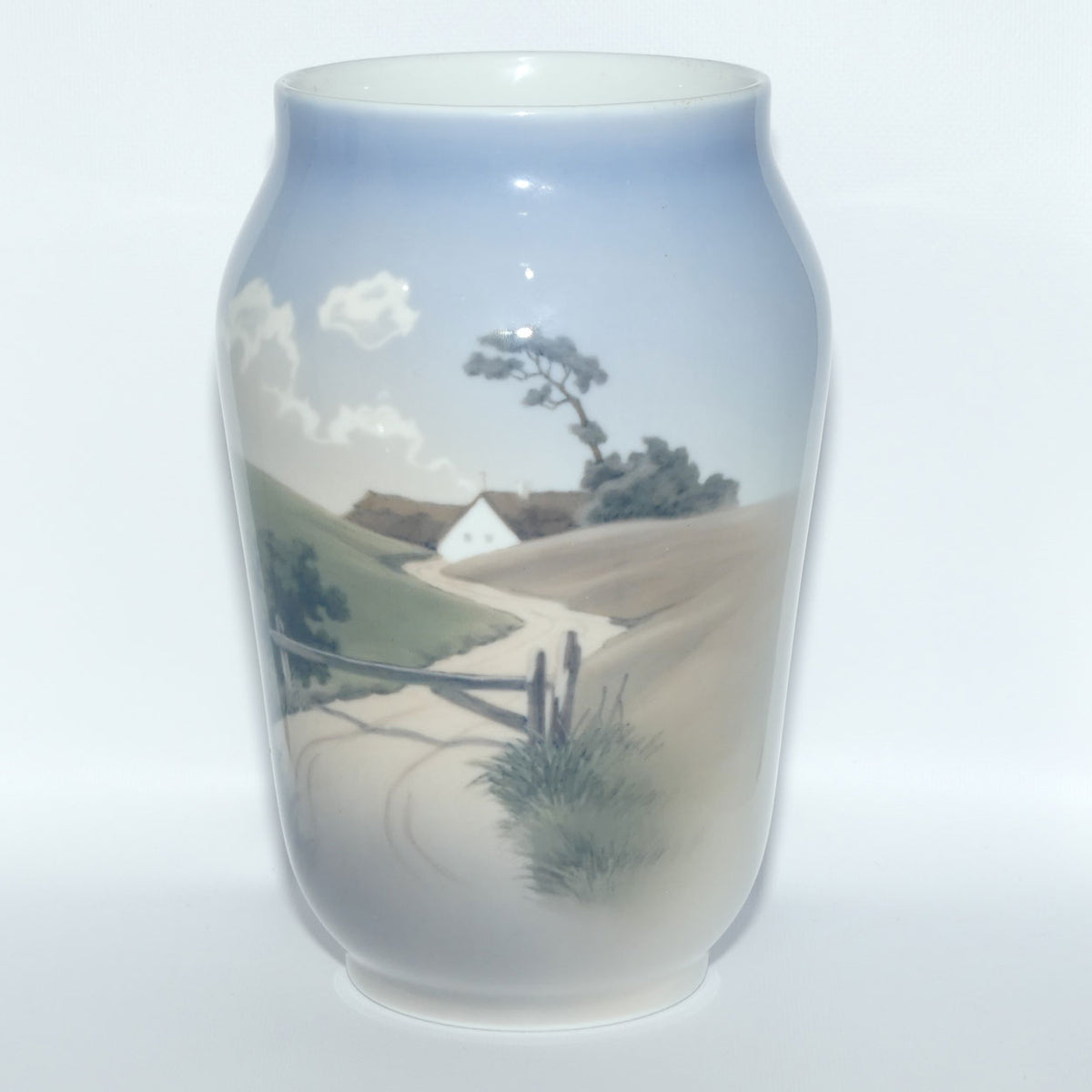
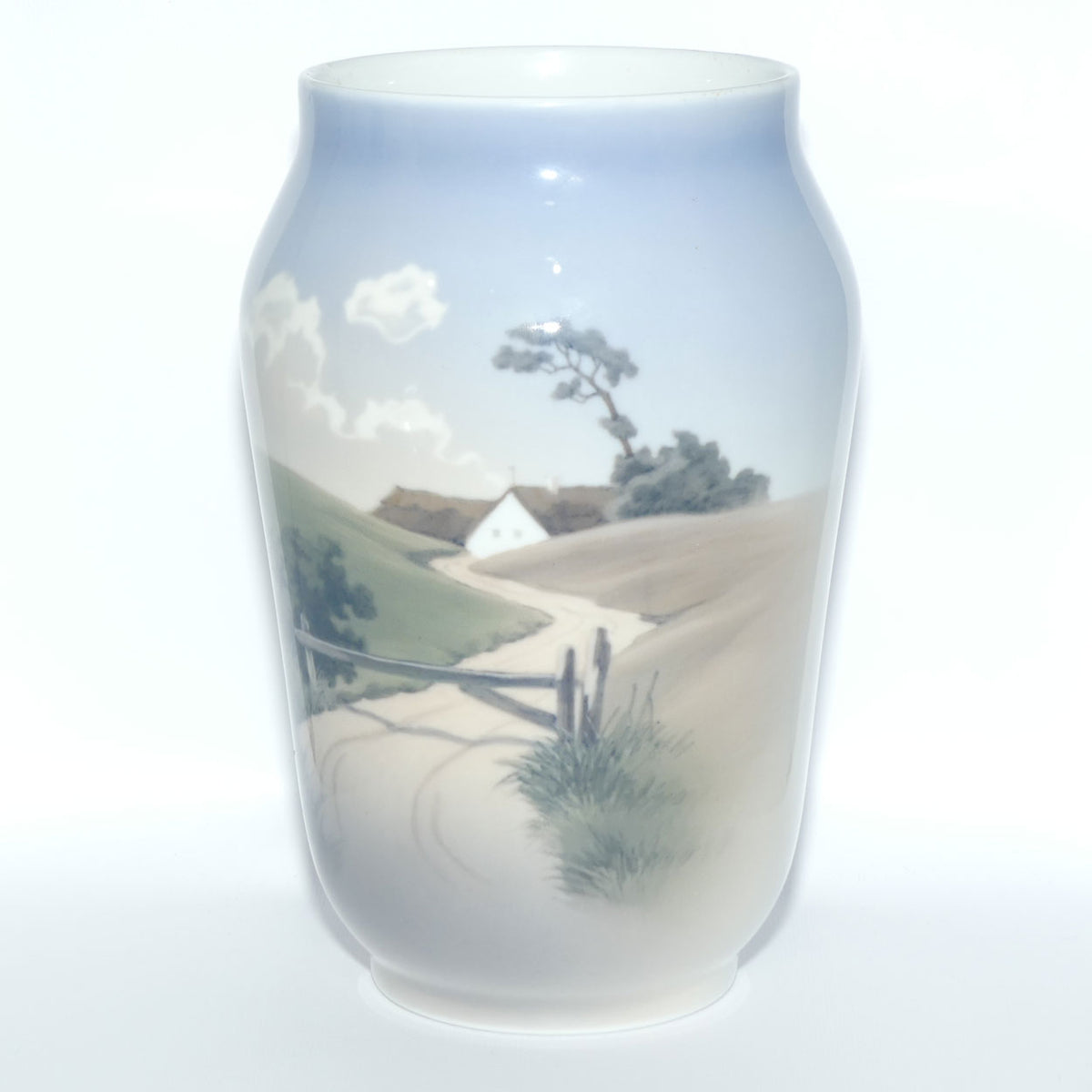
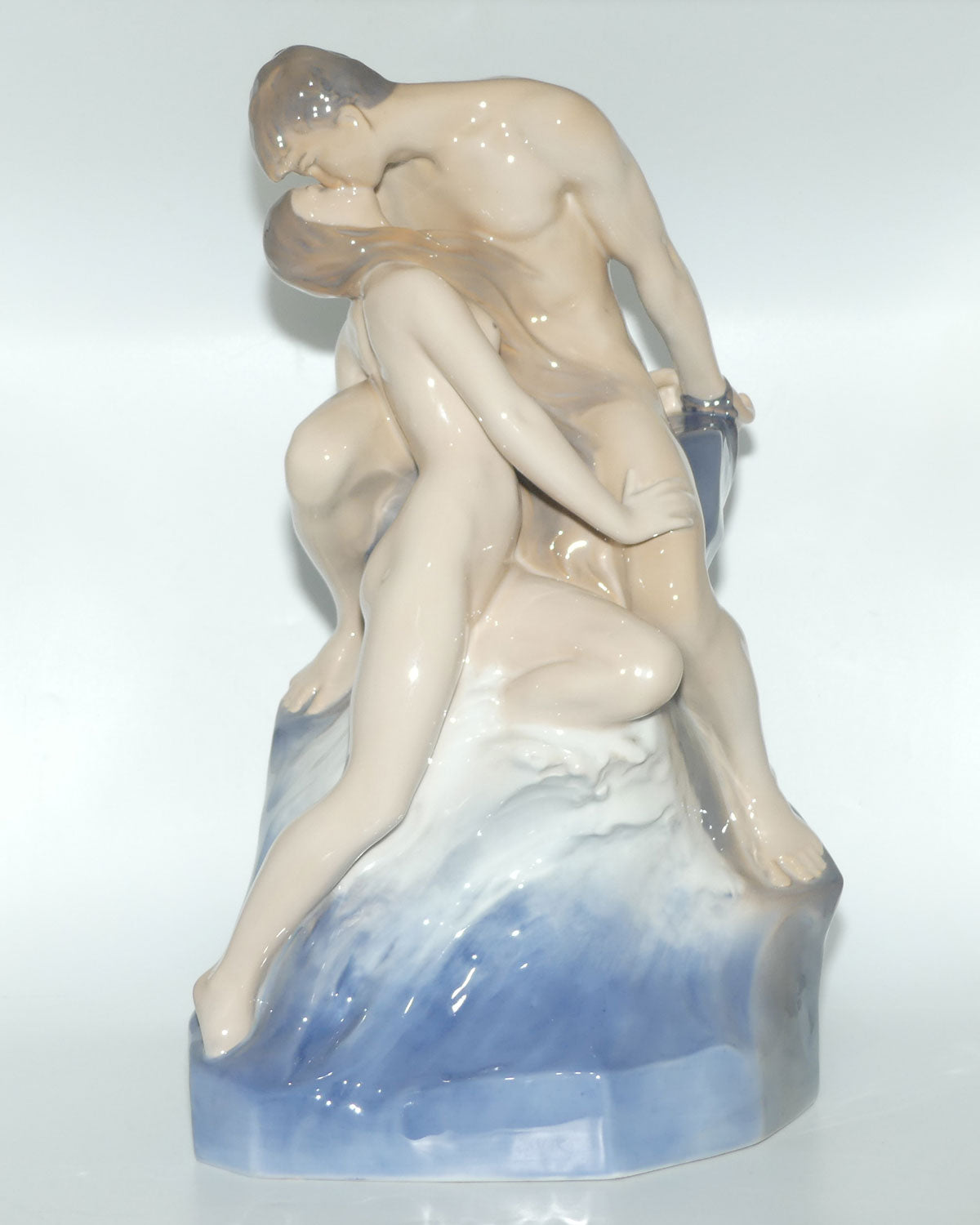
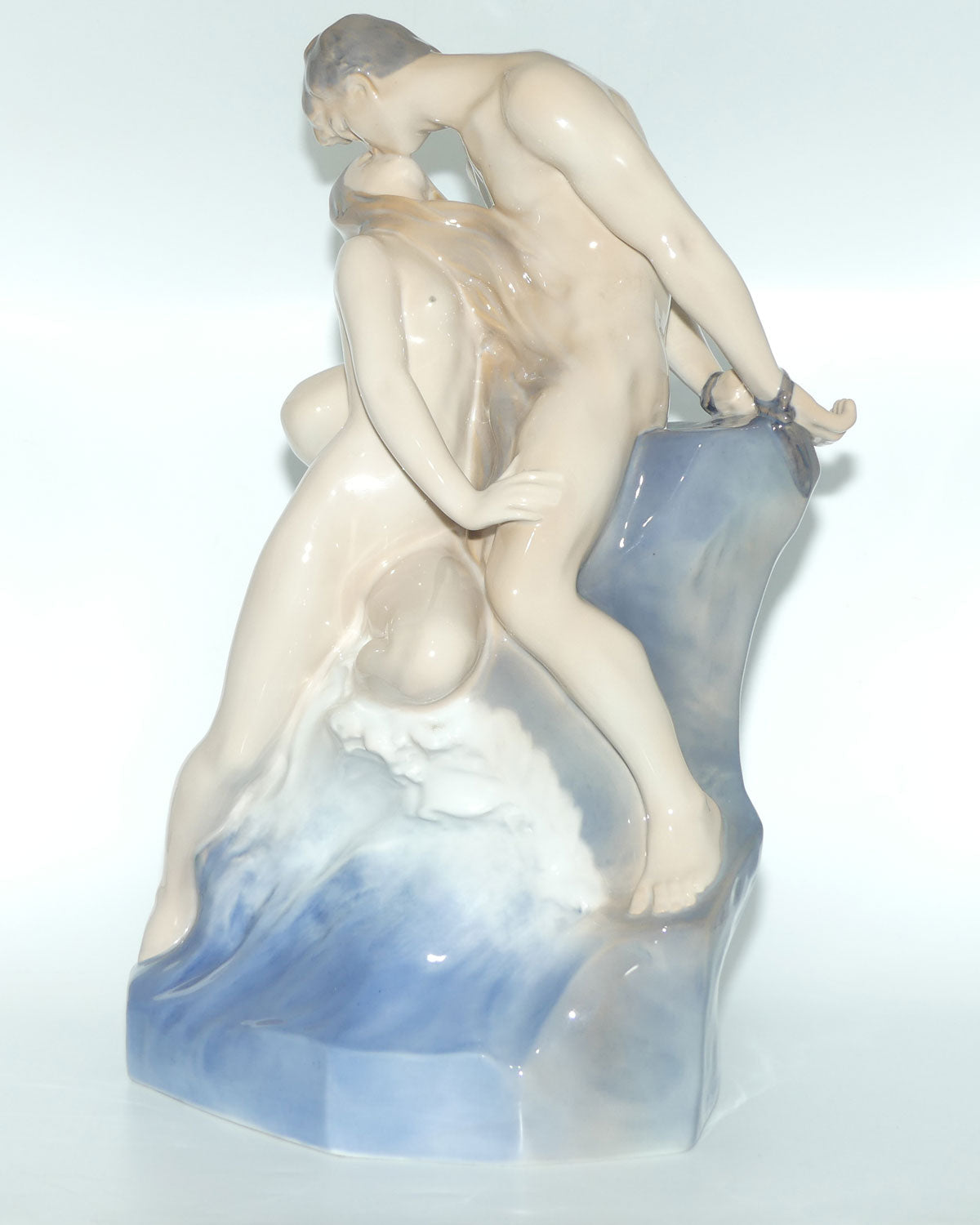
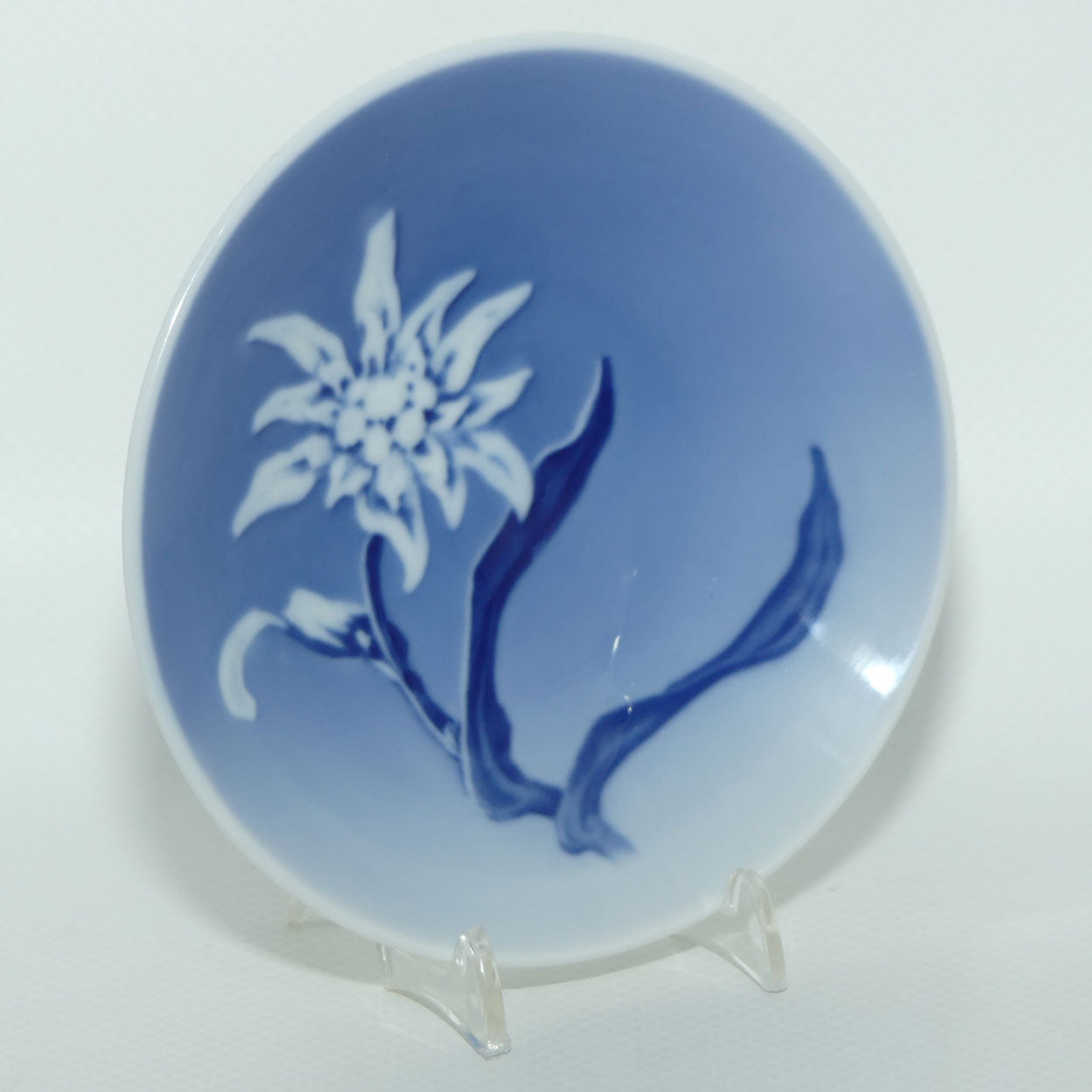
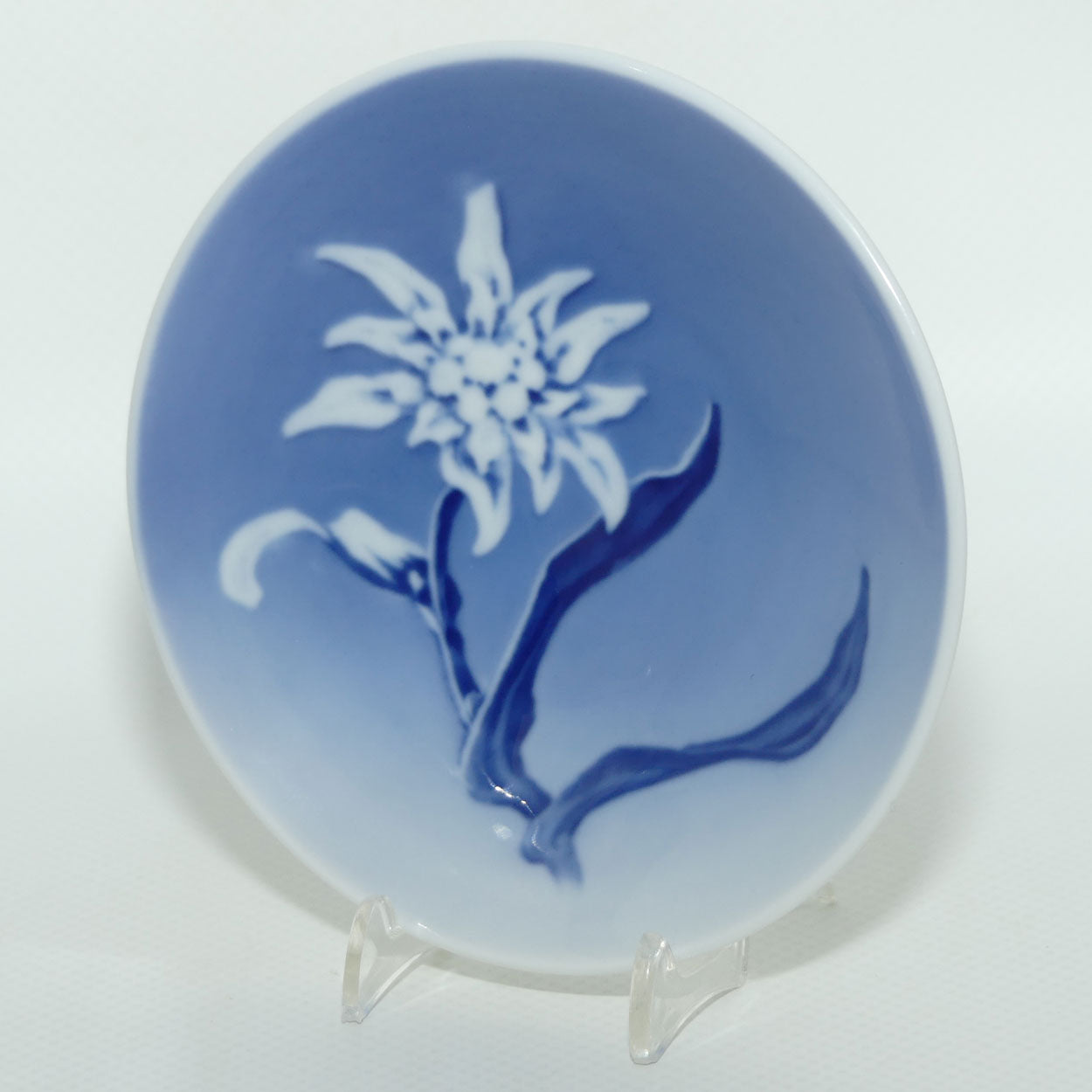
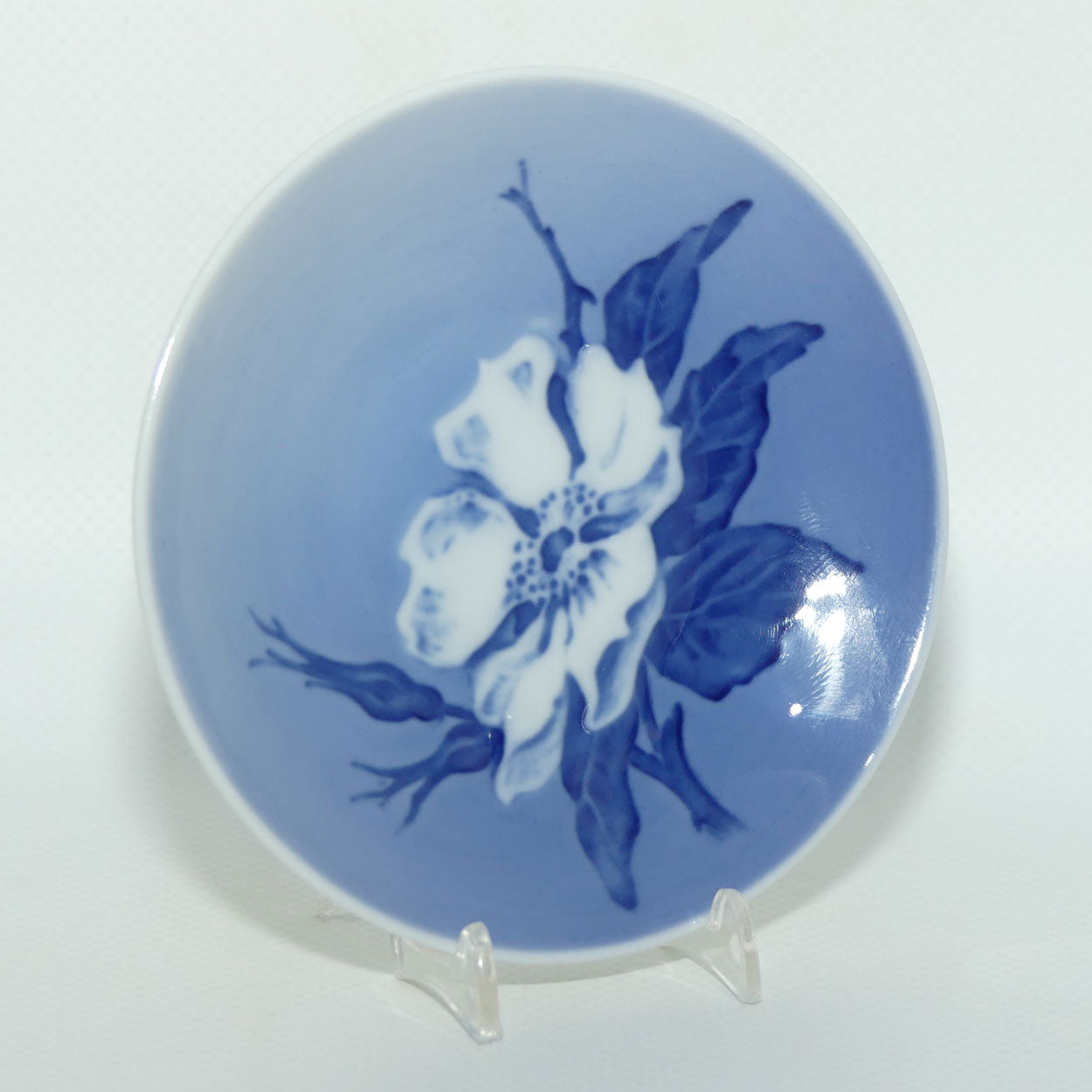
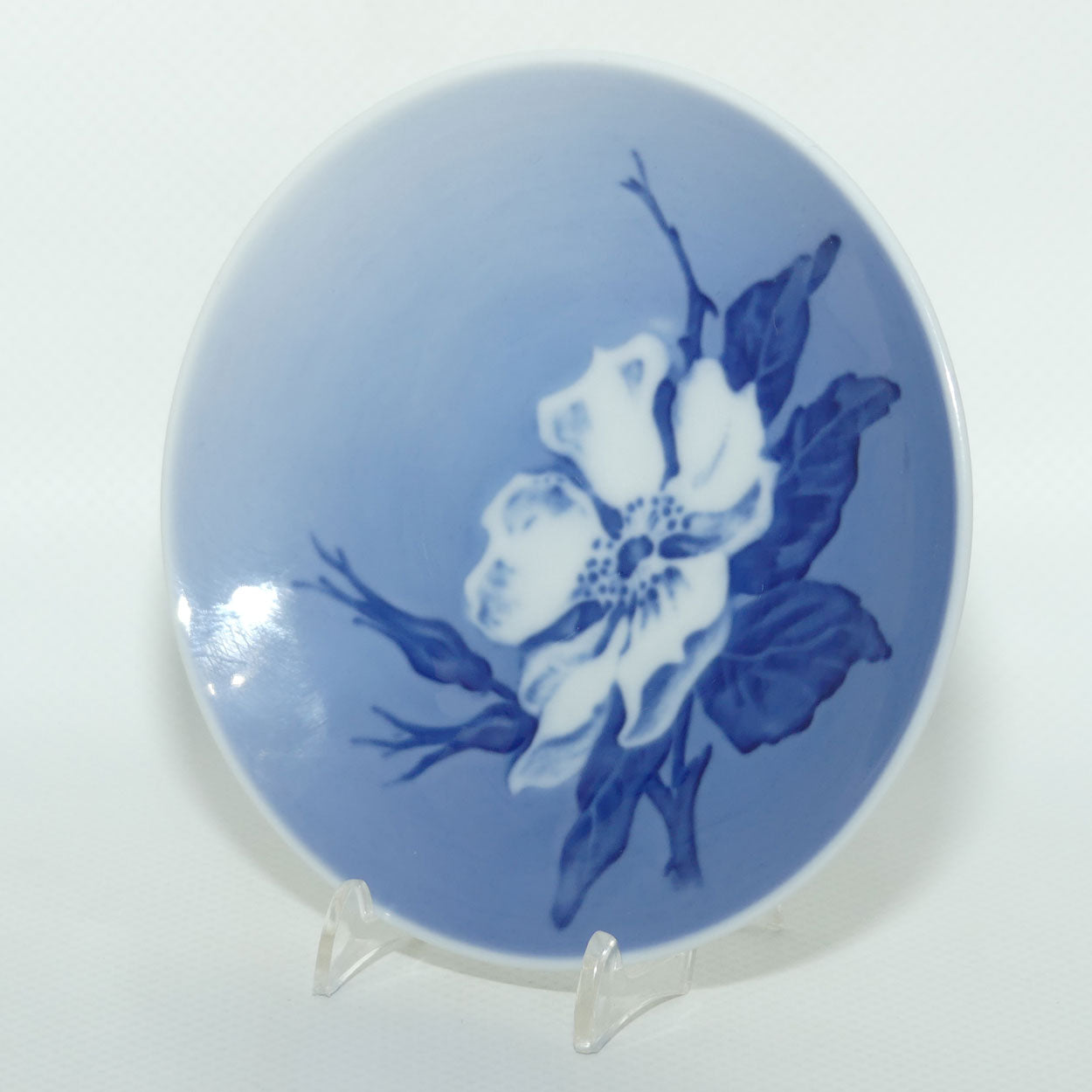
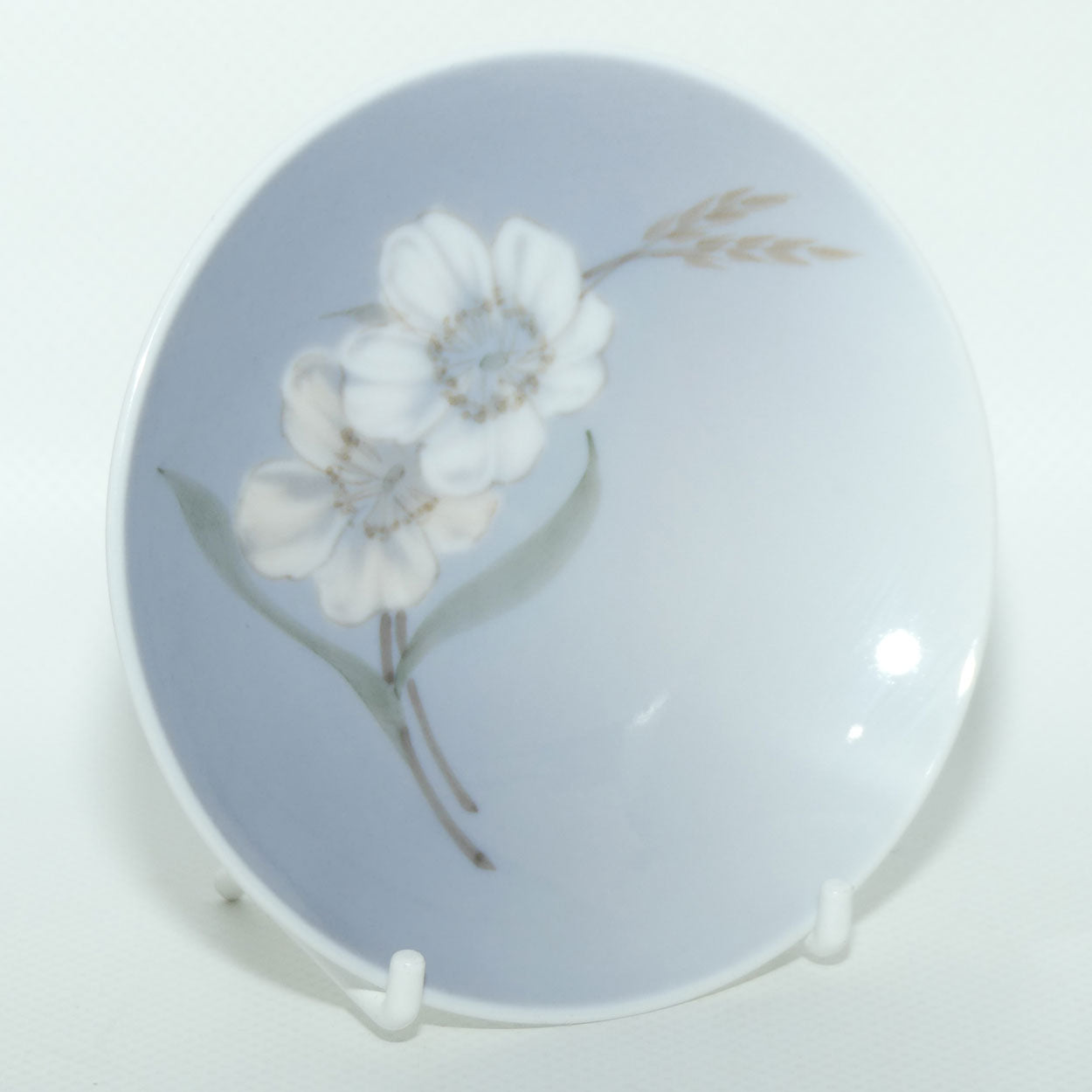
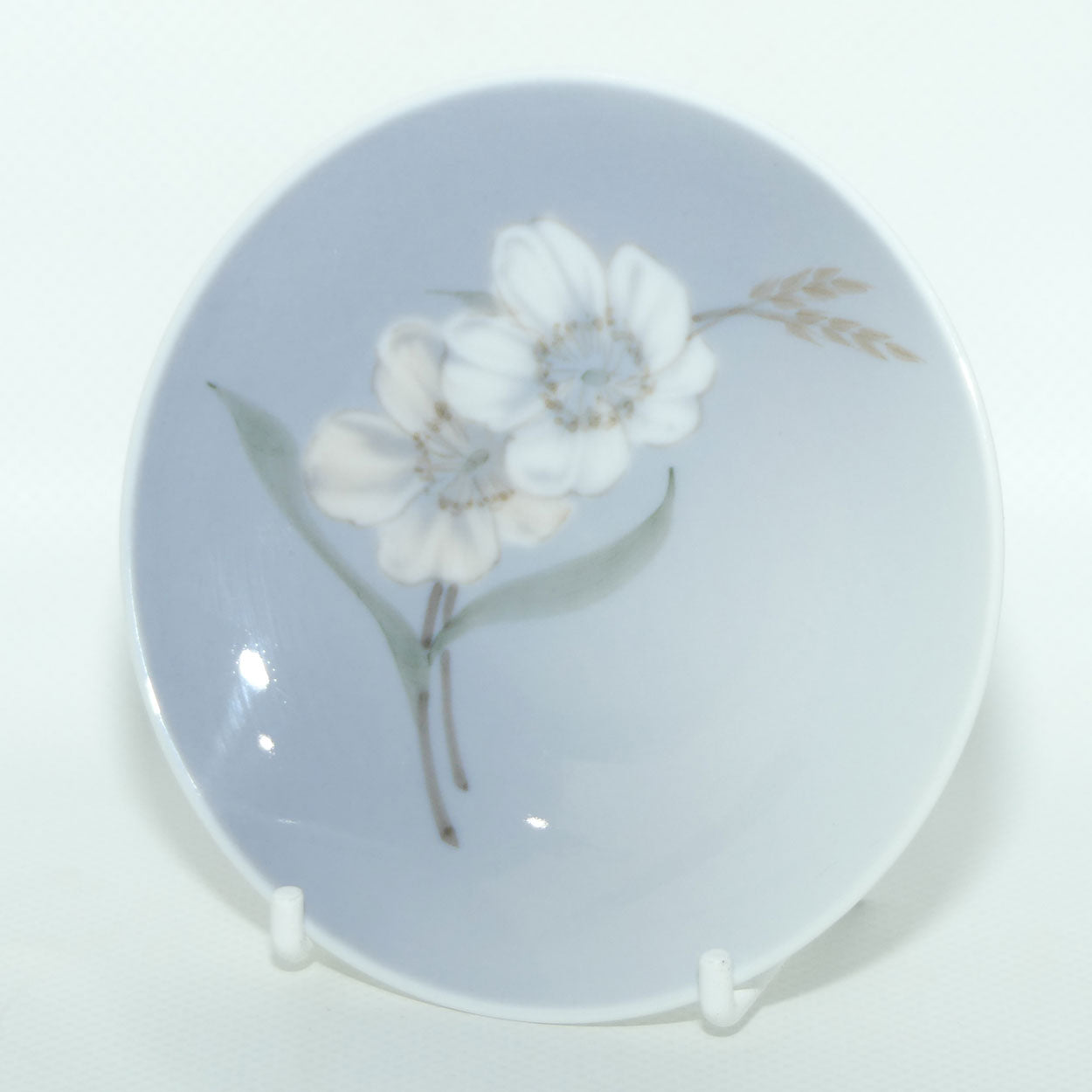
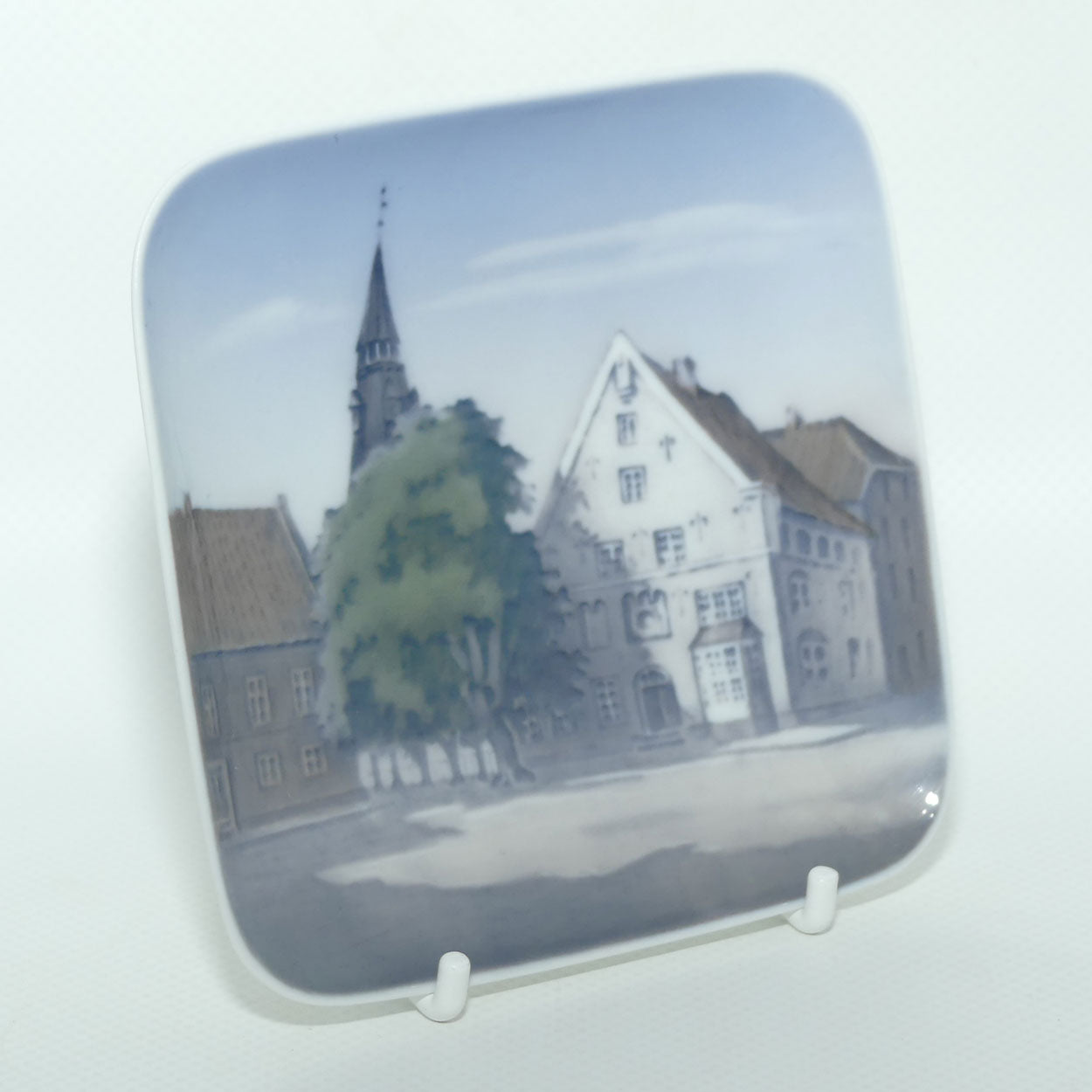
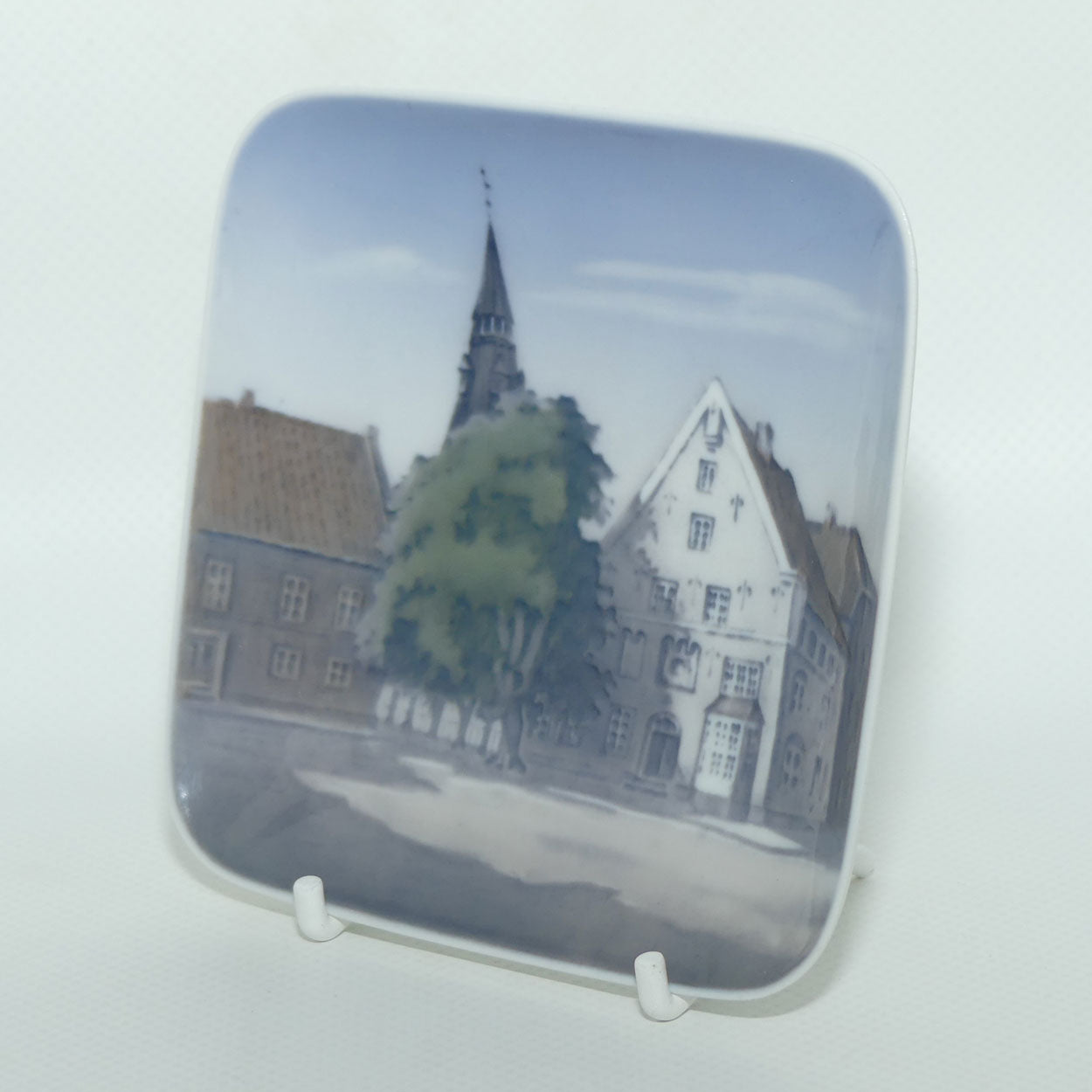
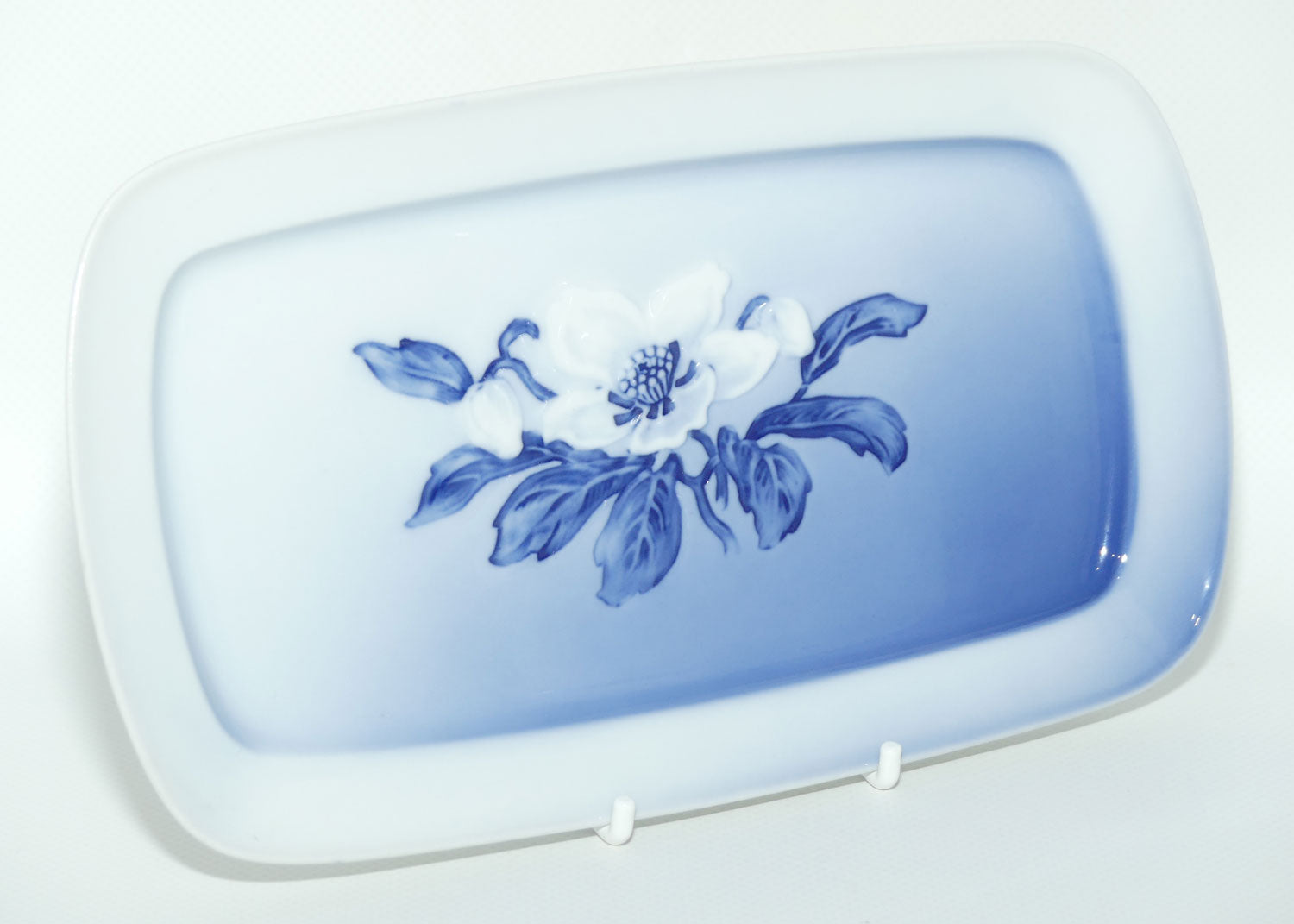
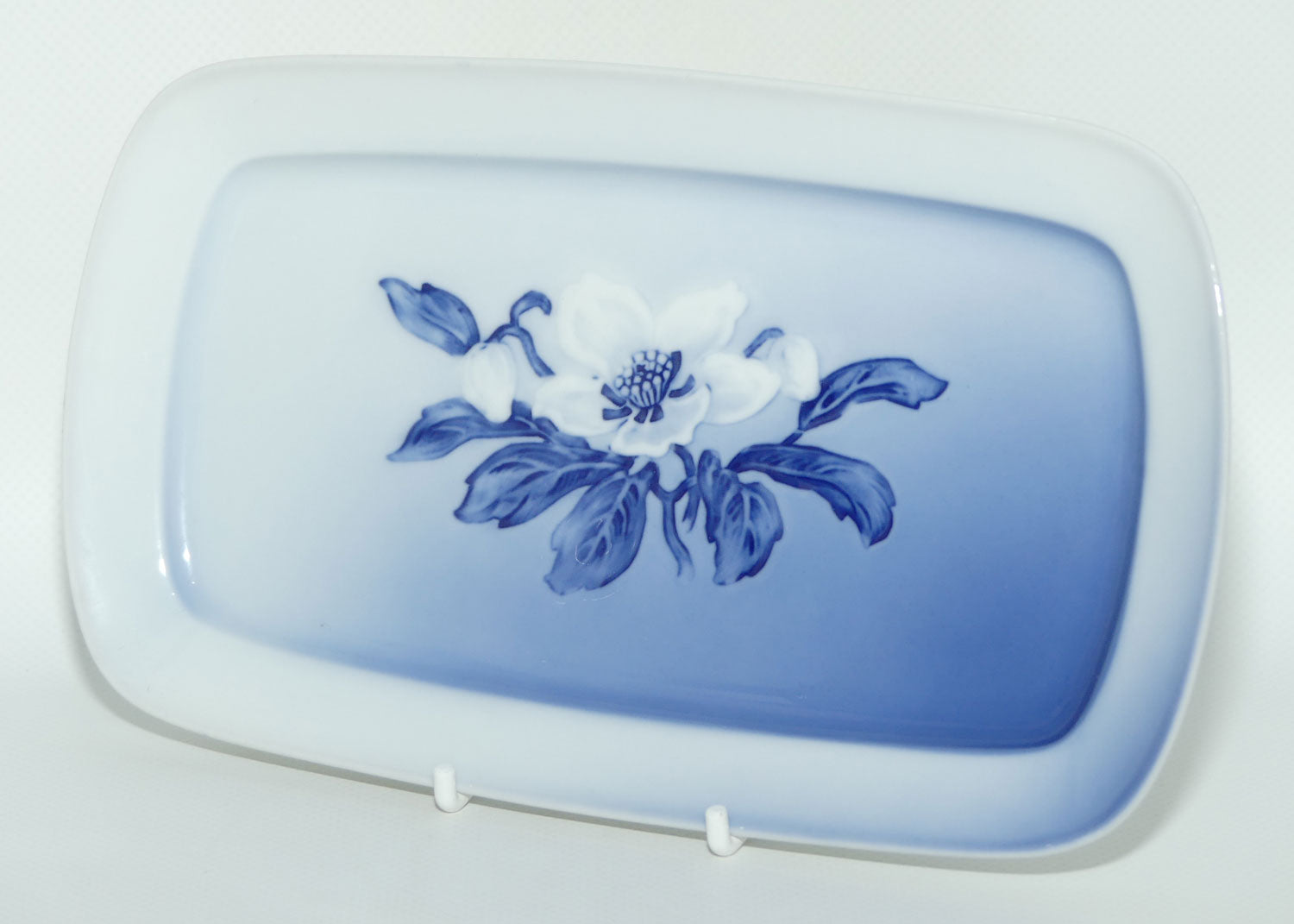
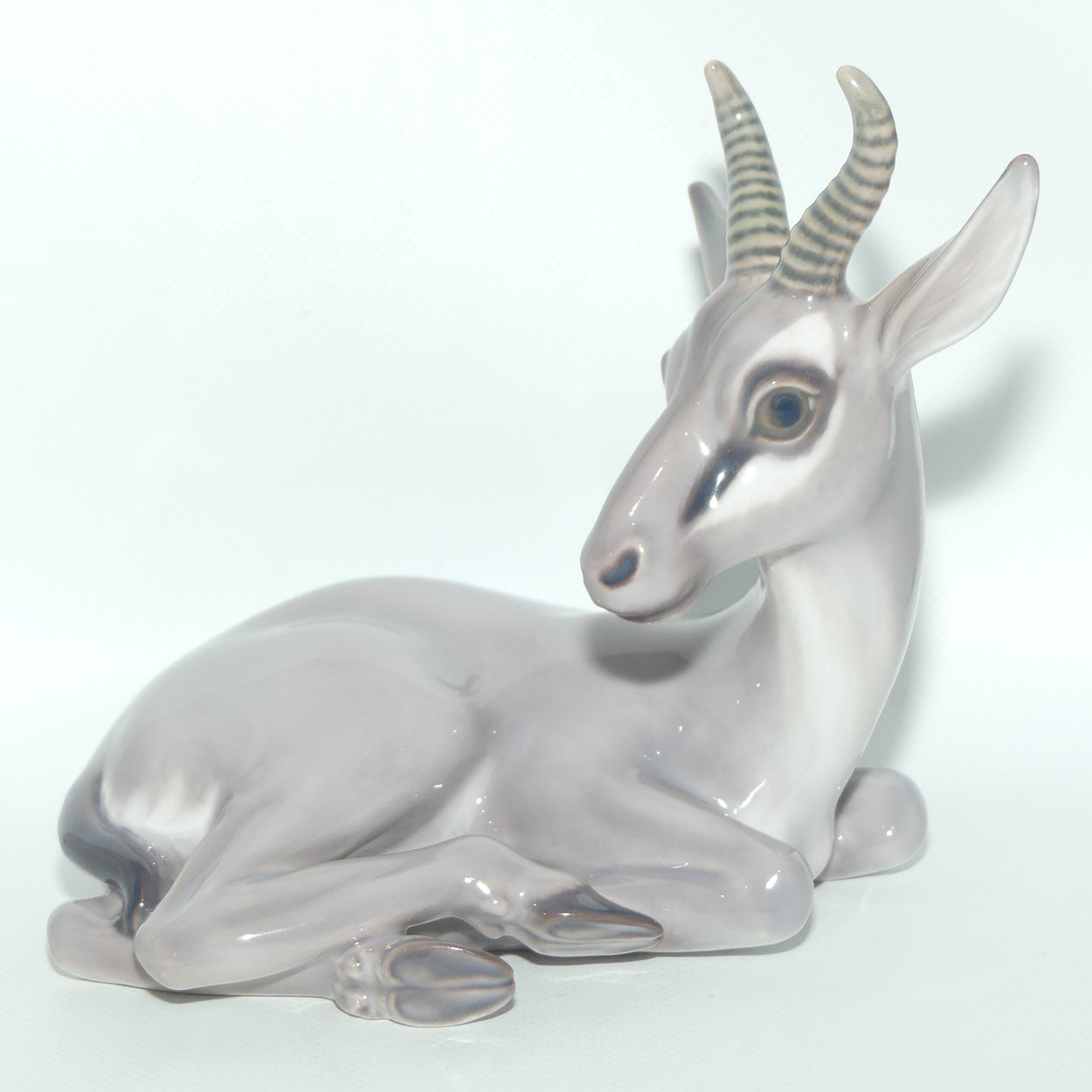
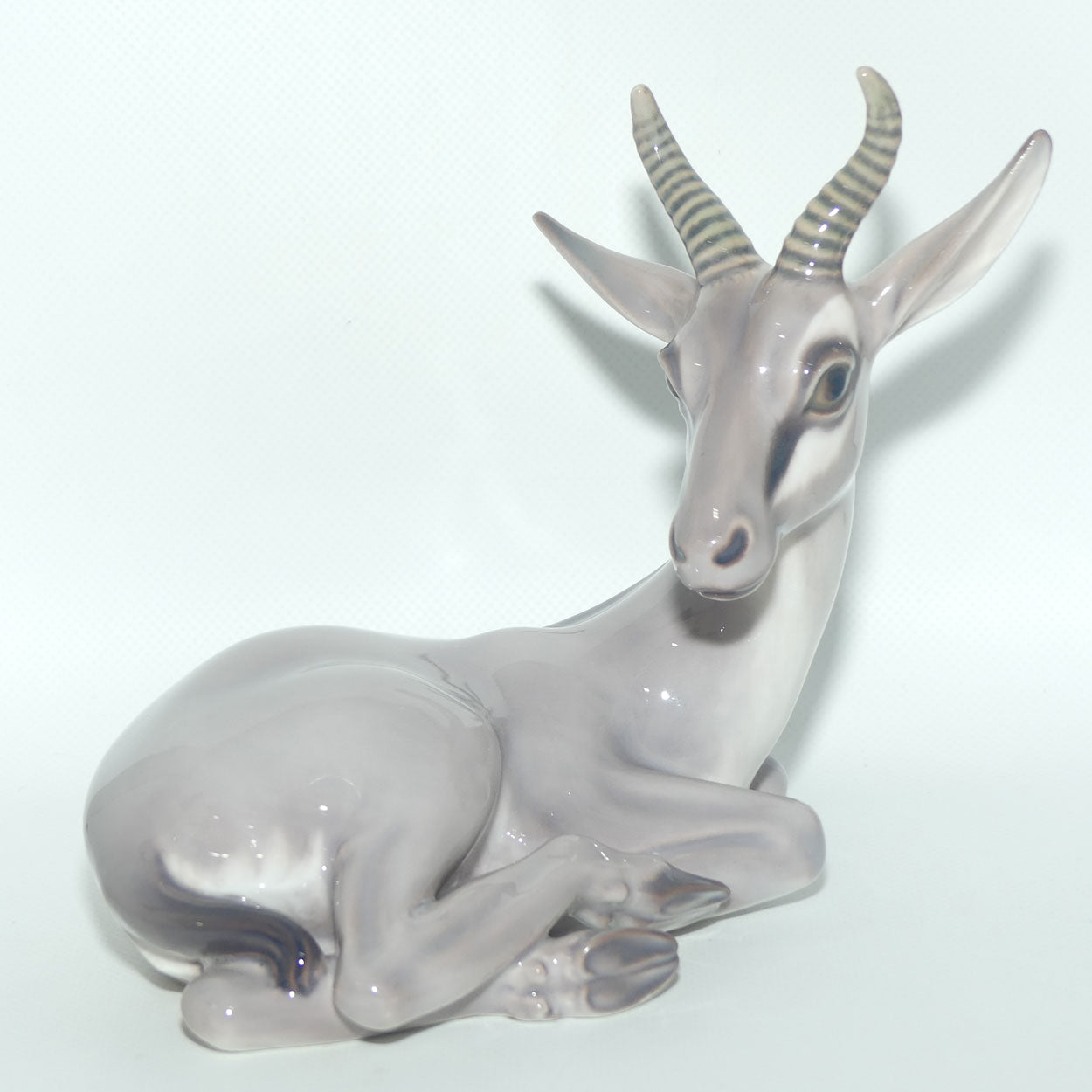
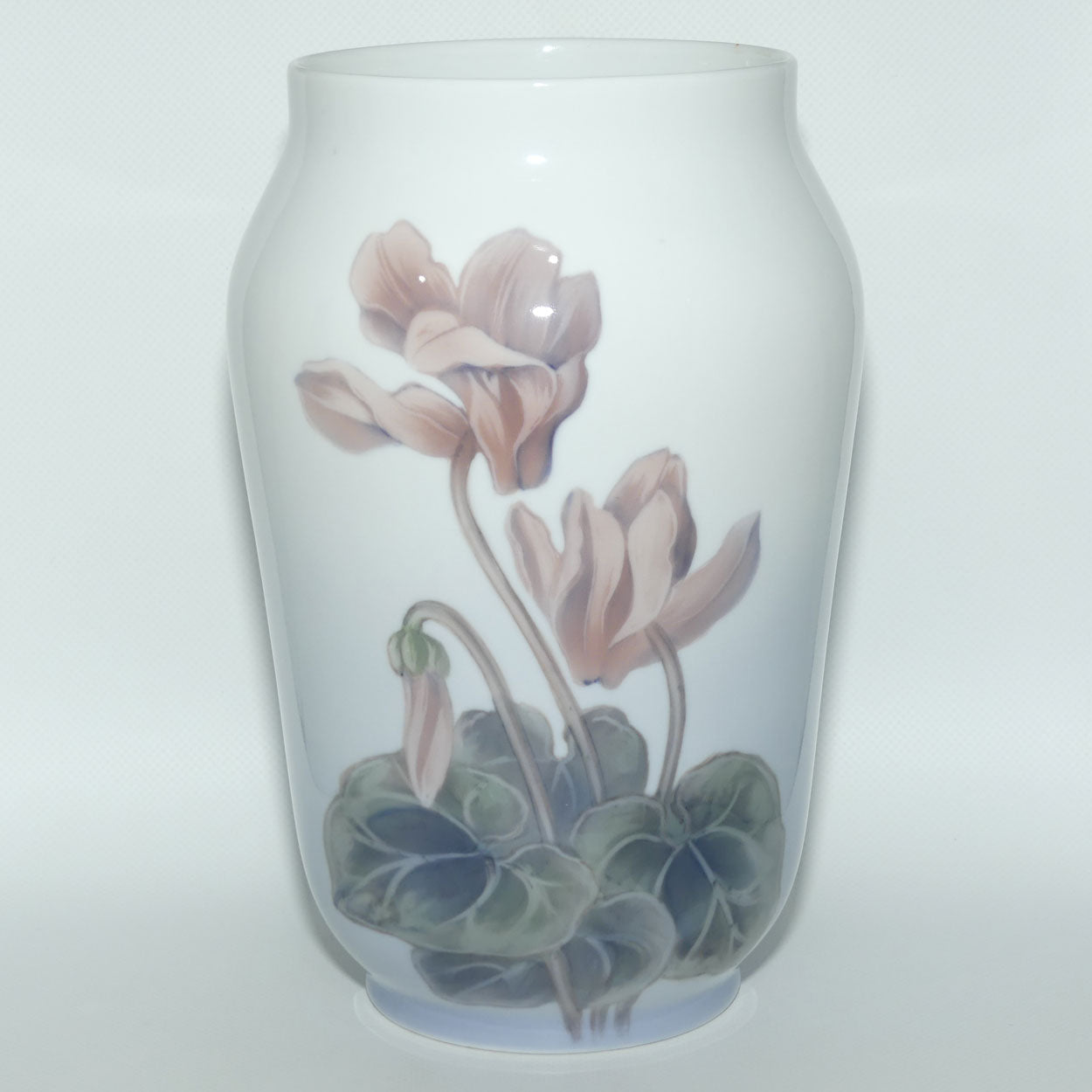
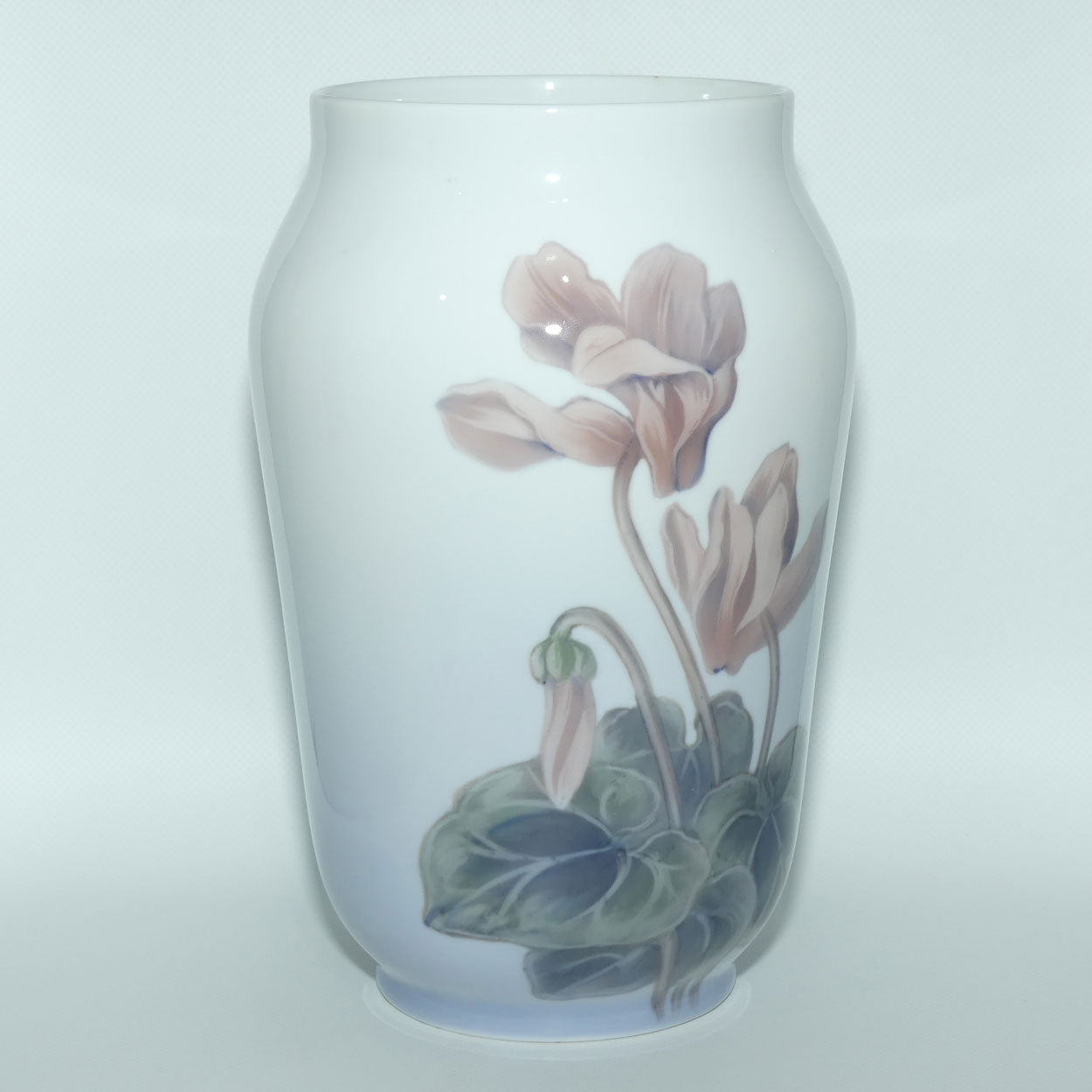
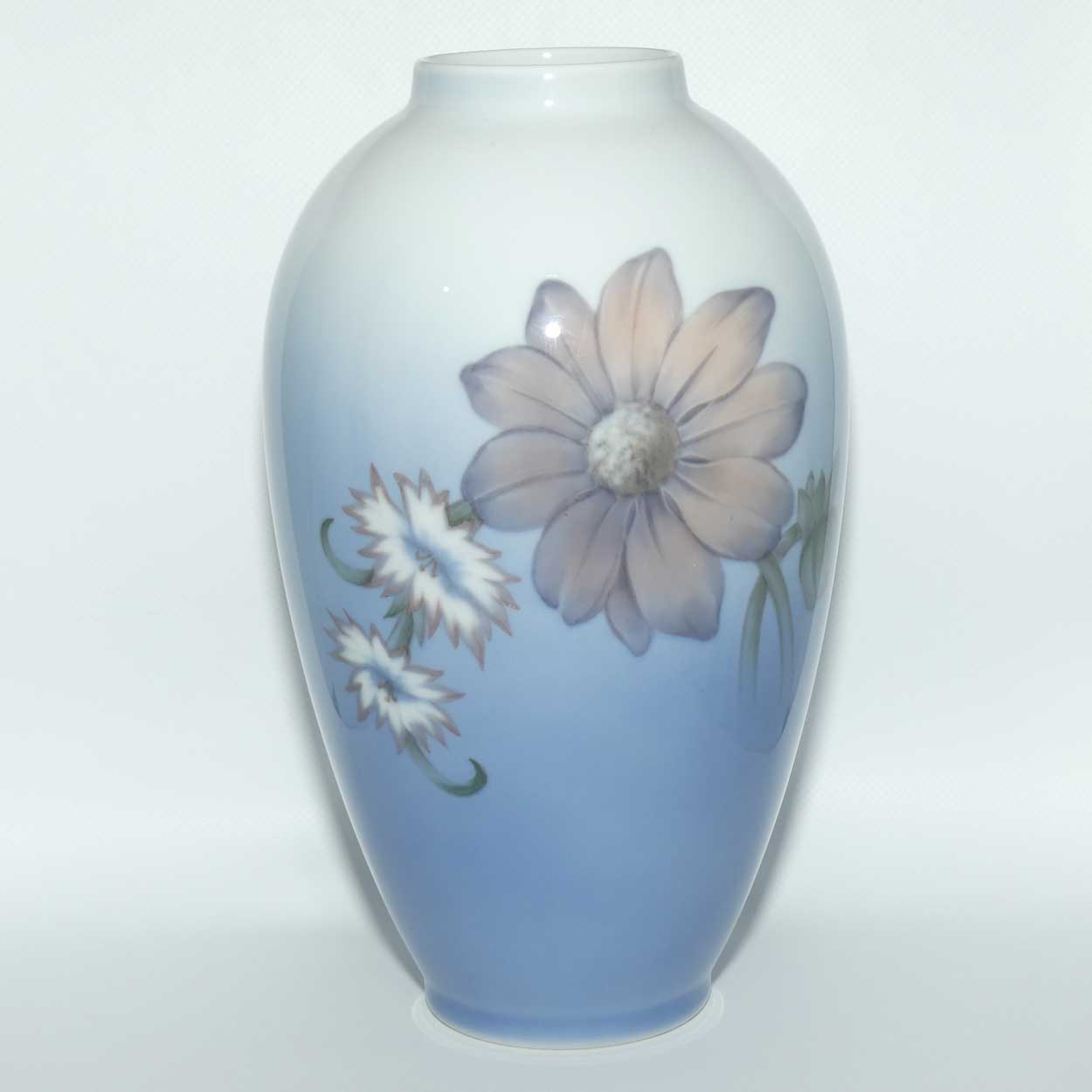
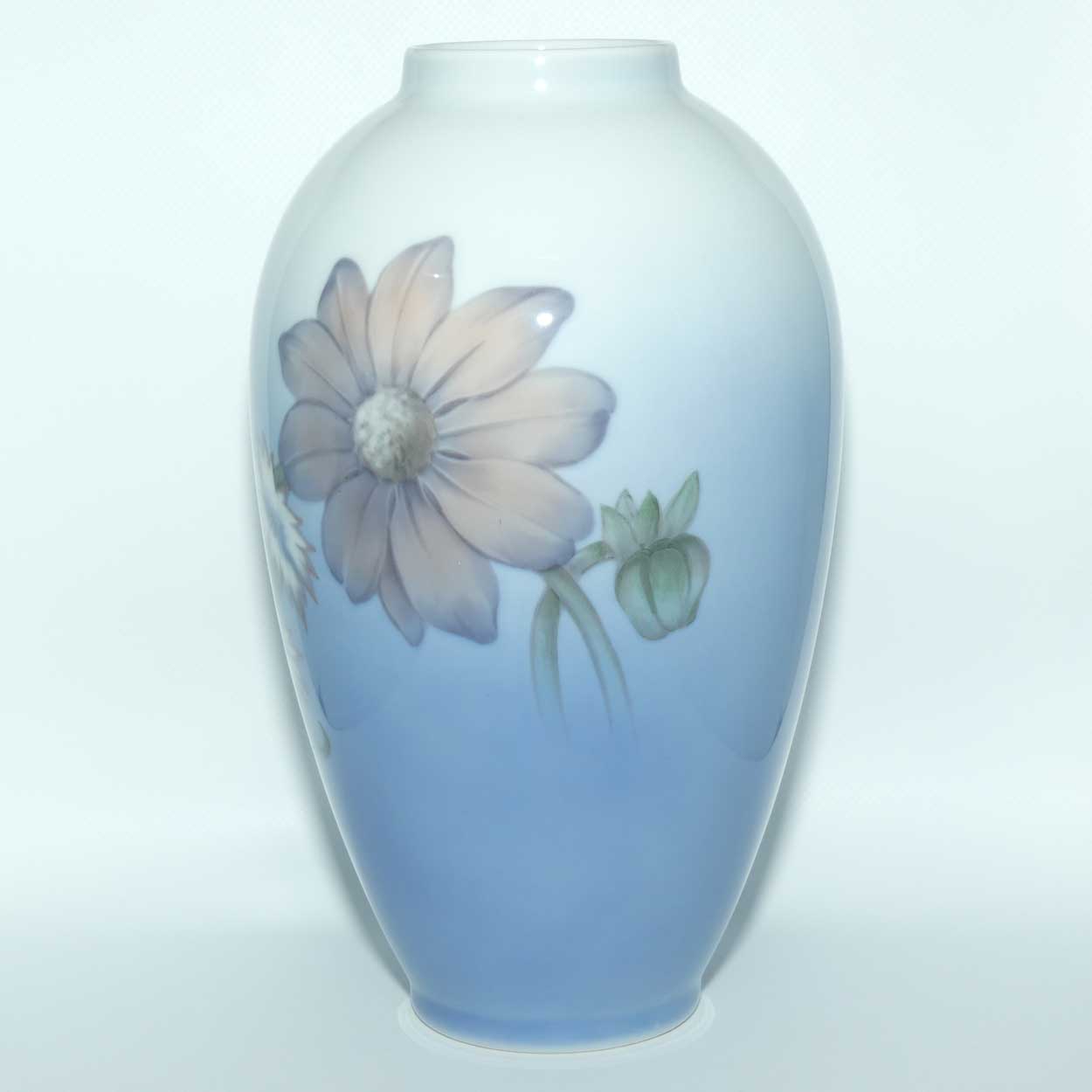
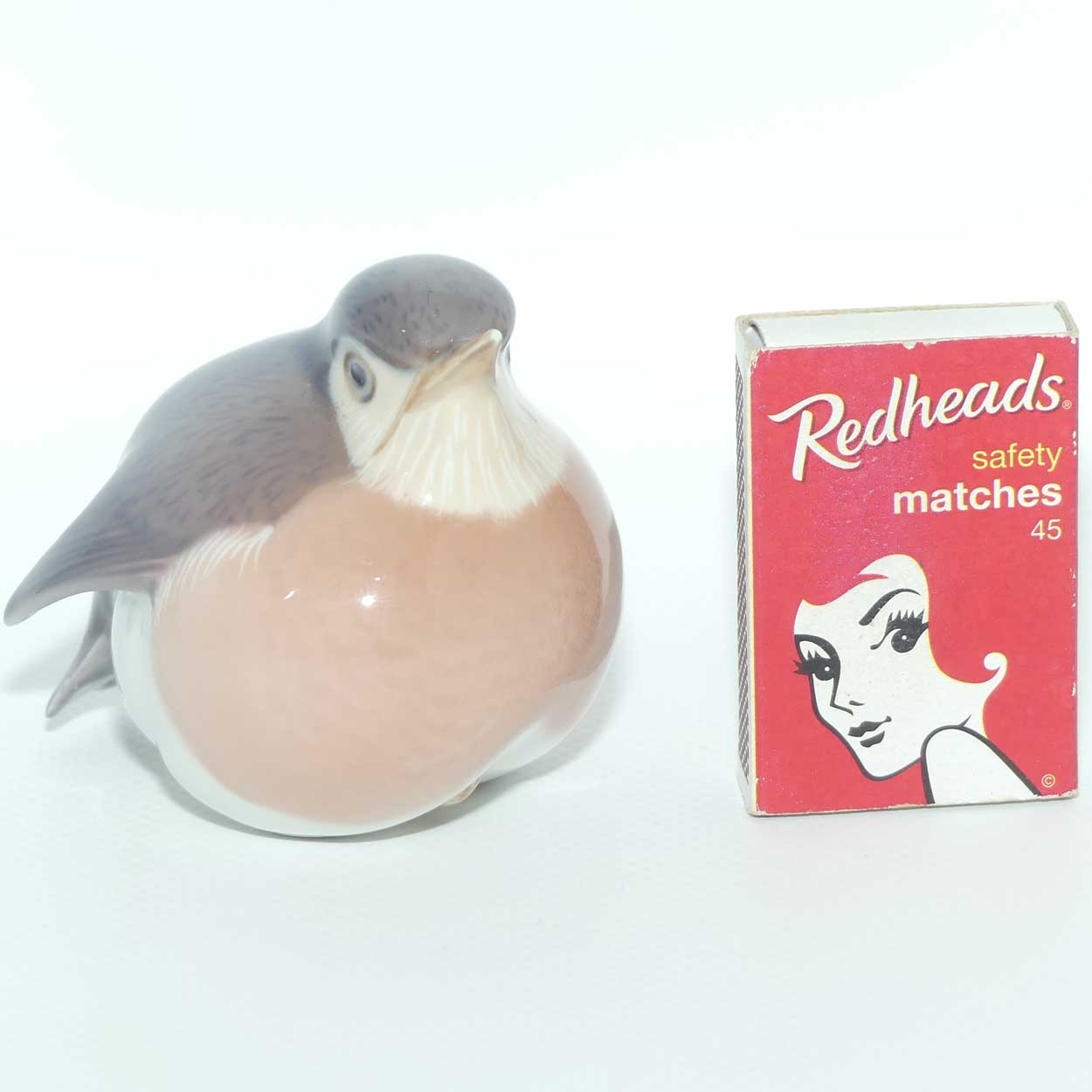
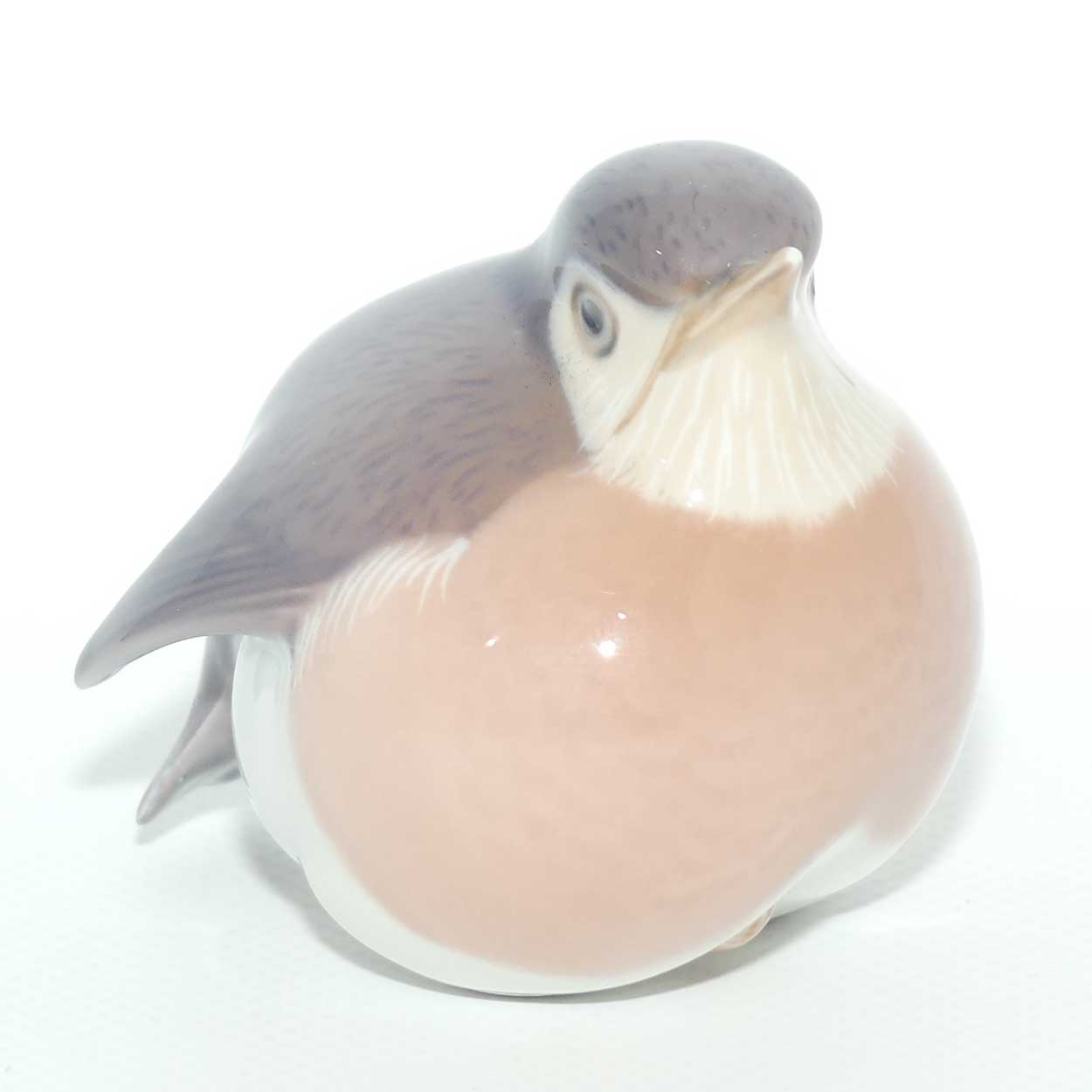
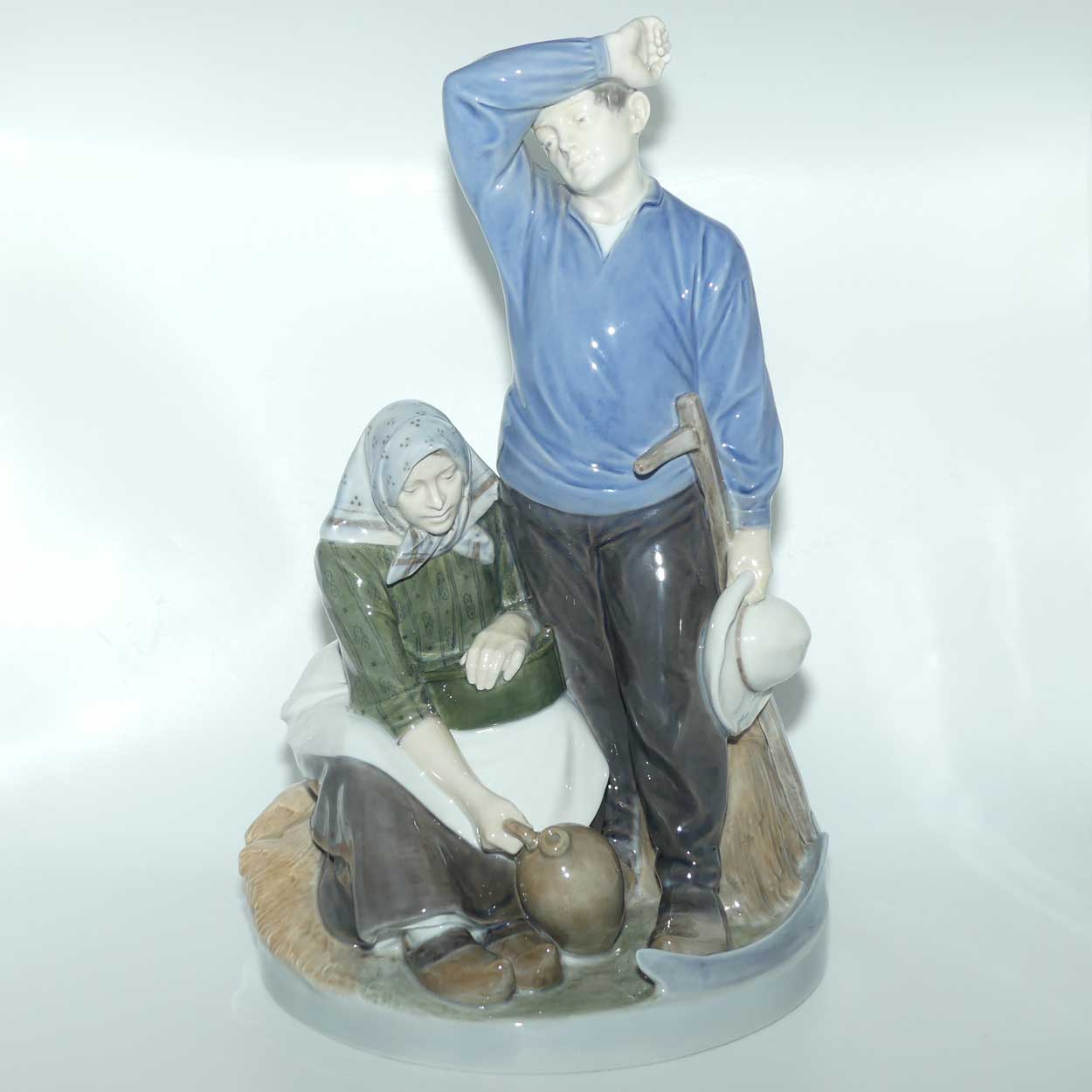
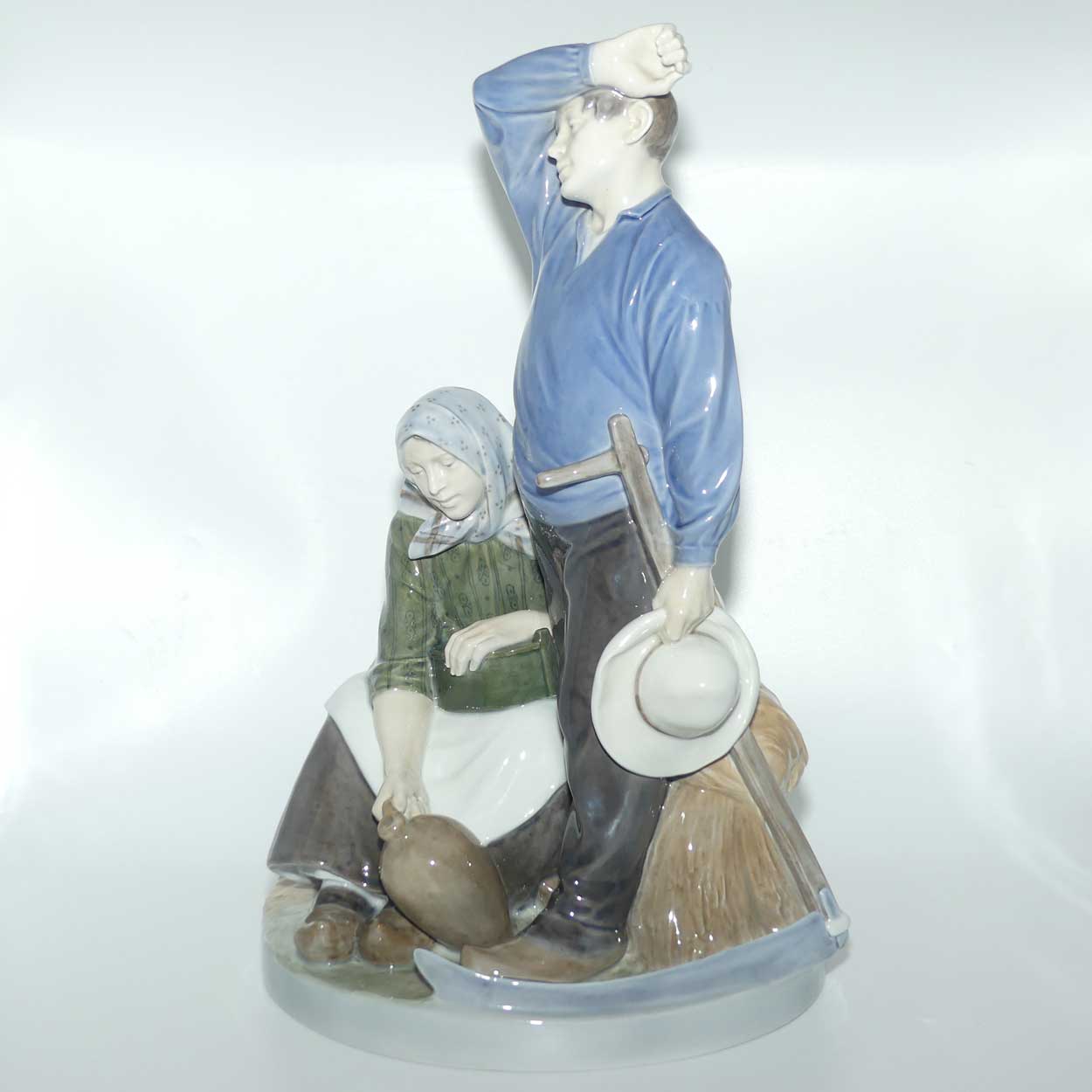
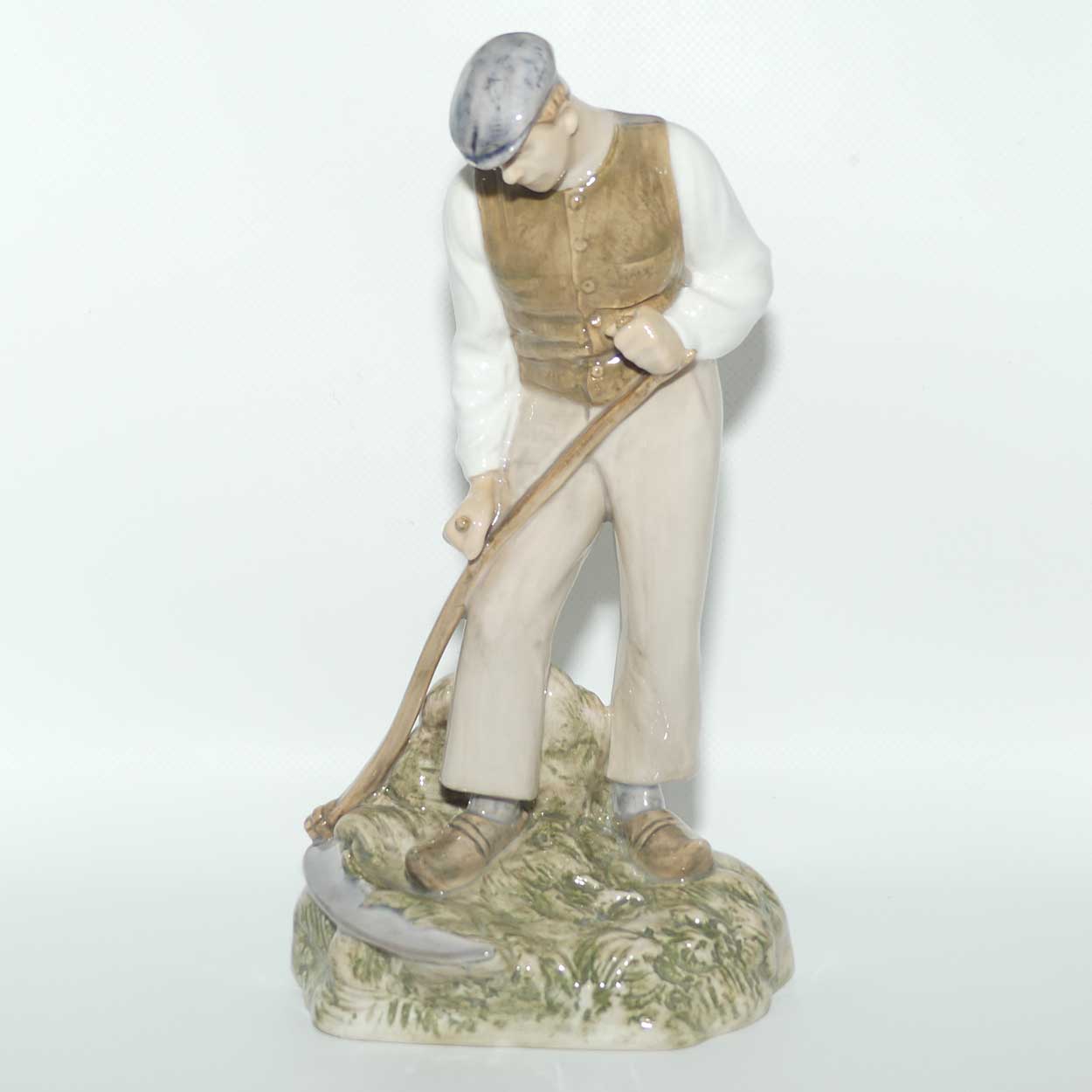
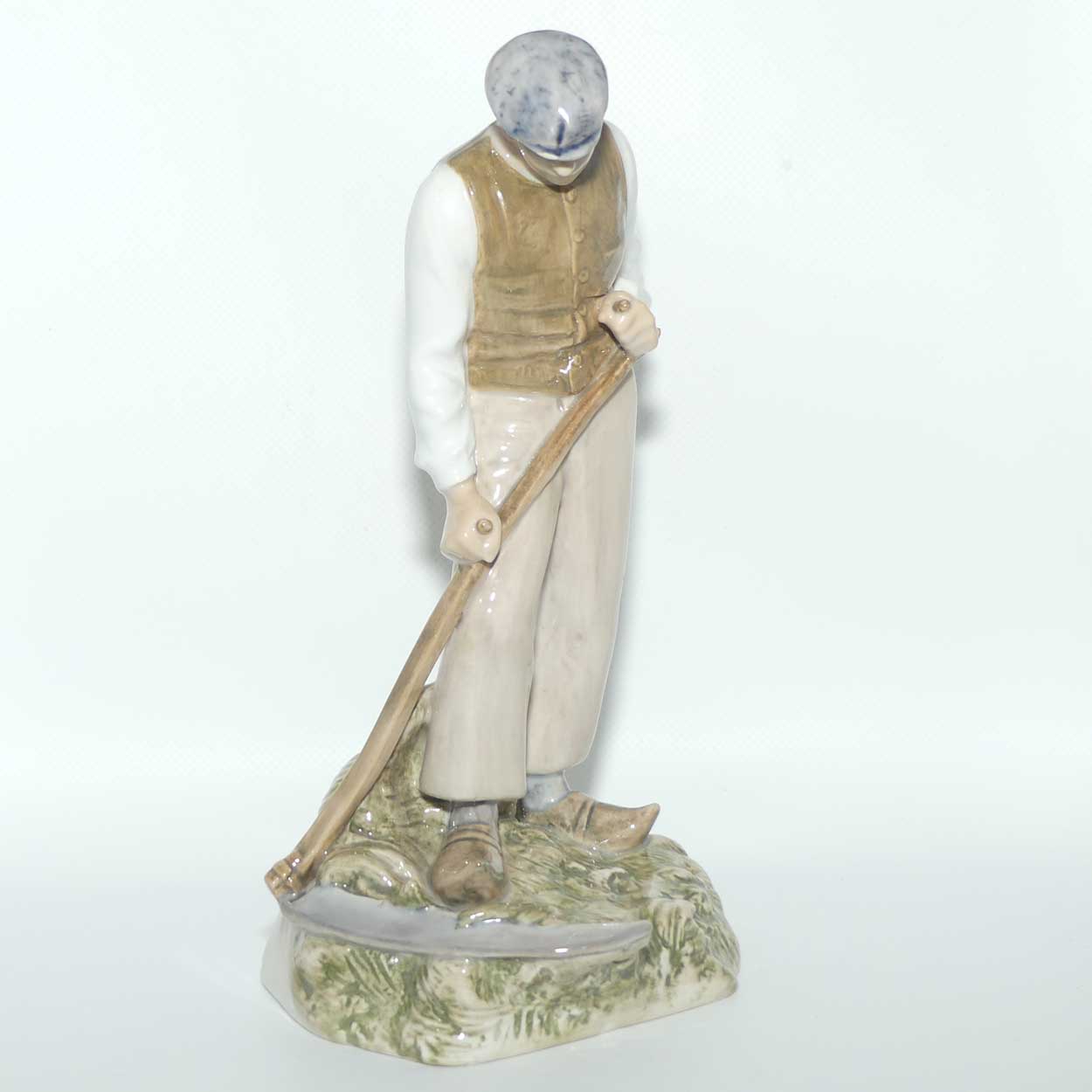
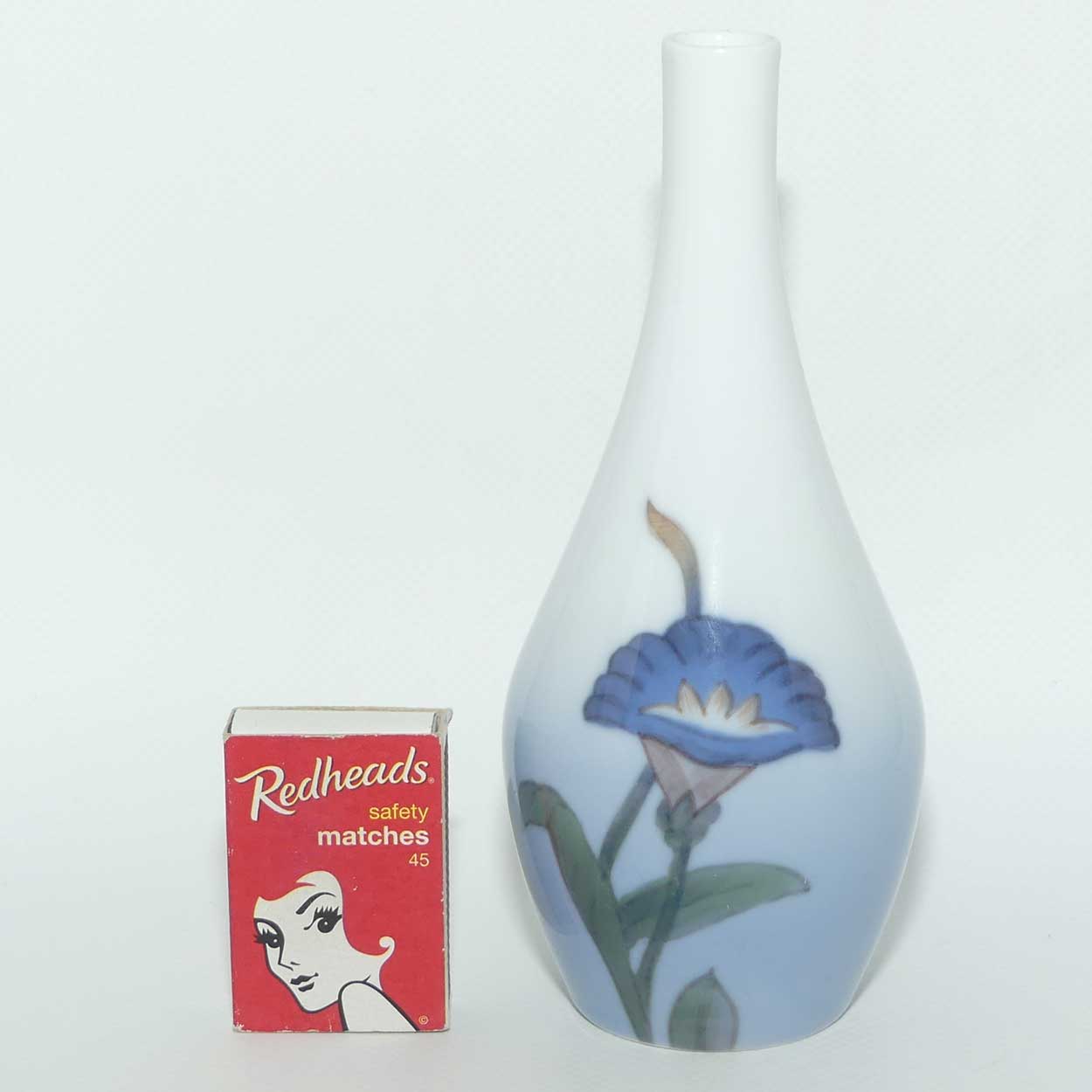
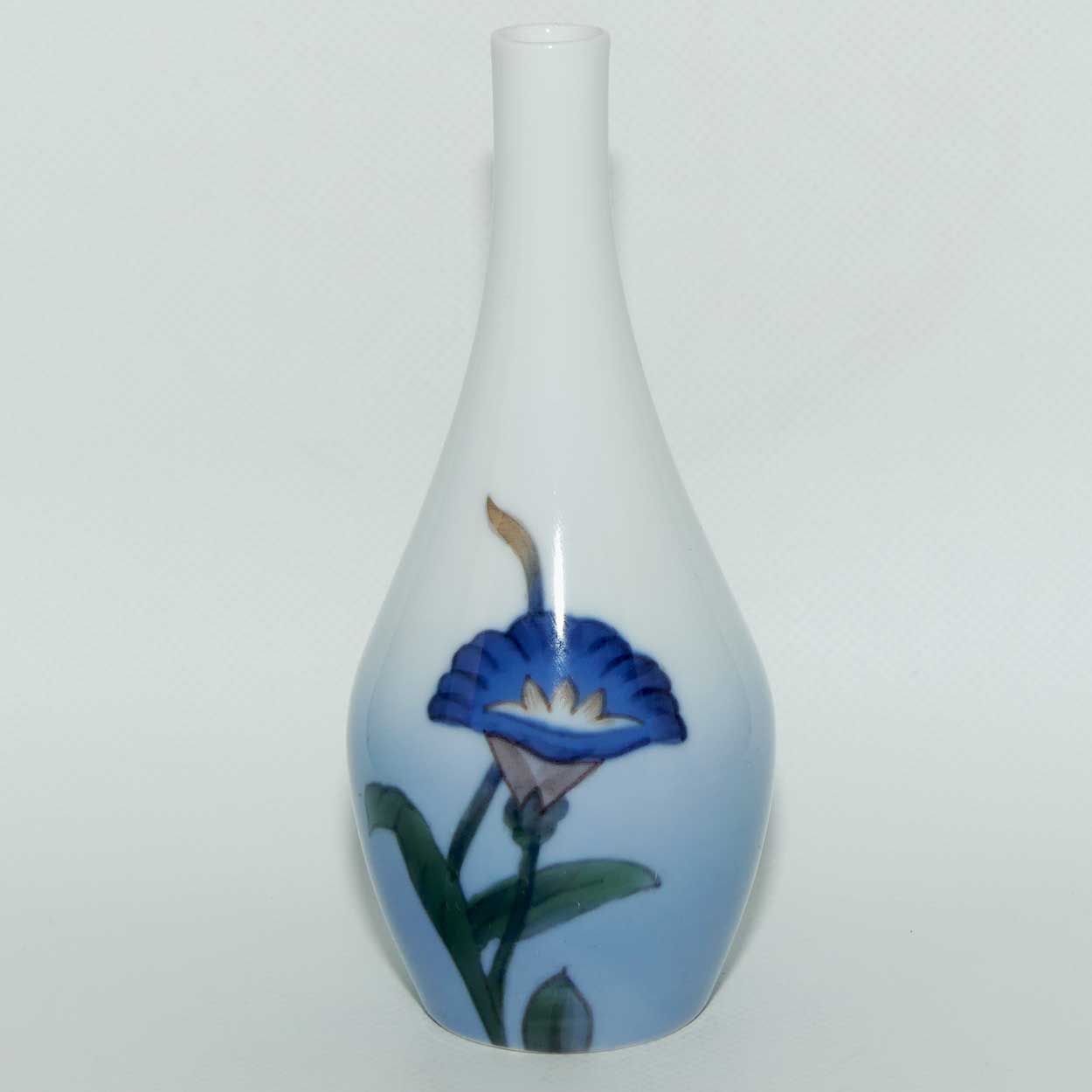
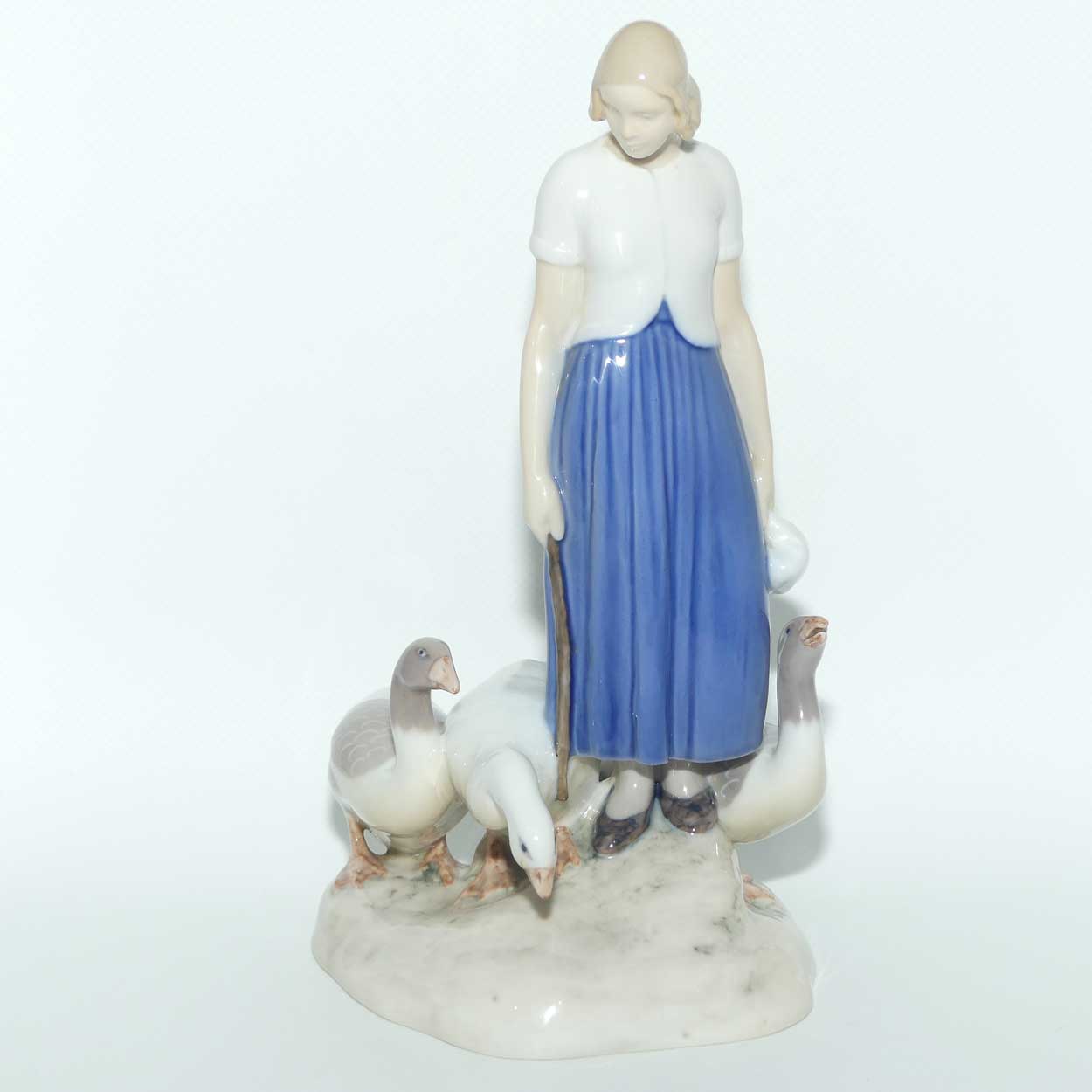
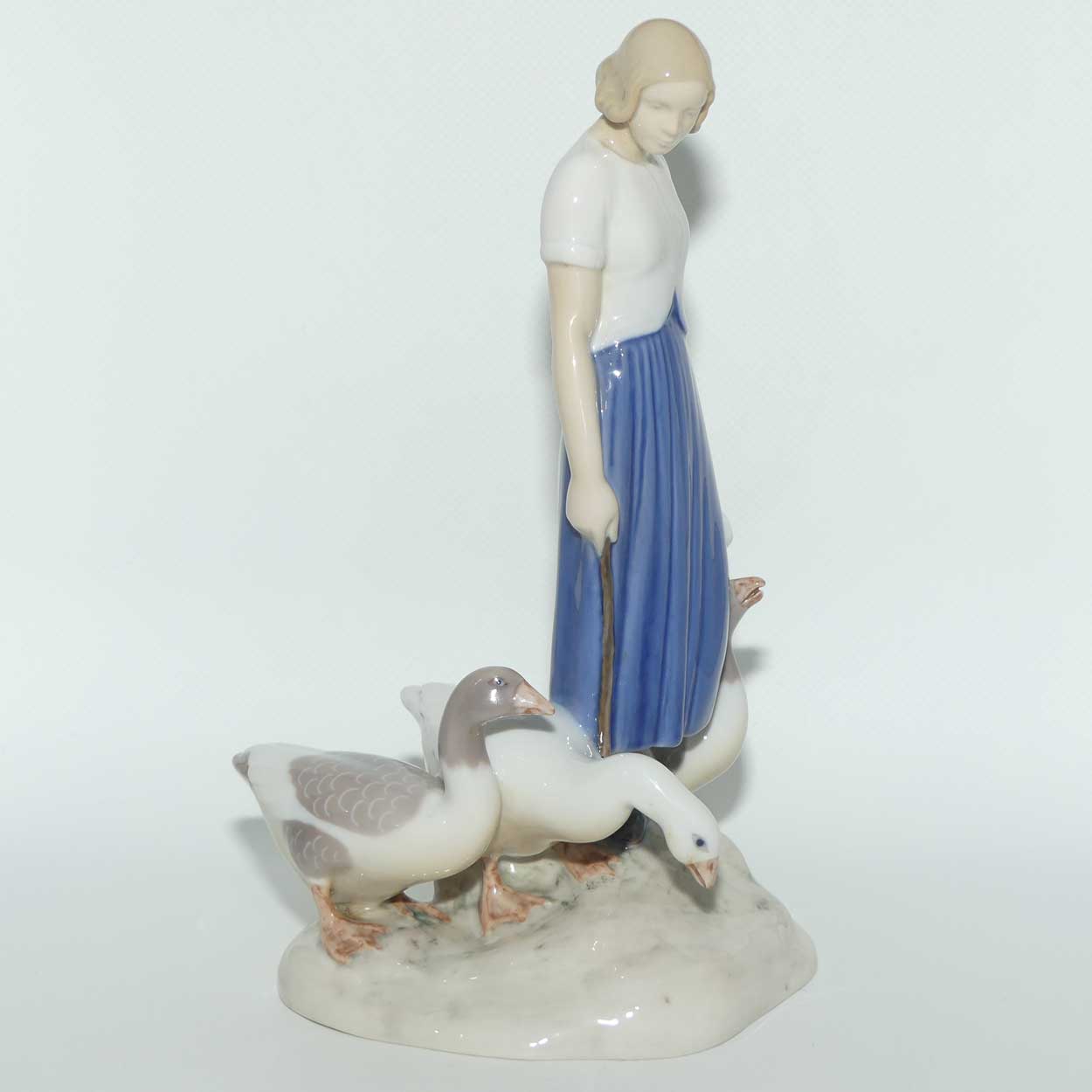
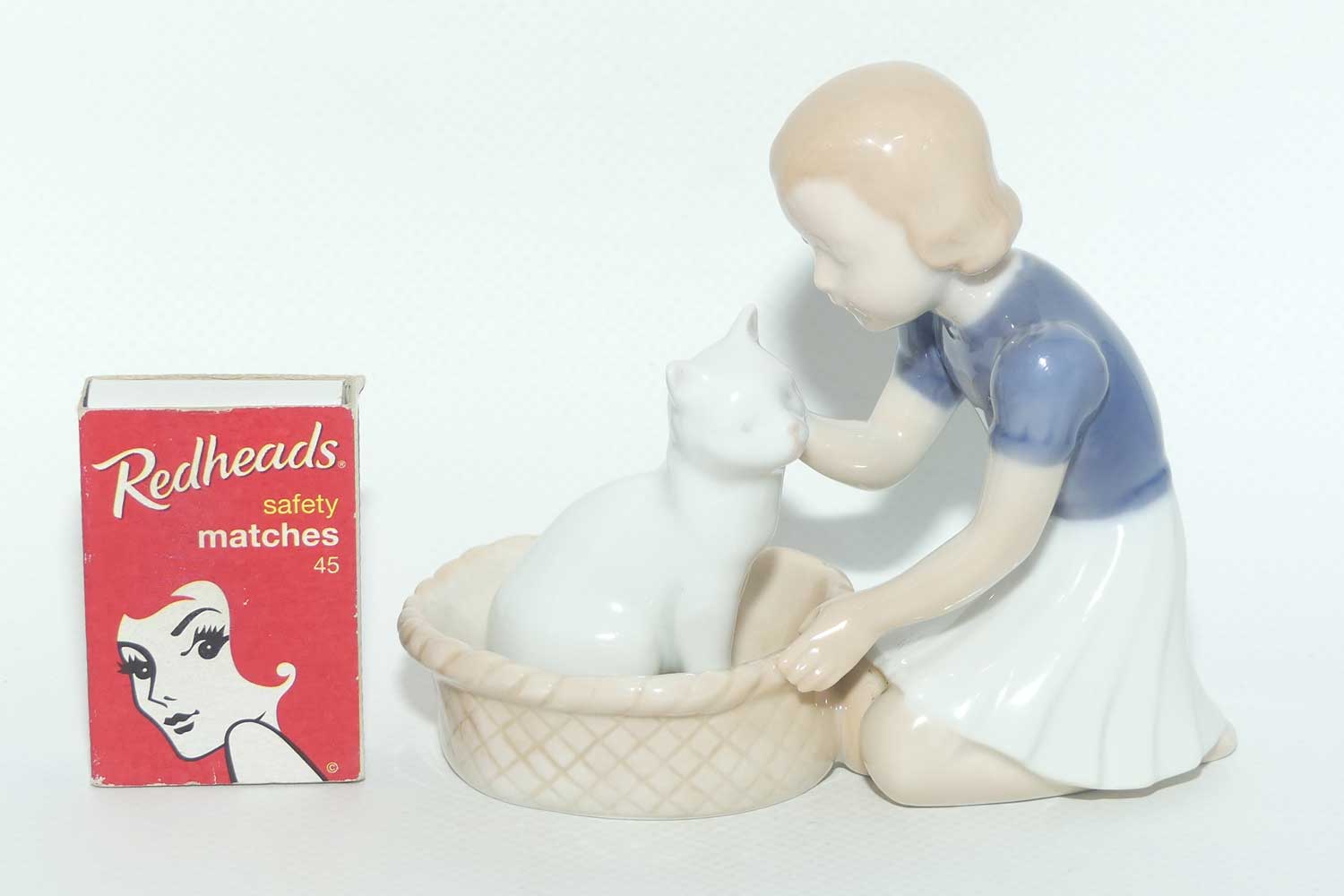
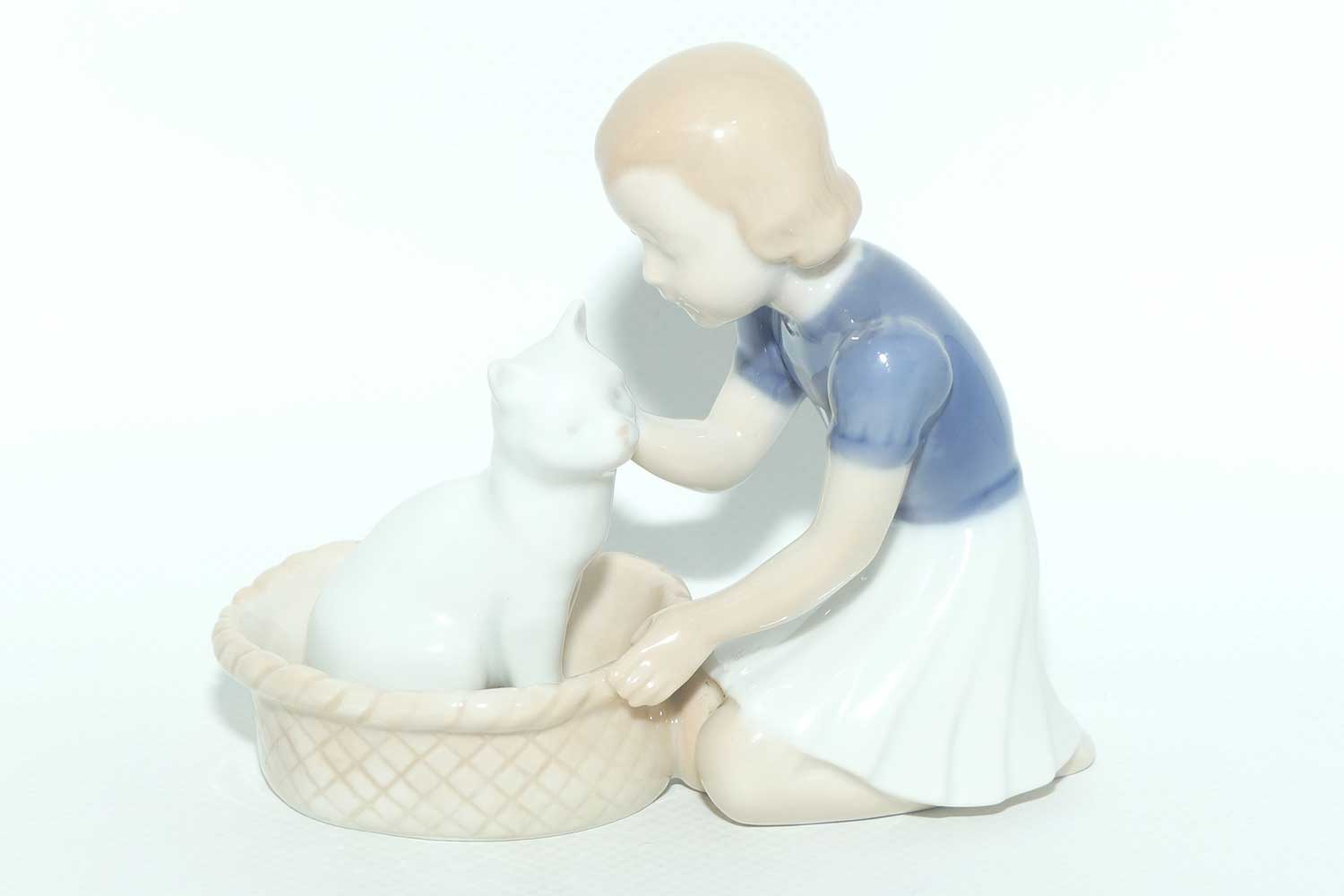
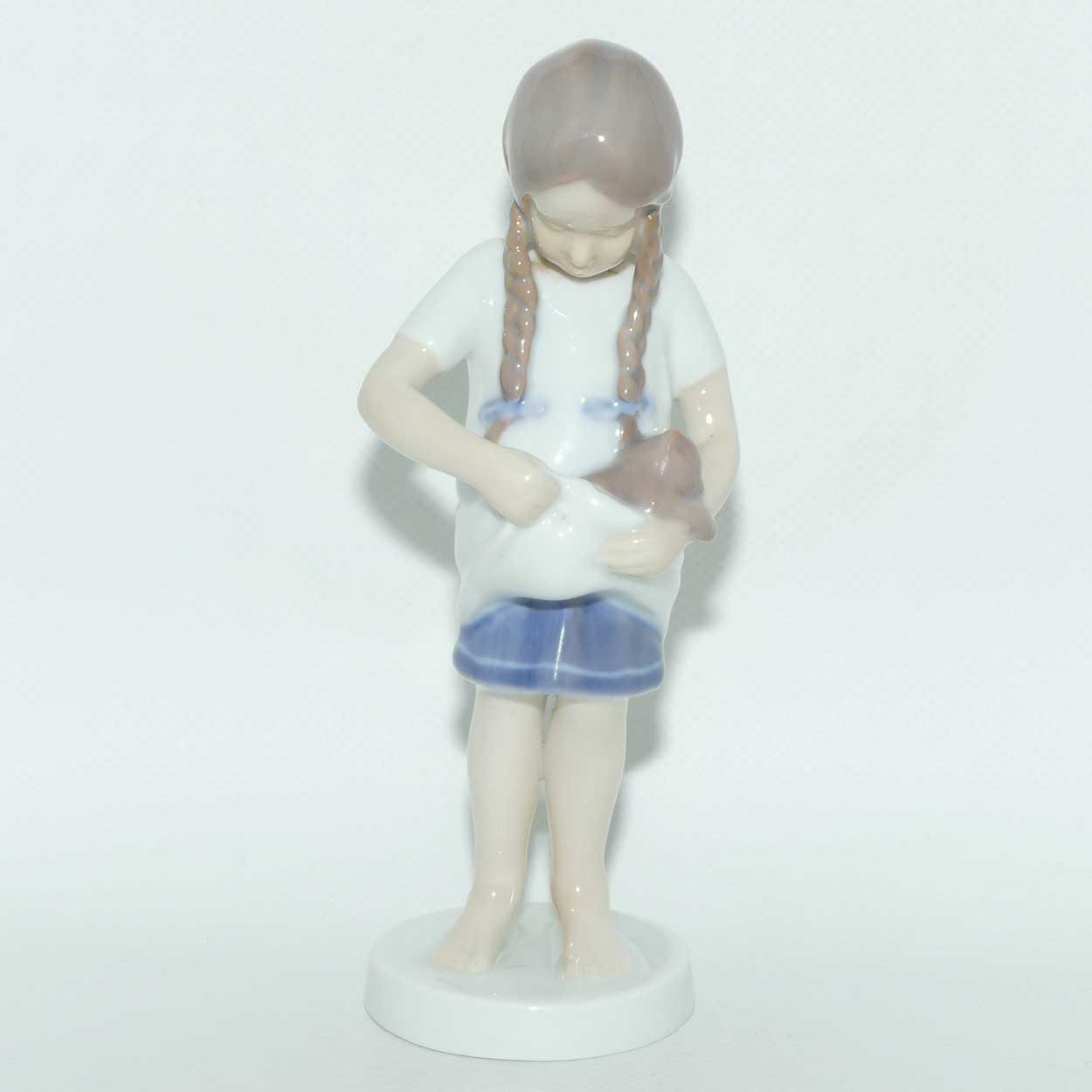
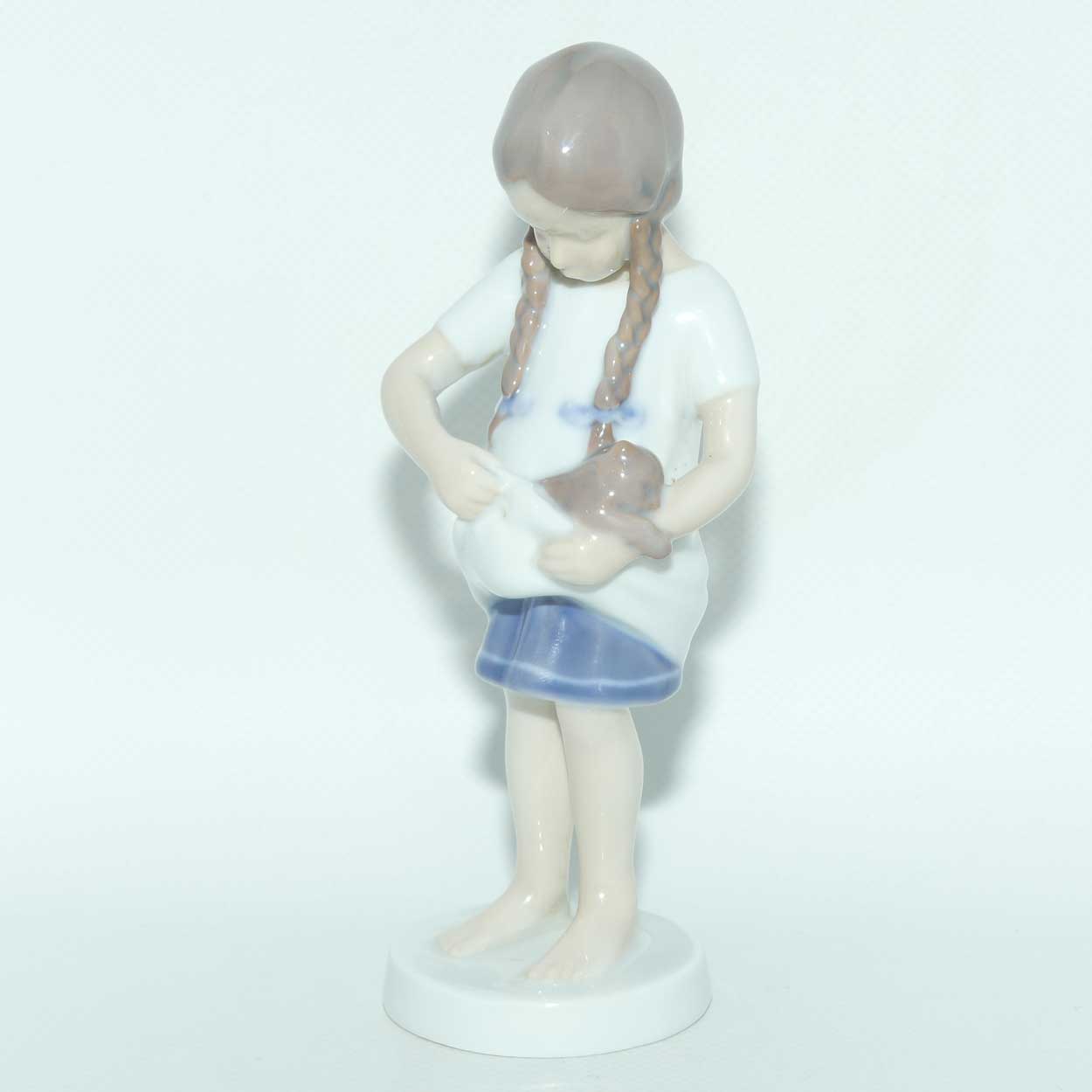
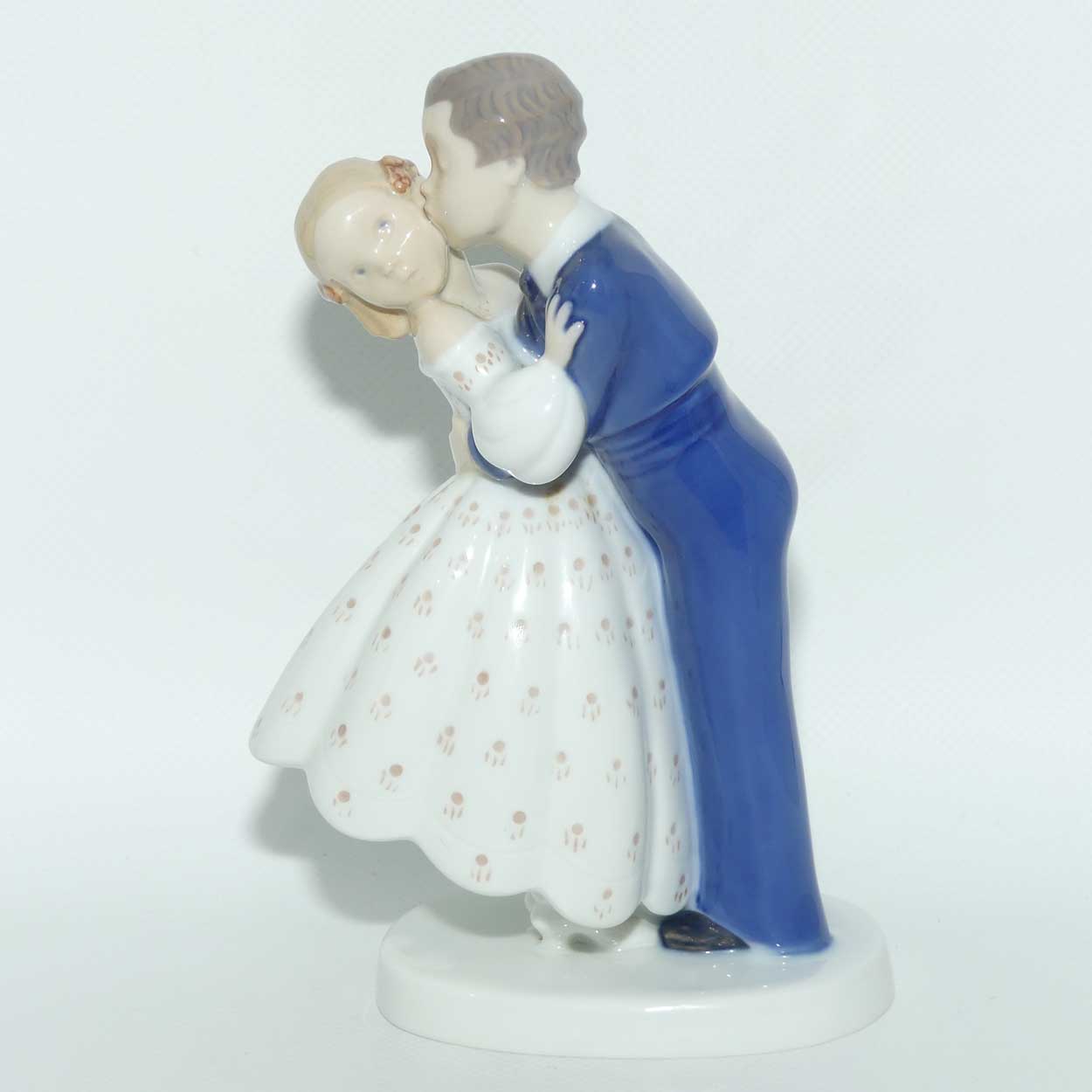
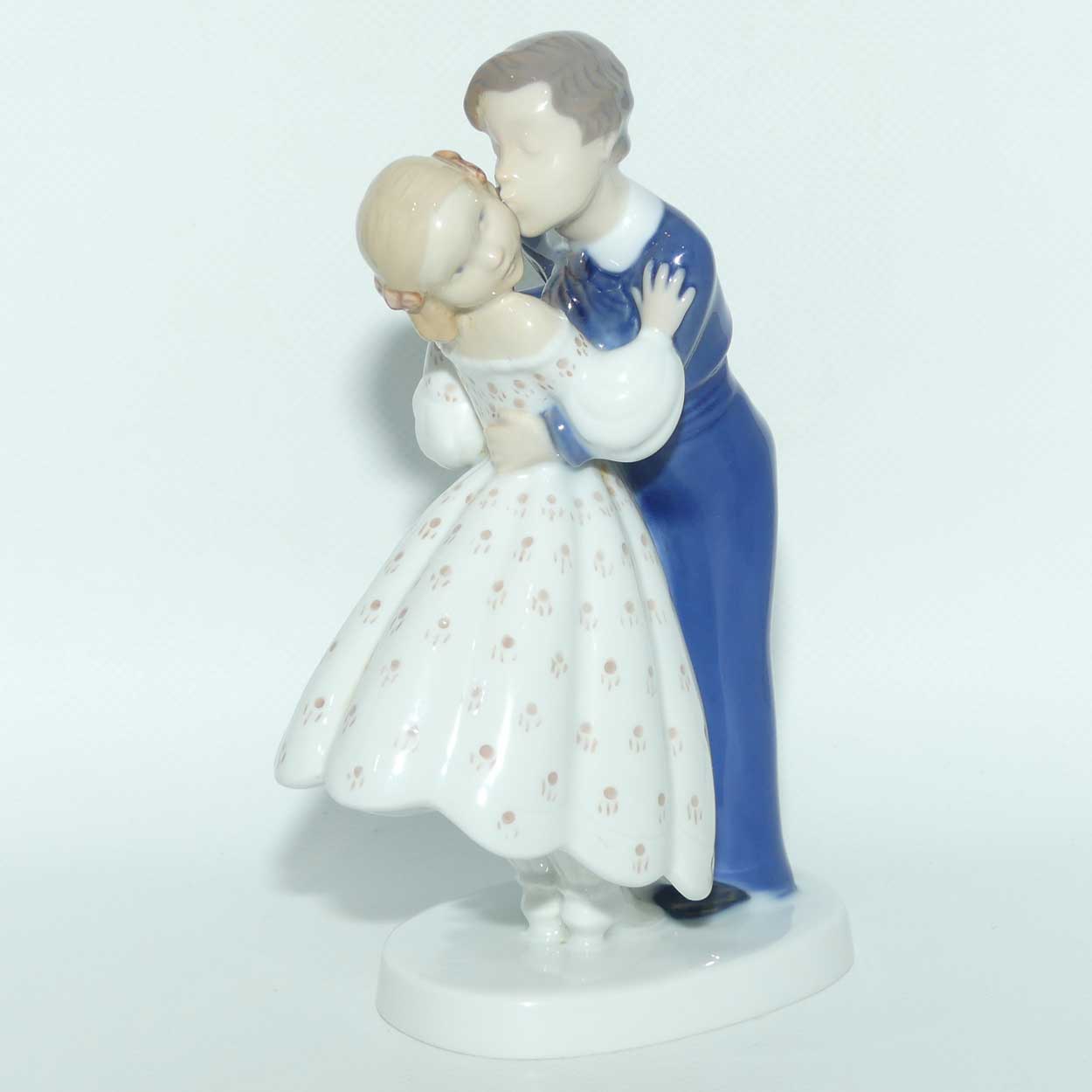
Bing & Grøndahl was a Danish porcelain manufacturer and was founded on 15 April 1853 by Frederik Vilhelm Grøndahl, who was a figurine maker for the Royal Danish Porcelain Factory, and the Bing brothers, who were art and book dealers. The factory was located on the corner of Vesterbrogade and Rahbek Allé in the Vesterbro area, at that time outside the city of Copenhagen, Denmark. Grøndahl initially began the company to produce biscuit porcelain figurines modelled on the neoclassical sculptures of Bertel Thorvaldsen. The company extended production to include elegant tableware and coffee sets - but perhaps is best known for its quality figures, many of which show Art Nouveau or Jugenstil influence.
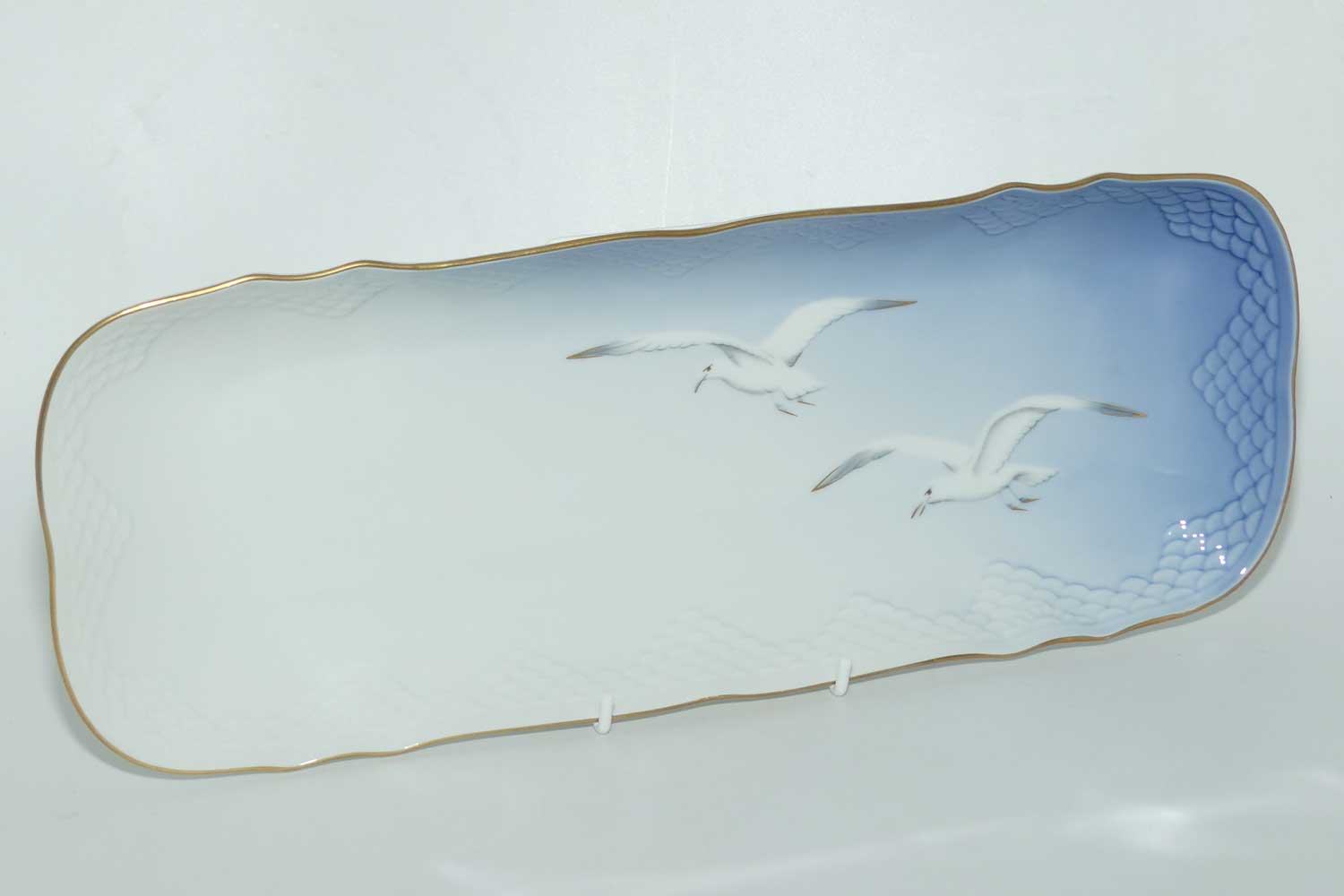
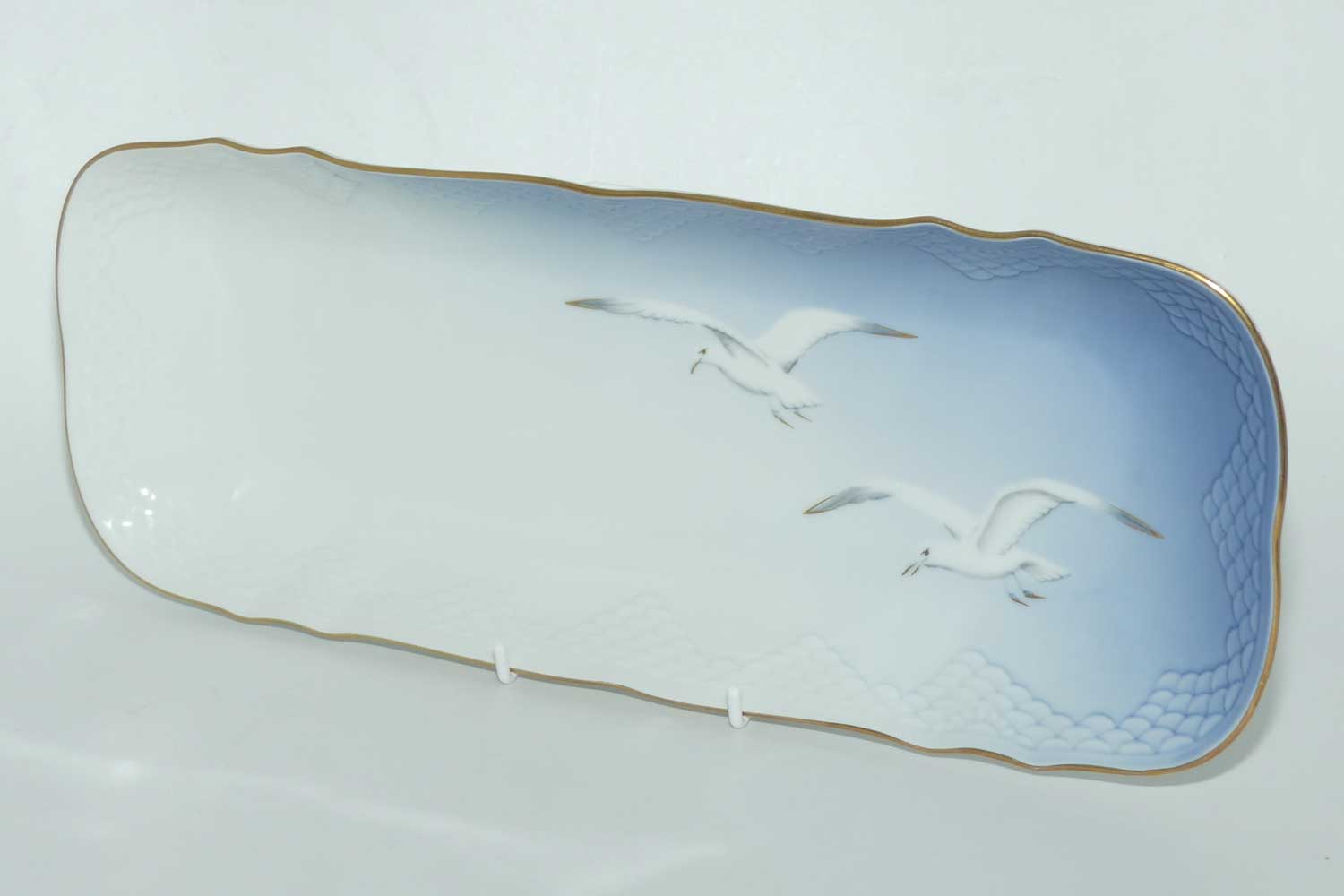
The trademark backstamp for Bing & Grøndahl (B&G) porcelains is the three towers derived from the Coat of Arms of Copenhagen. The company's Seagull dinnerware series became known as the "National Service of Denmark" in the 1950s when it was found in one tenth of all Danish households.
Royal Copenhagen
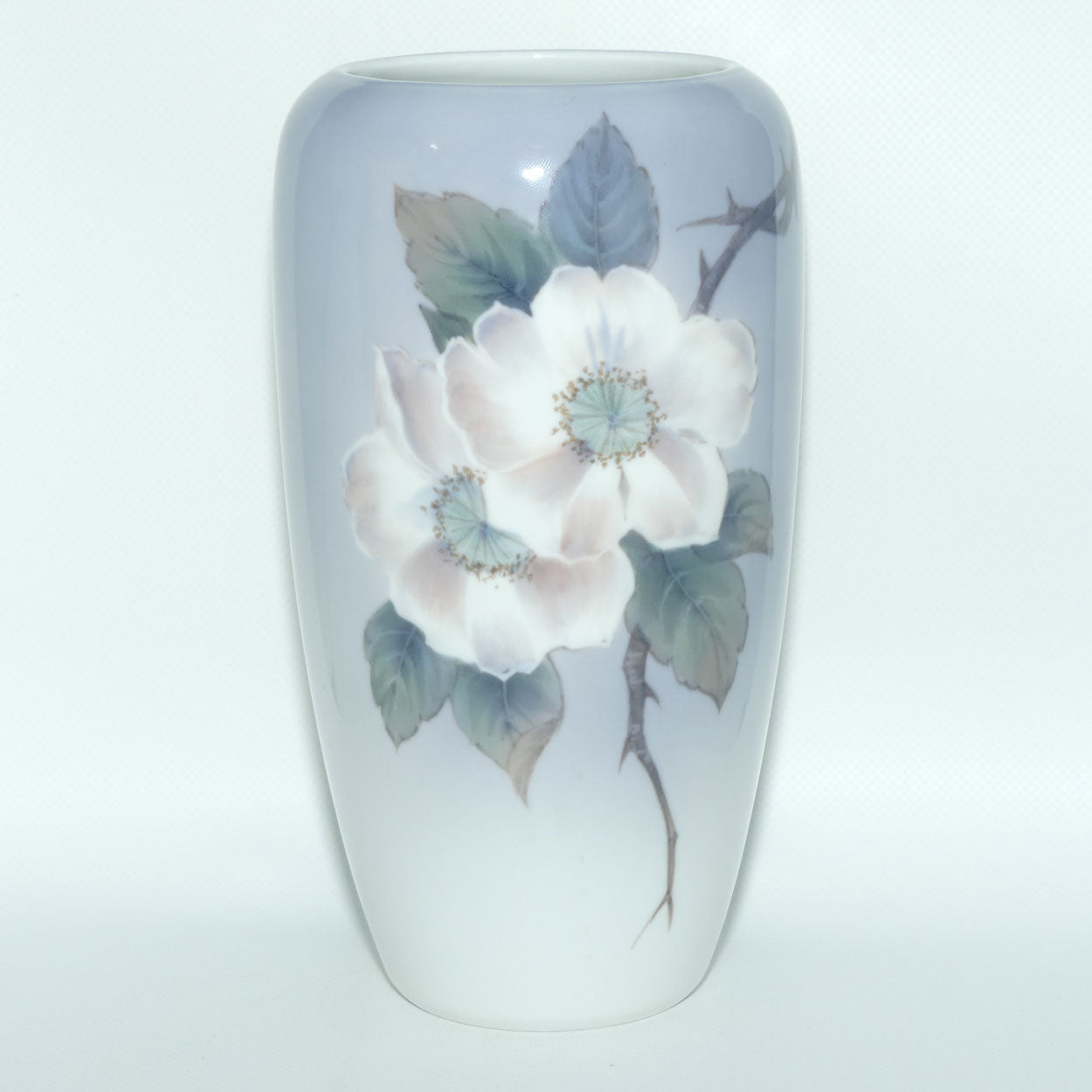
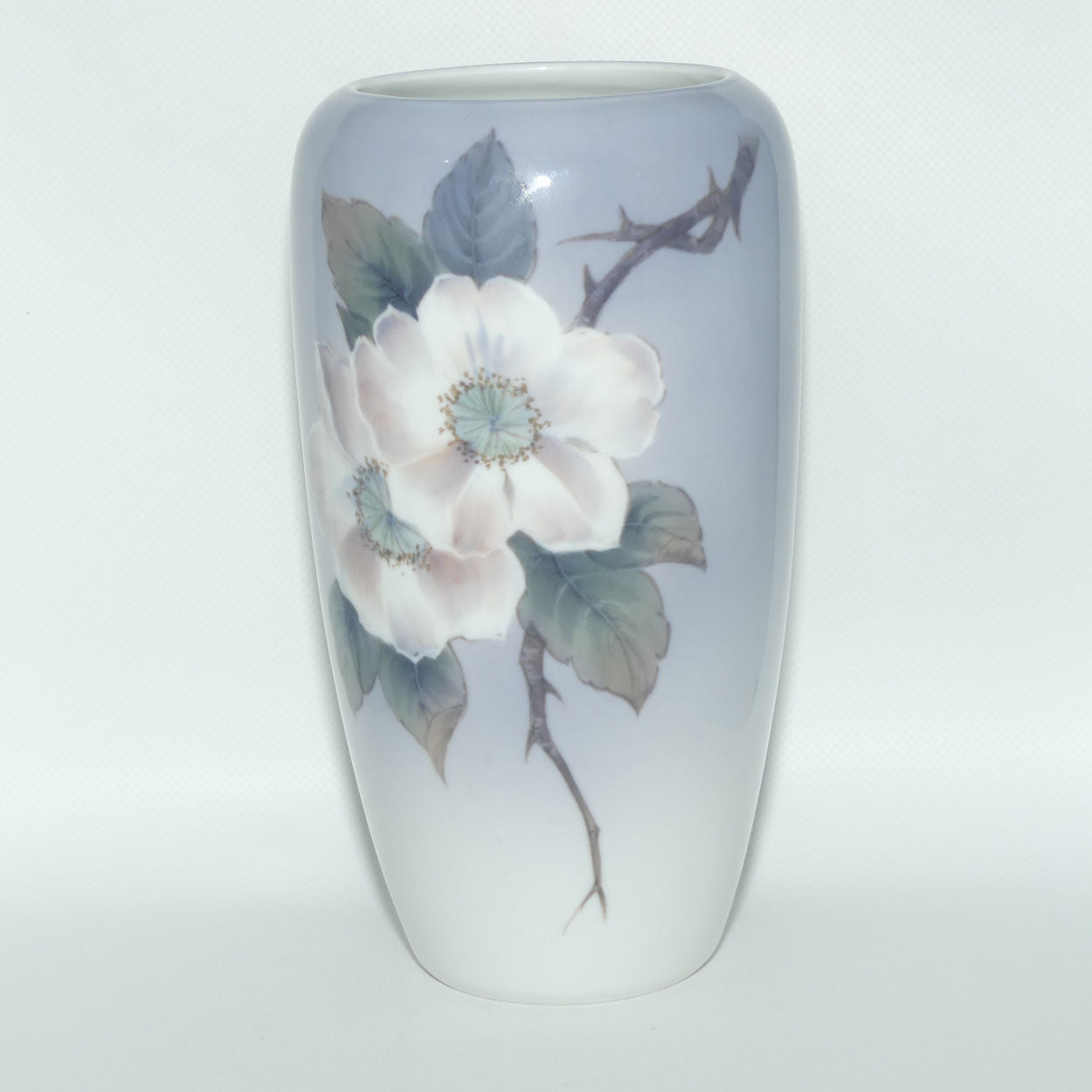
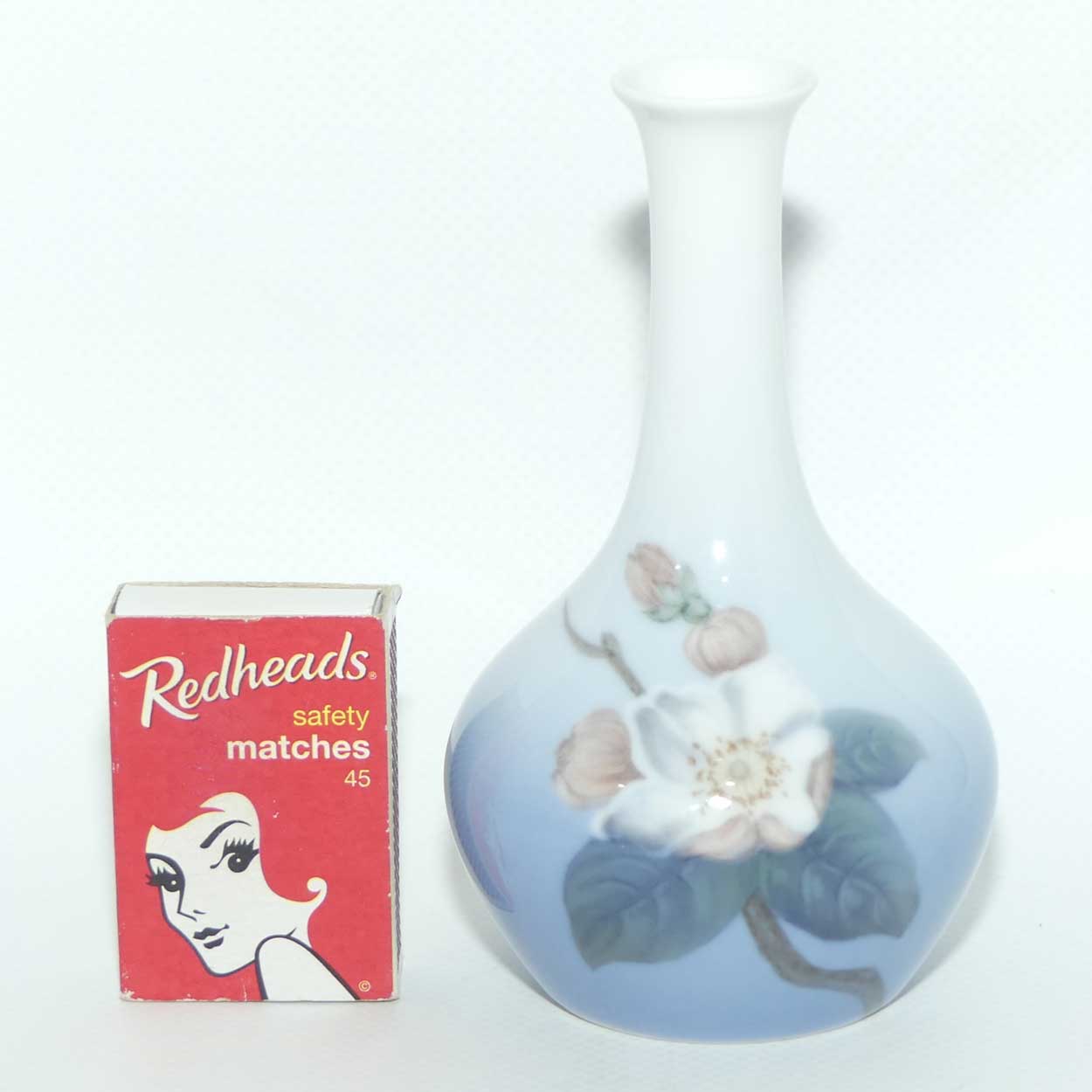
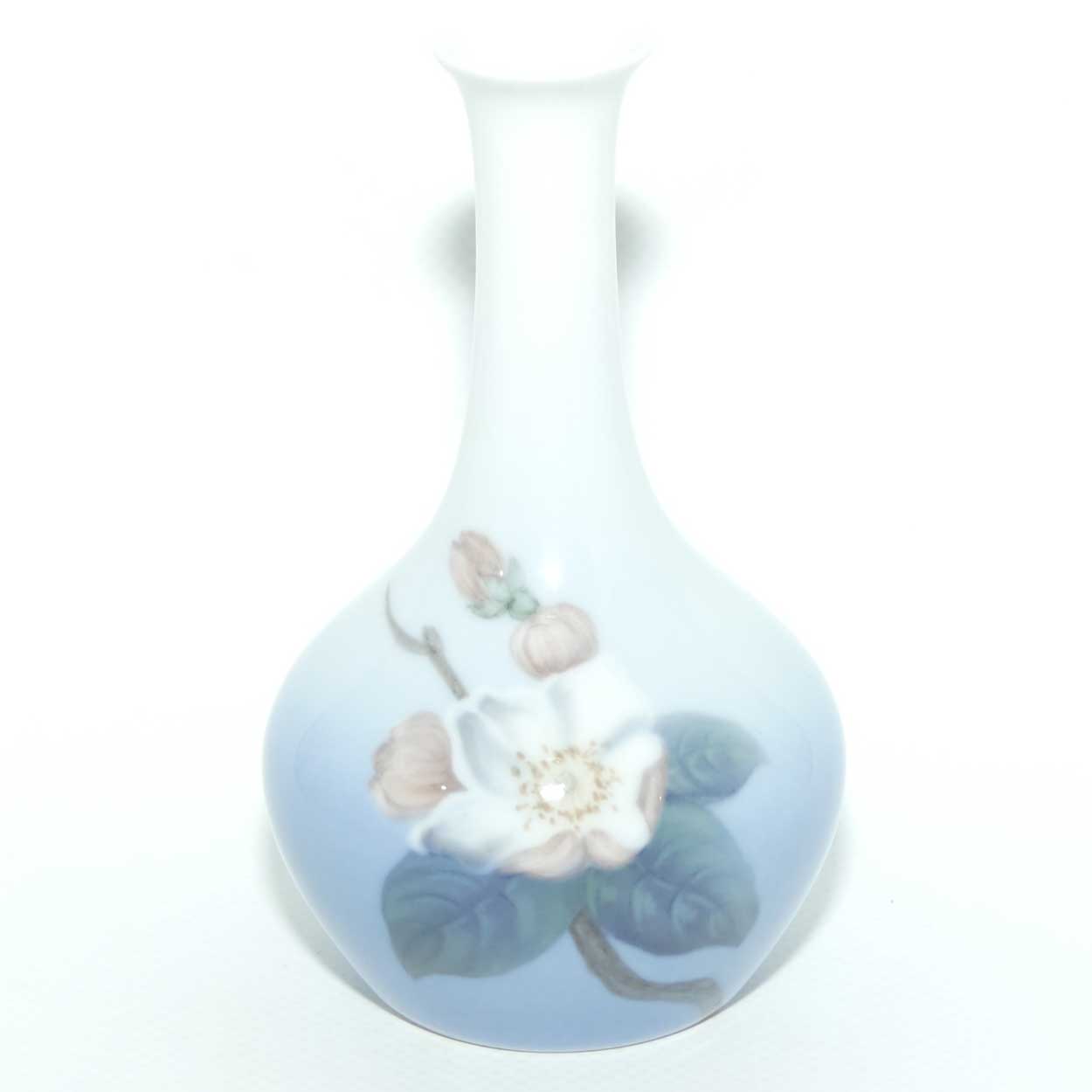
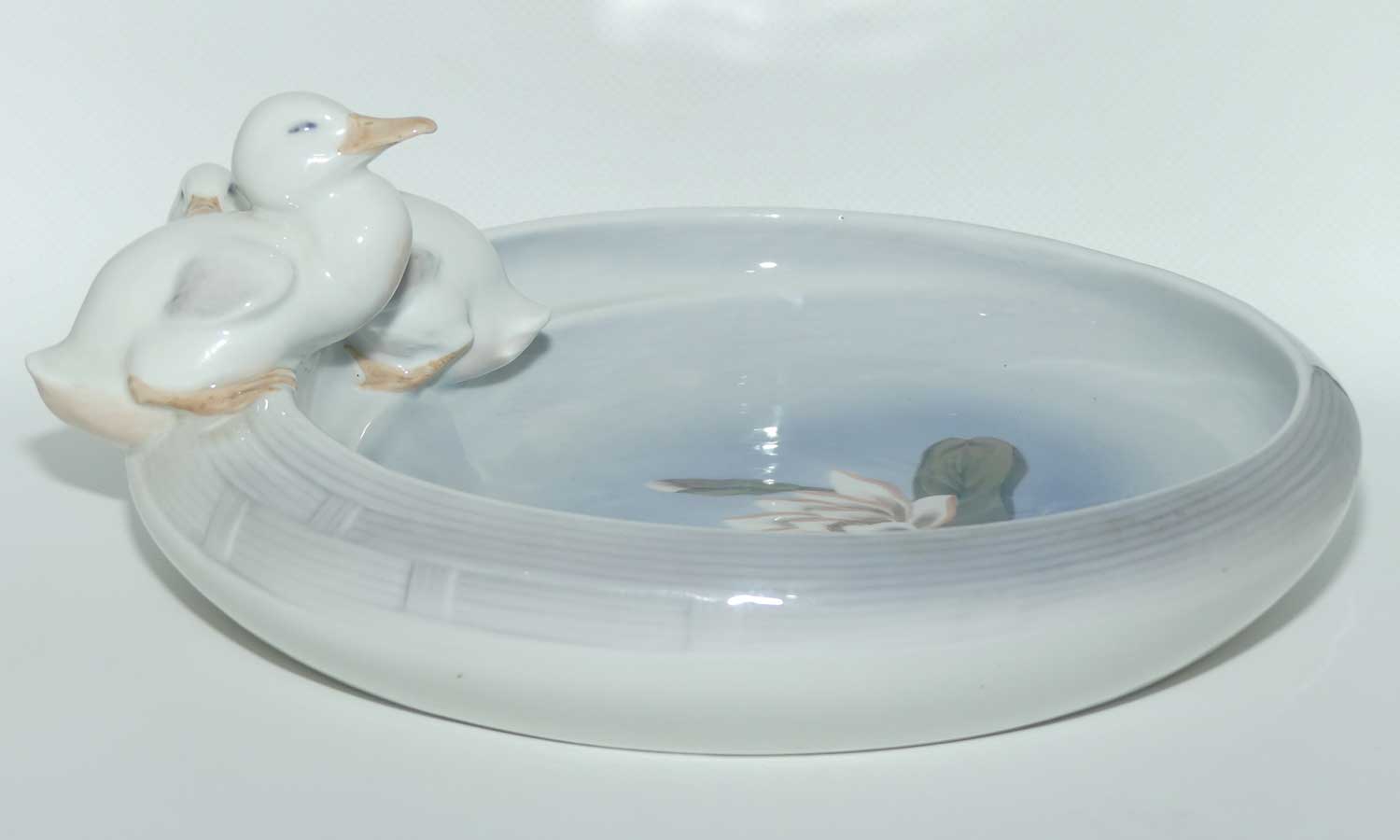
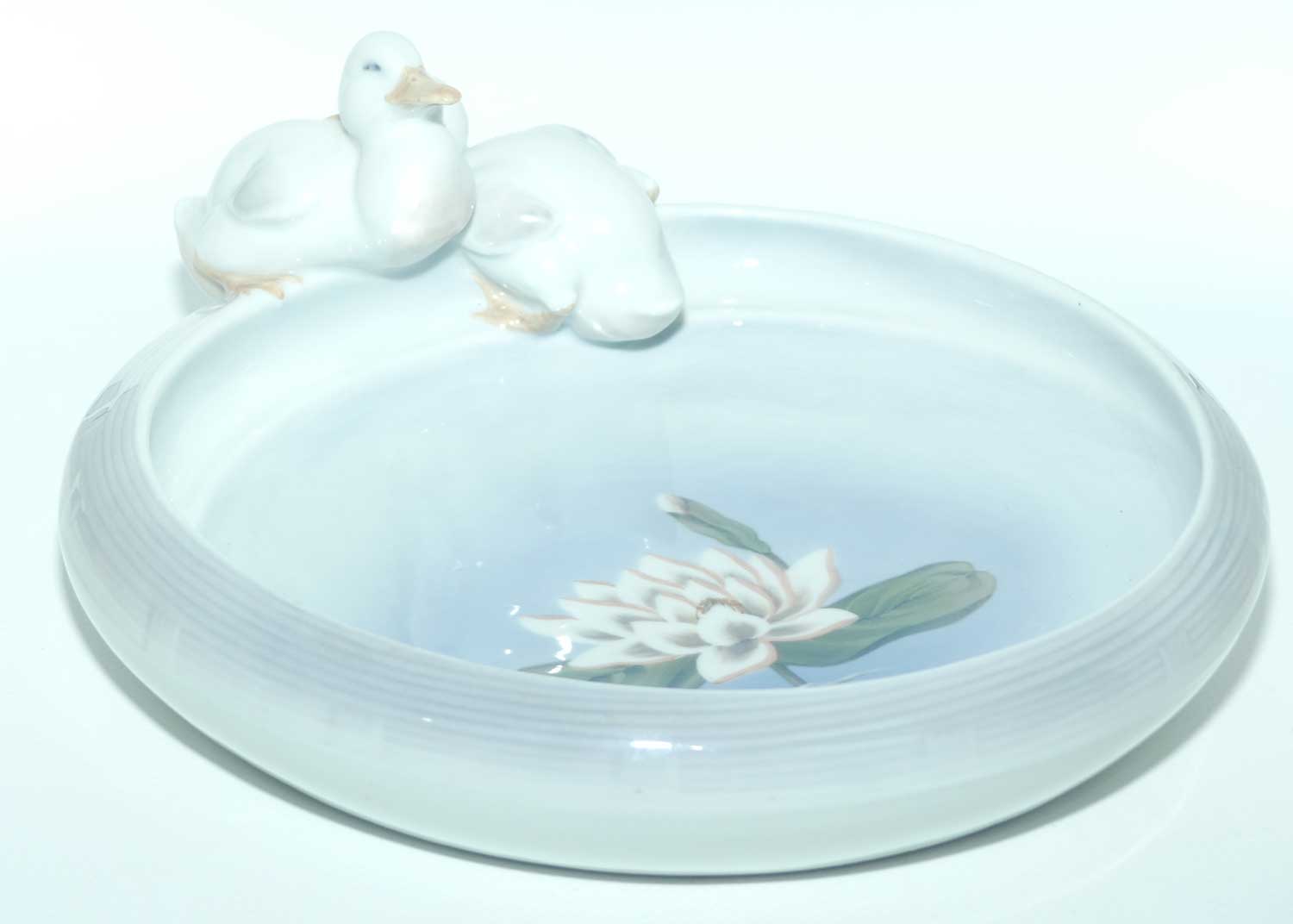
Royal Copenhagen officially the Royal Porcelain Factory, is a Danish manufacturer of porcelain products and was founded in Copenhagen in 1775 under the protection of Danish Dowager Queen Juliane Marie. It is recognized by its factory mark, the three wavy lines above each other, symbolizing Denmark's three water ways: Storebælt, Lillebælt and Øresund.
In 1987 Bing and Grondahl and Royal Copenhagen merged under the name Royal Copenhagen - so we display both Royal Copenhagen and Bing and Grondahl in this collection as a result