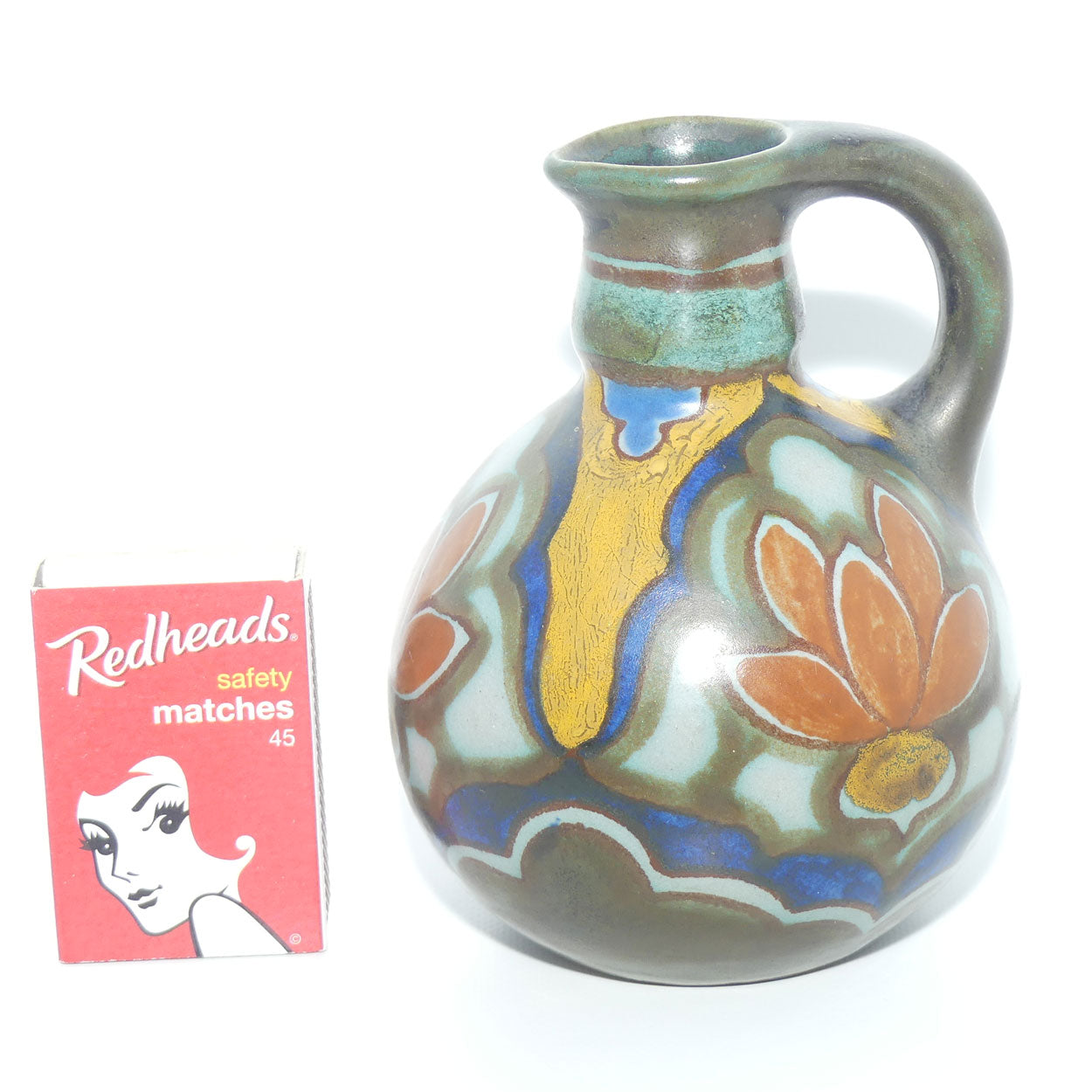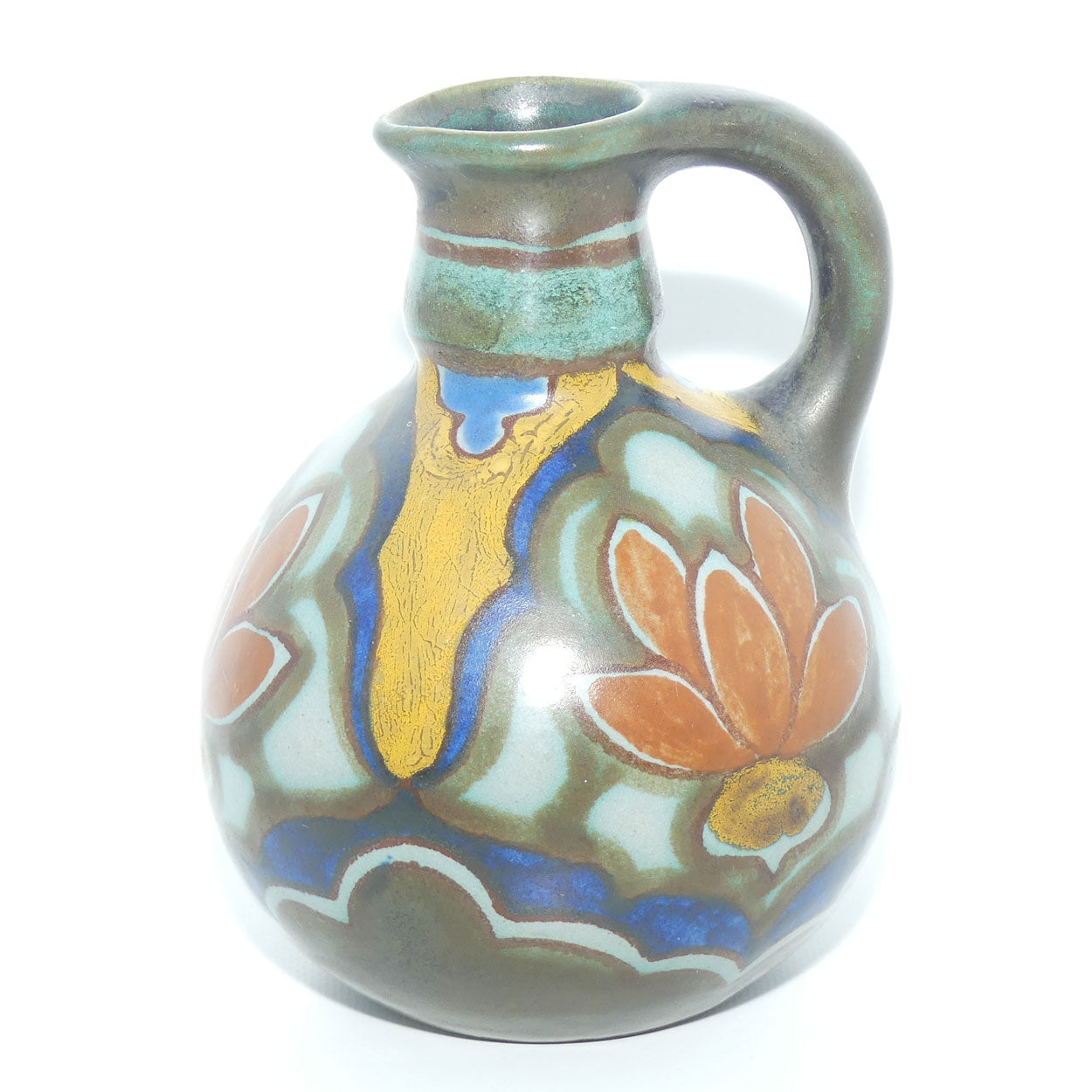
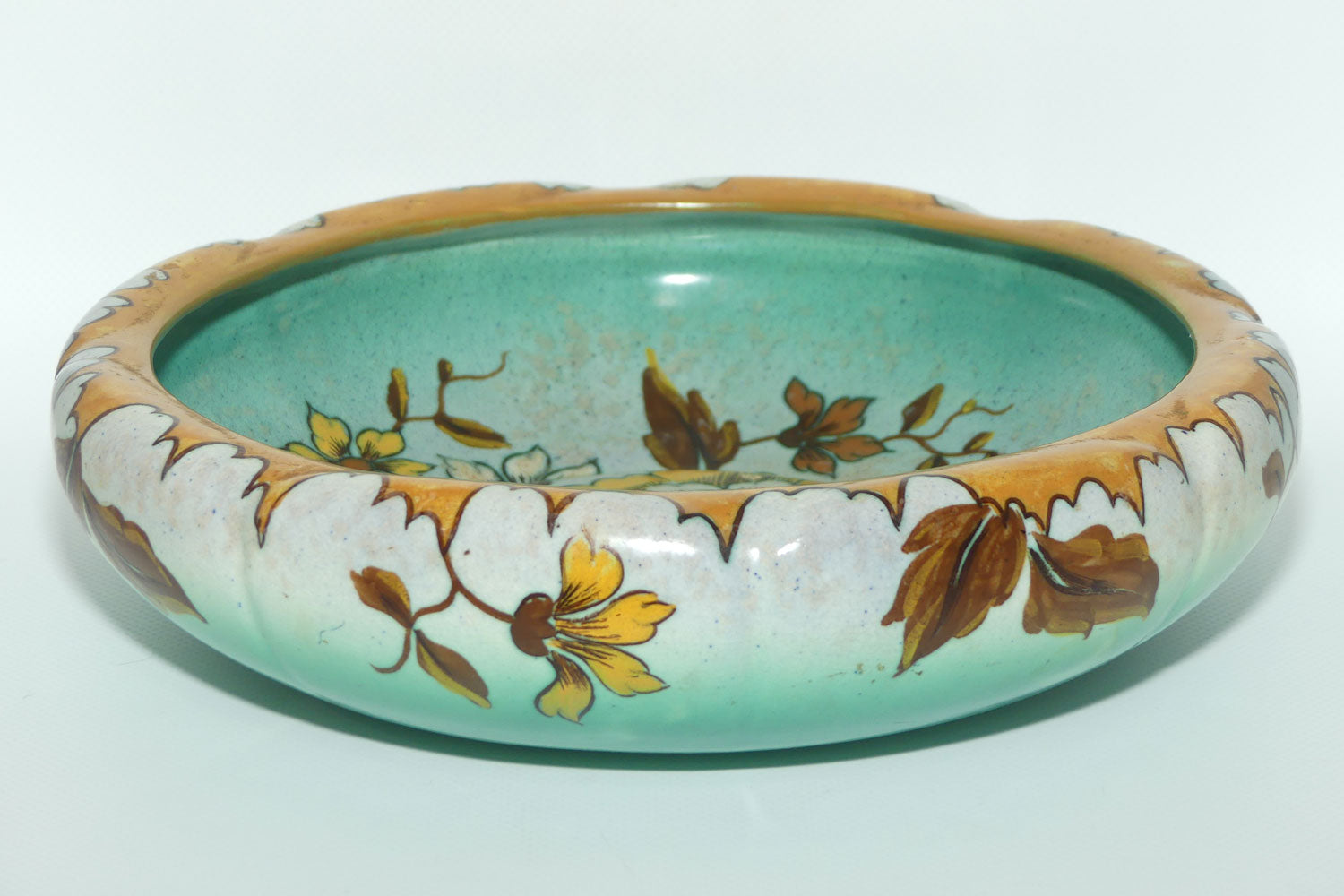
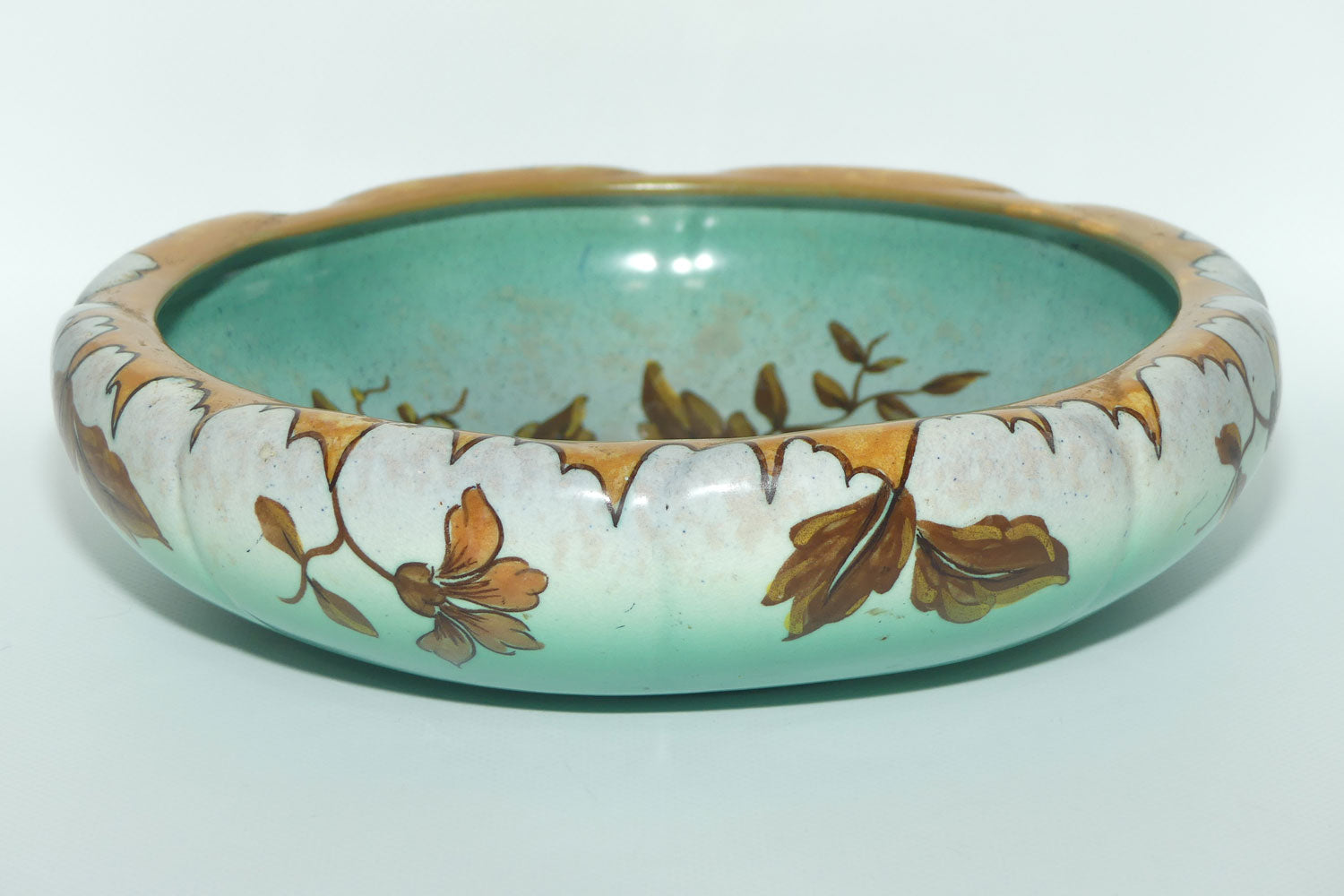
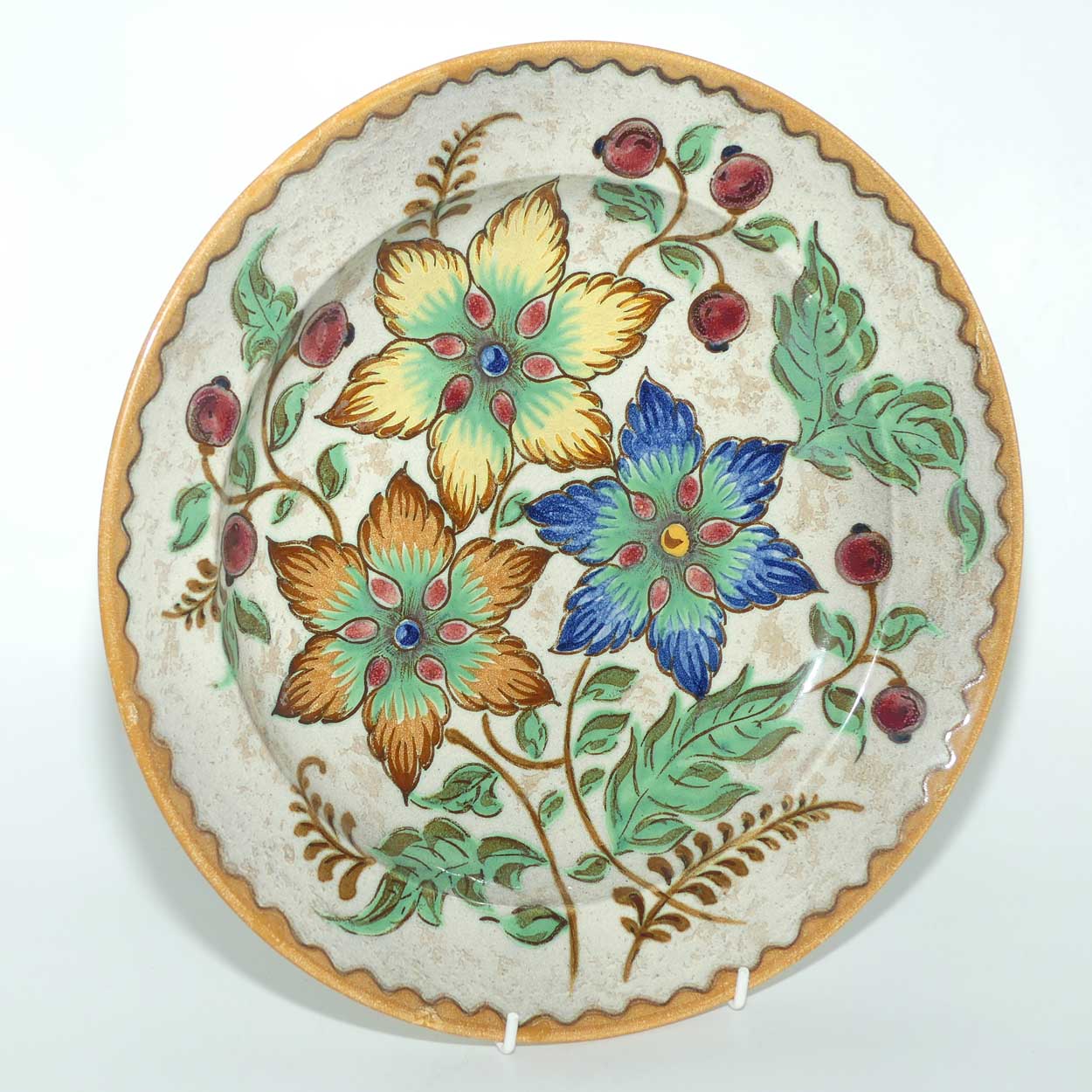
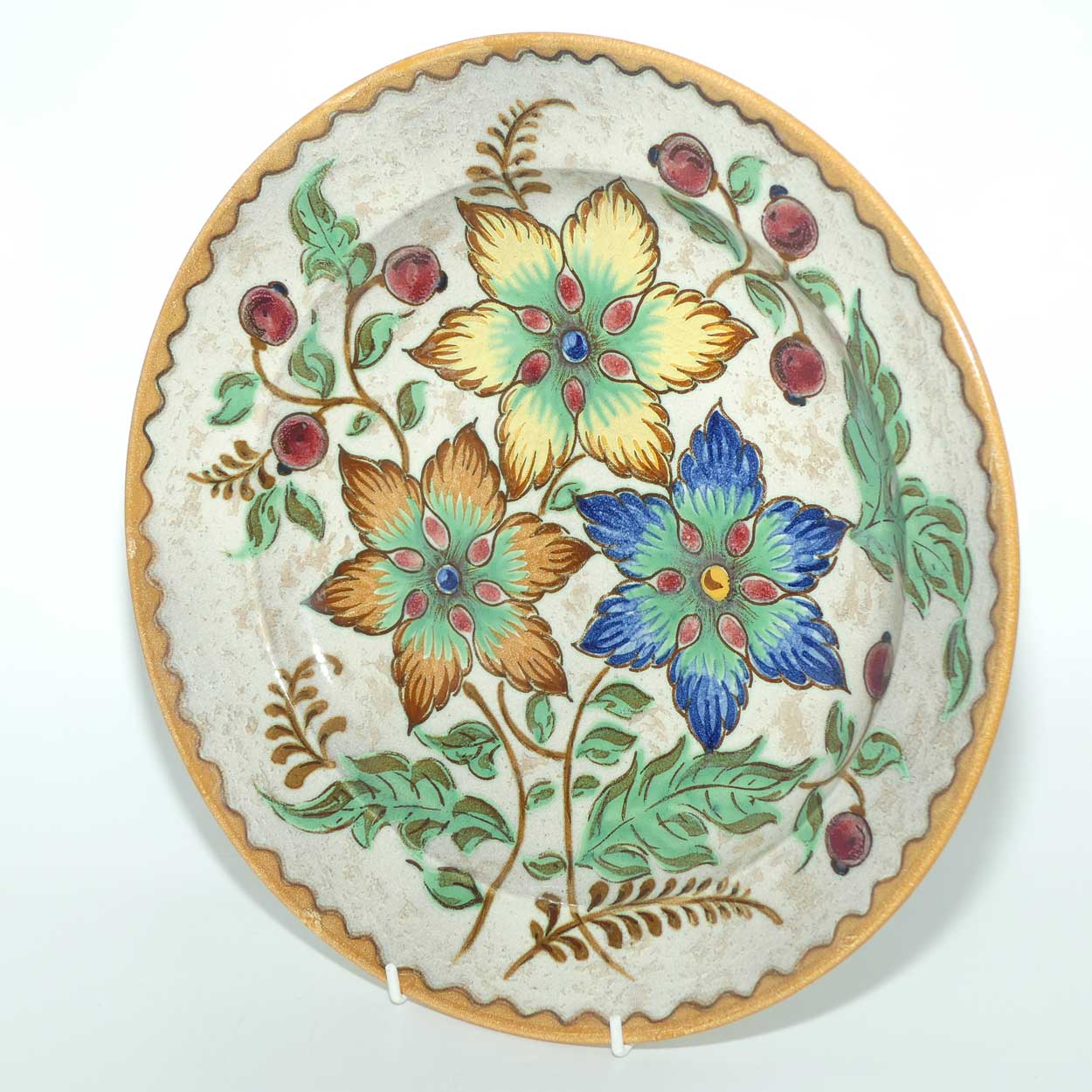
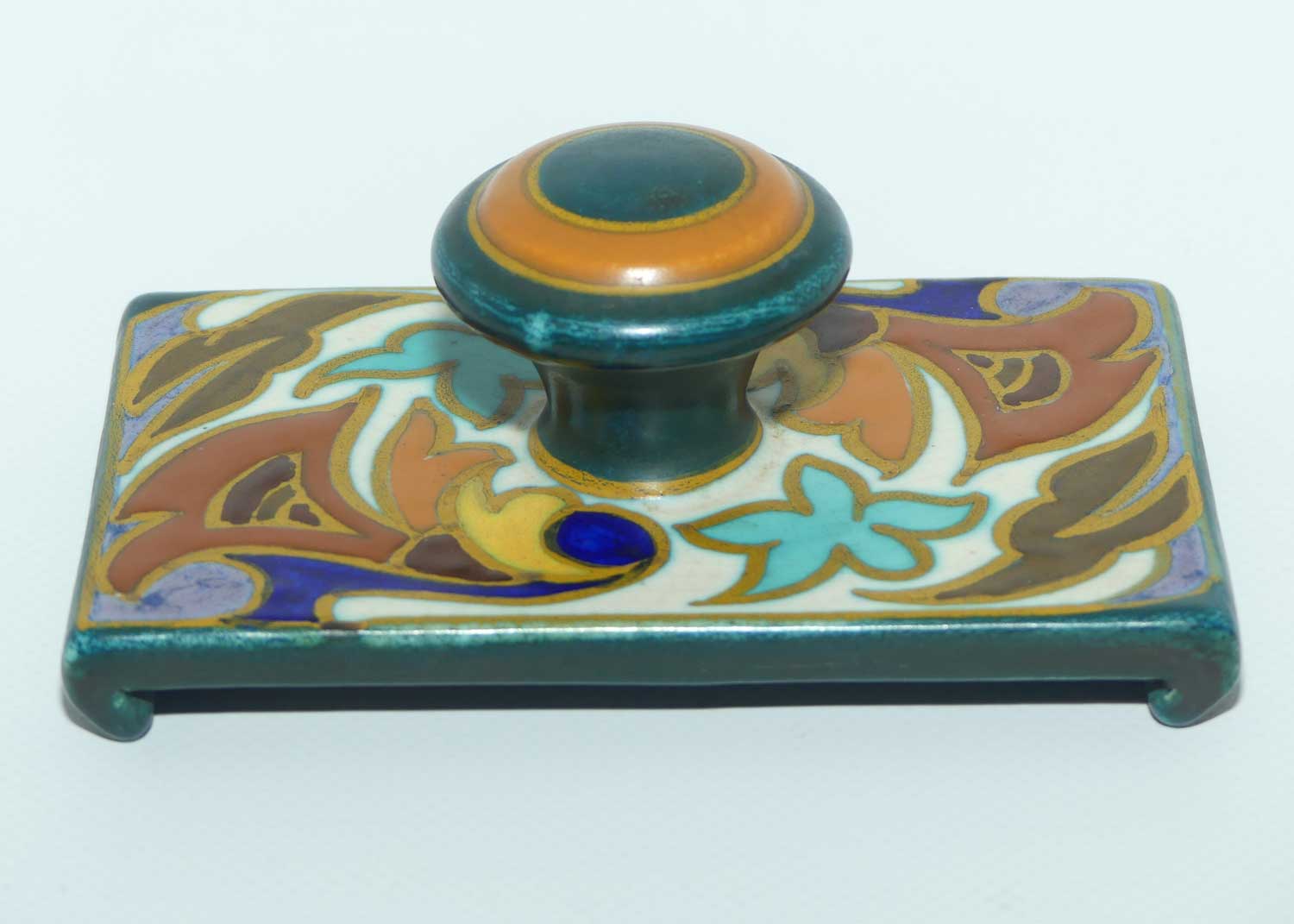
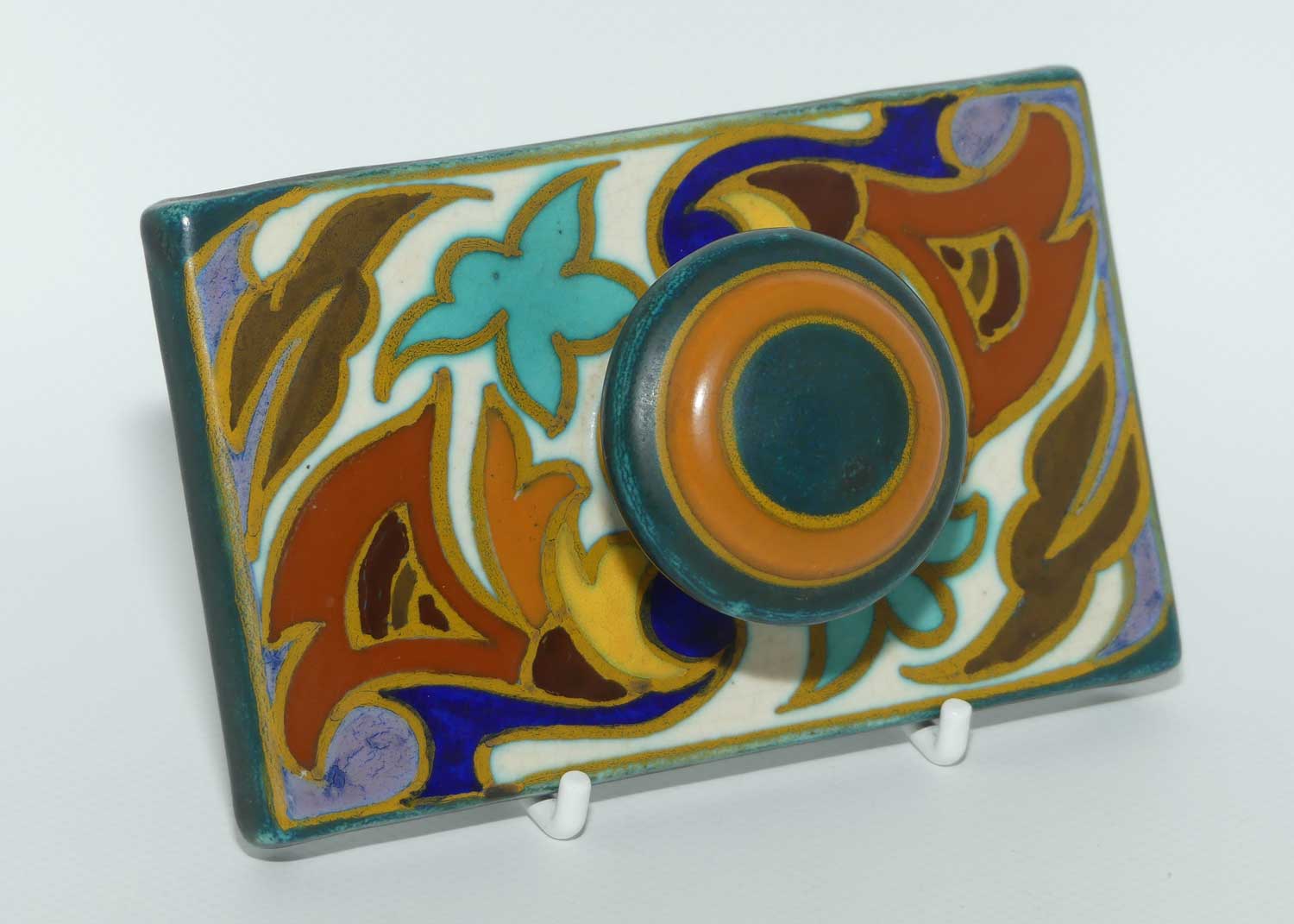
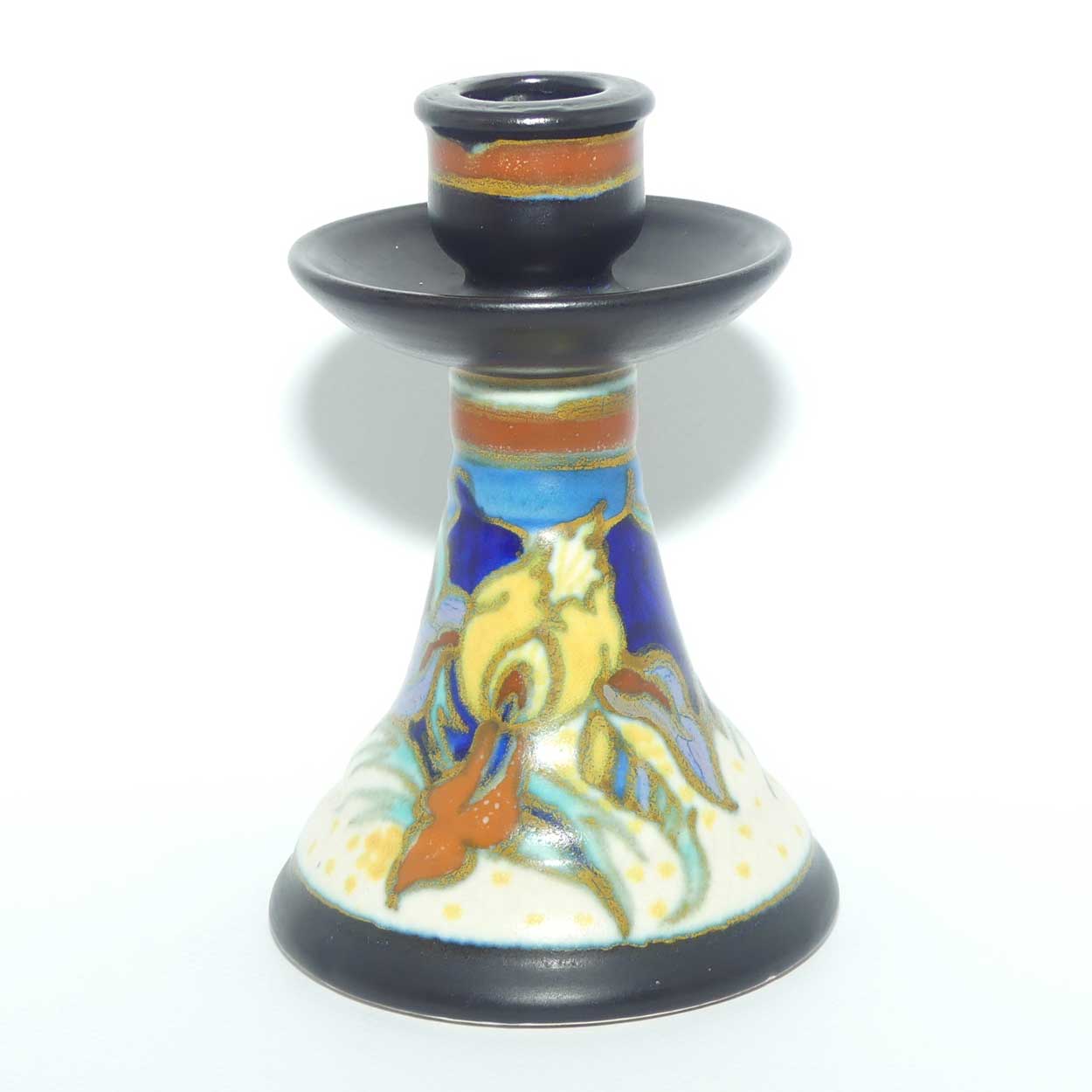
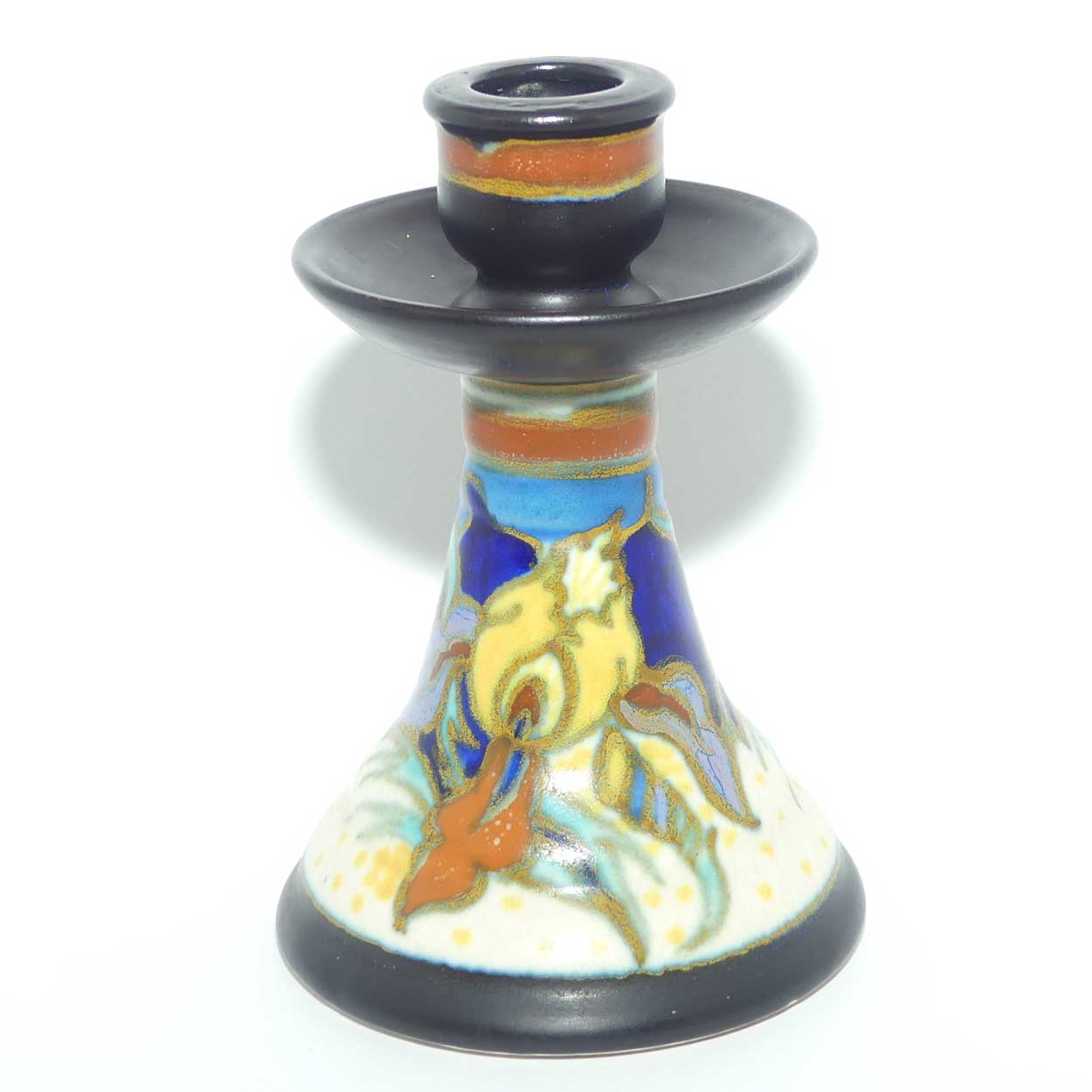
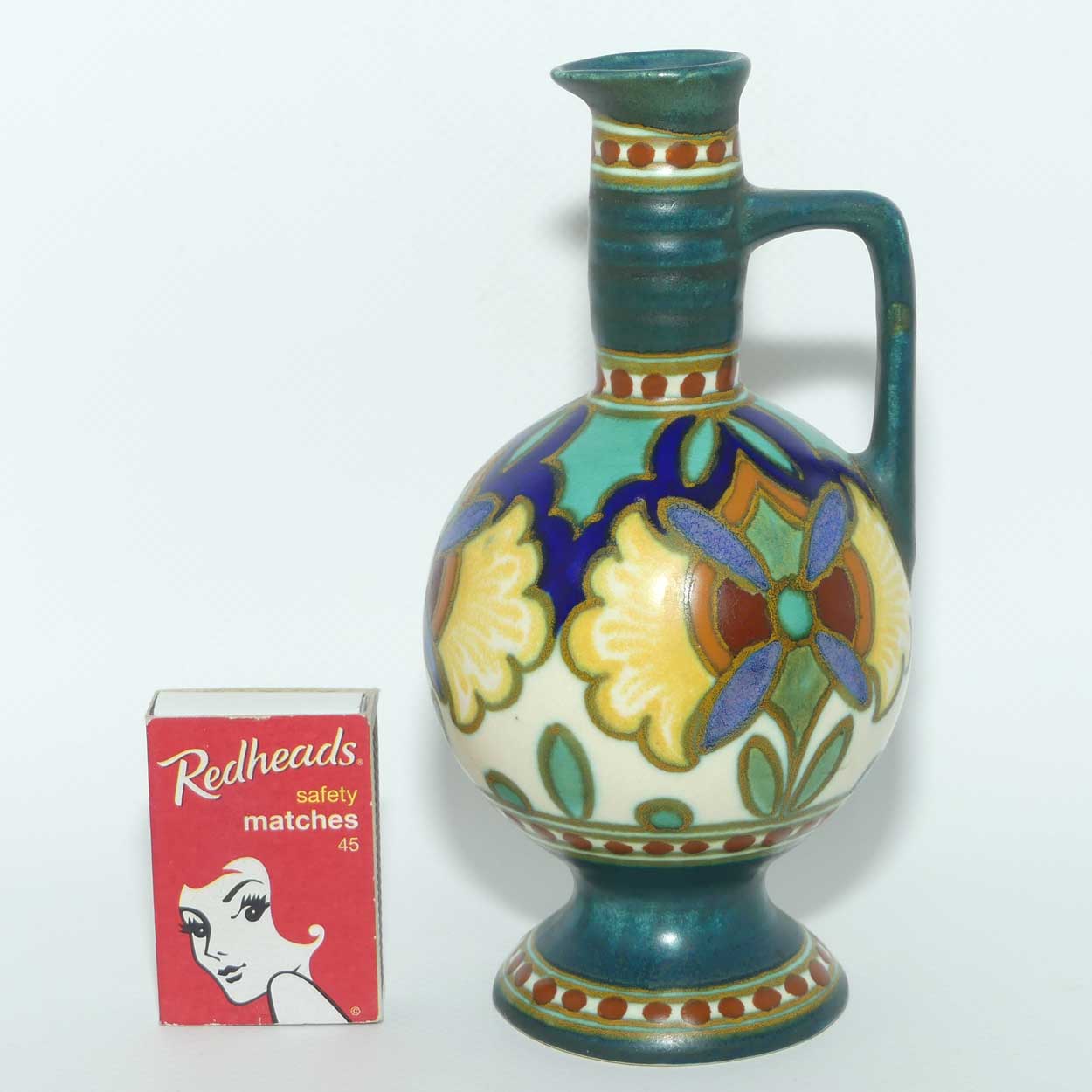
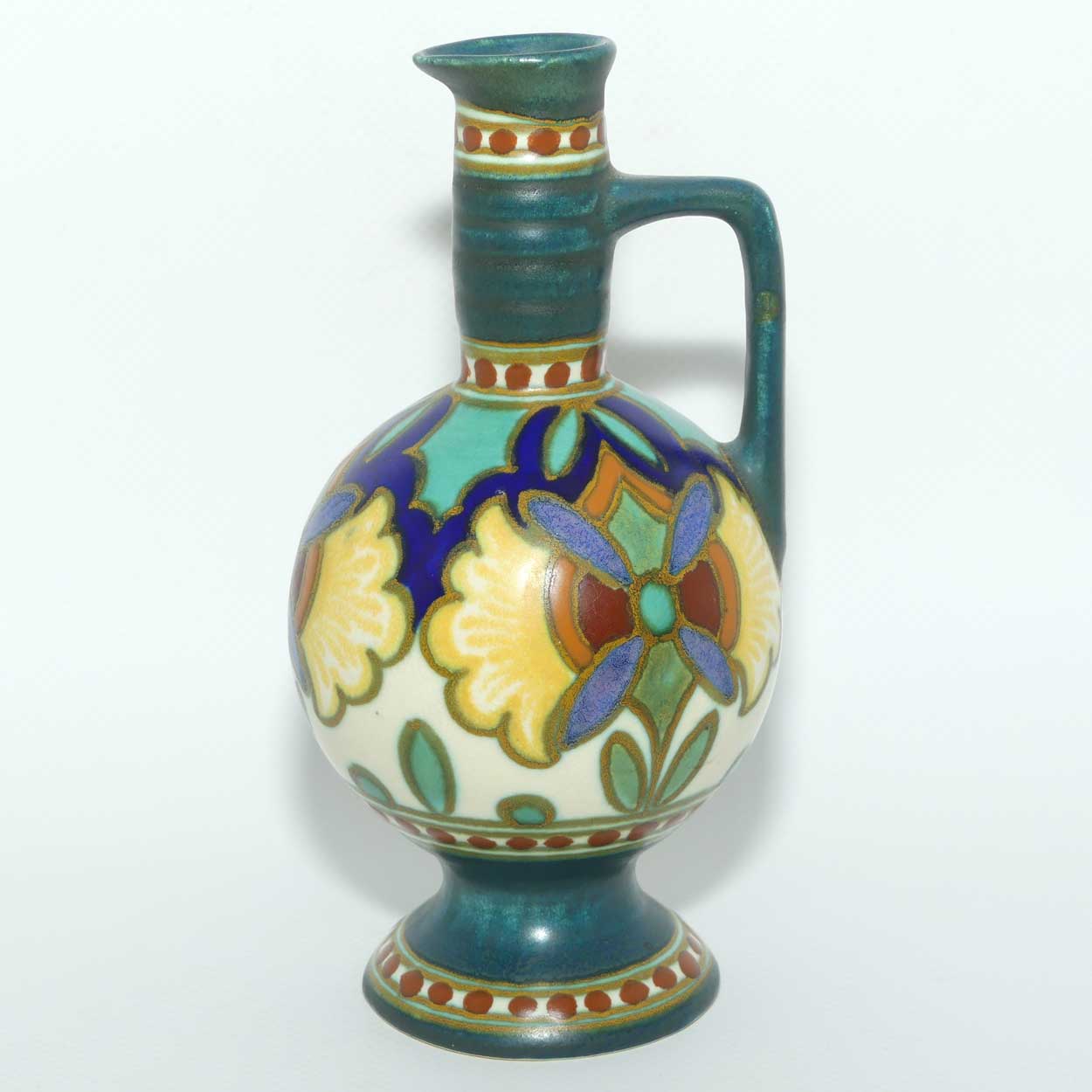
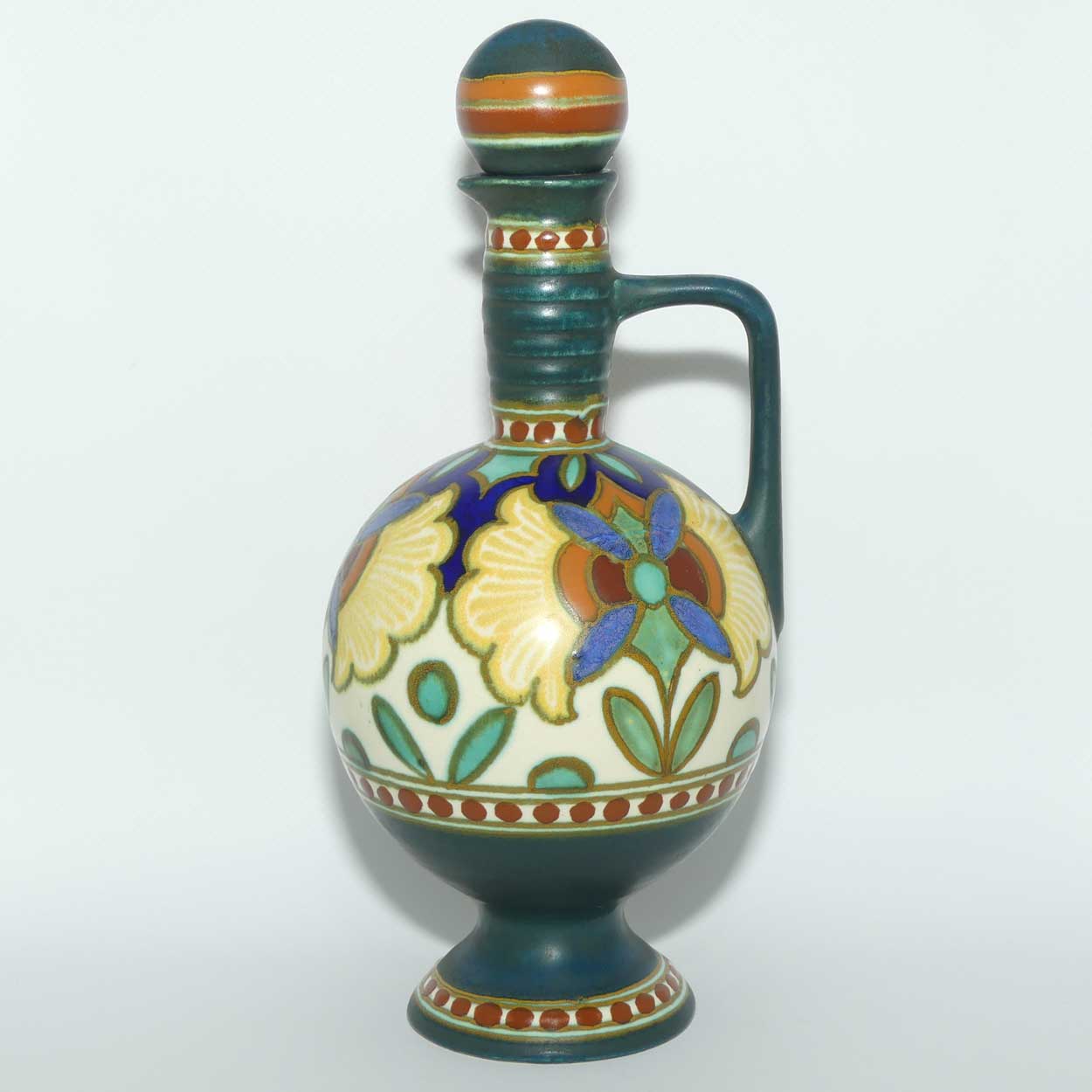
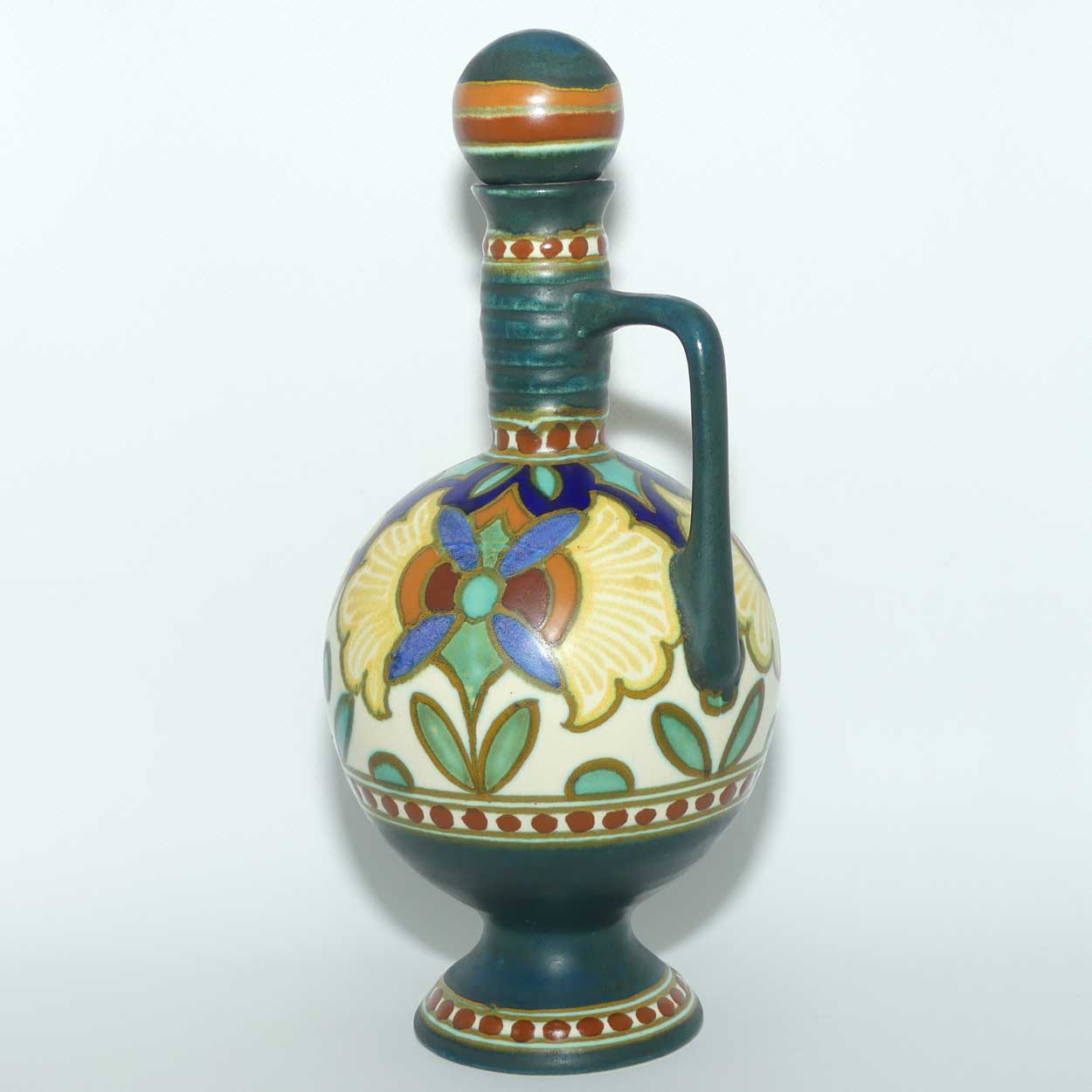
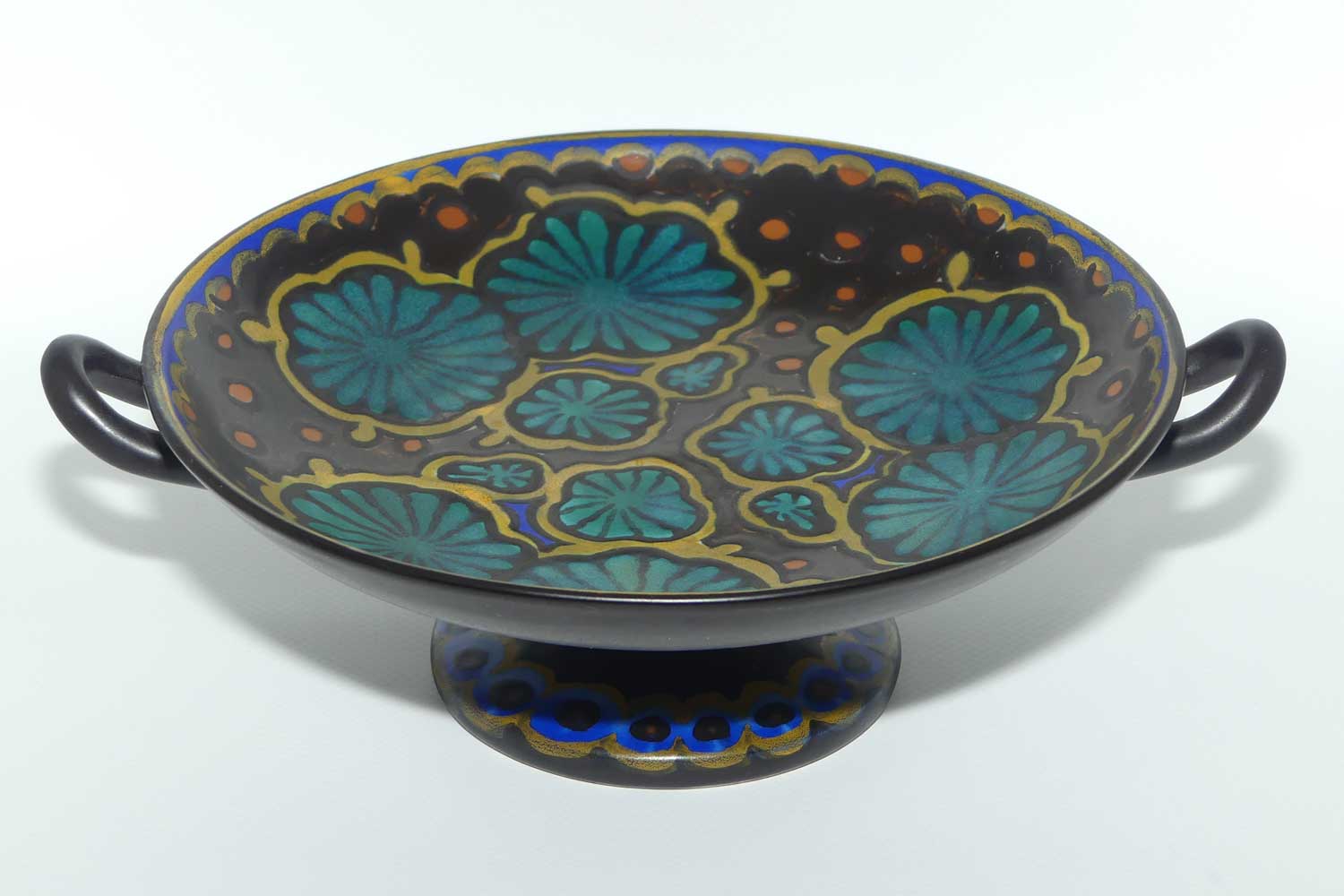
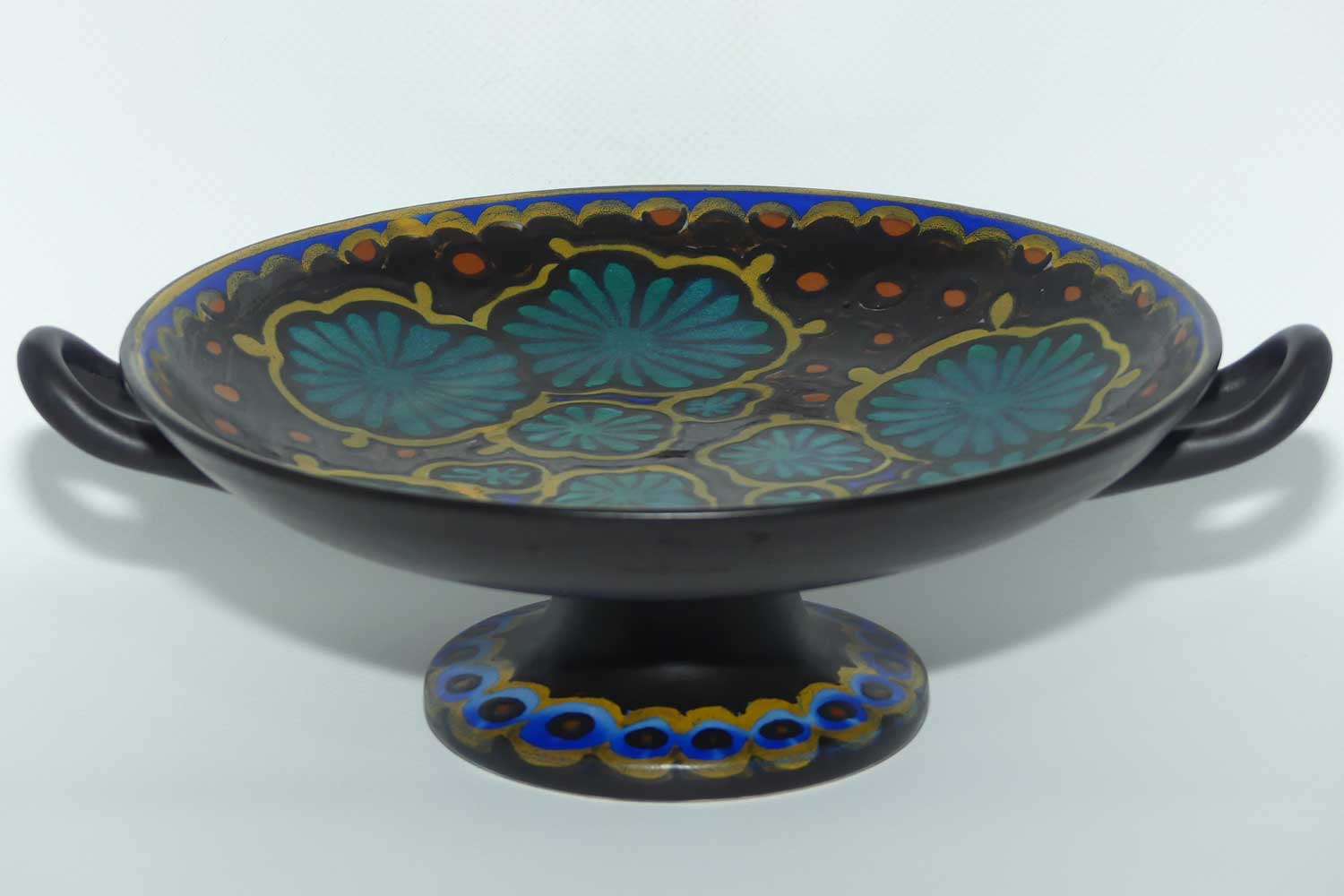
Gouda is a style of Dutch pottery named after the city of Gouda, where it was historically manufactured. Gouda (pronounced ‘how-da’) is the generic term we use for all the pottery factories in Holland – all Dutch pottery other than Delftware, that is. Gouda pottery gained worldwide prominence in the early 20th century and remains highly desirable to collectors today.
This style of pottery was pioneered in about 1898 by a company called Plateelbakkerij Zuid-Holland, or PZH. That wasn’t made until about 1910 when they discovered a new process to produce matte glazed pottery. Gouda pottery is diverse and visually distinctive in appearance, typically illustrated with colourful and highly decorated Jugendstil Art Nouveau or Art Deco designs
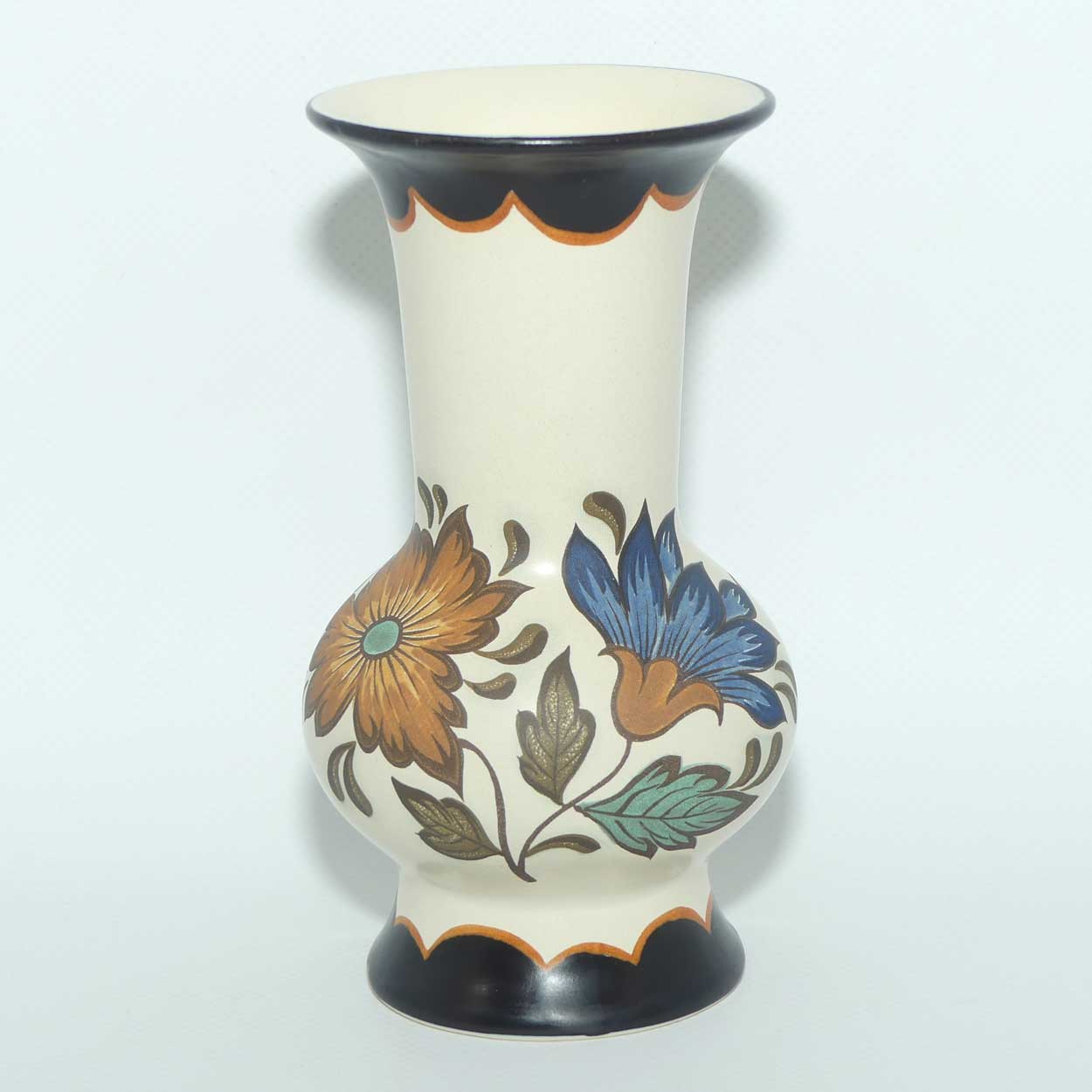
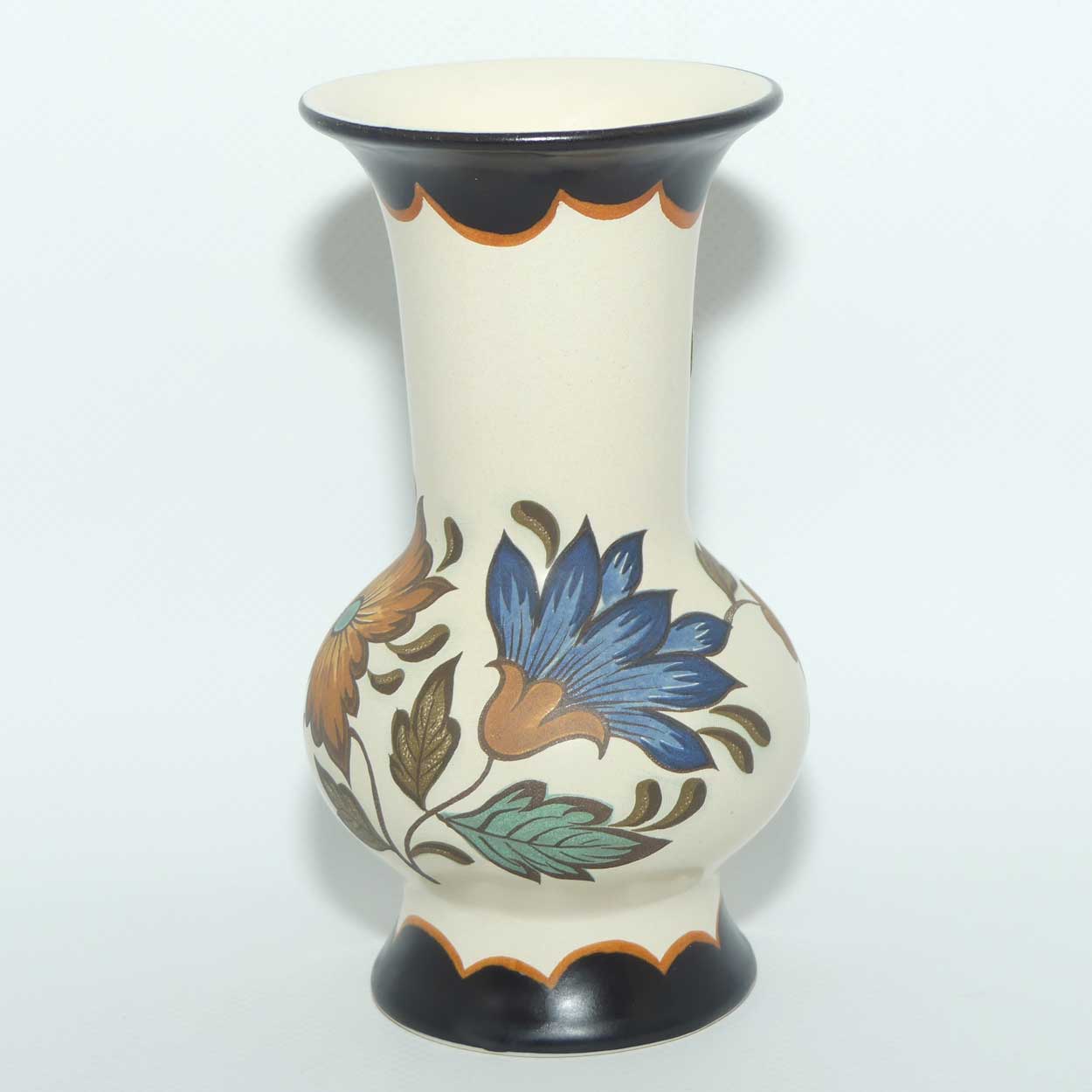
Gouda
Gouda Pottery Holland Flora pattern vase | original label intact
Sale price$ 75.00 AUD
In stock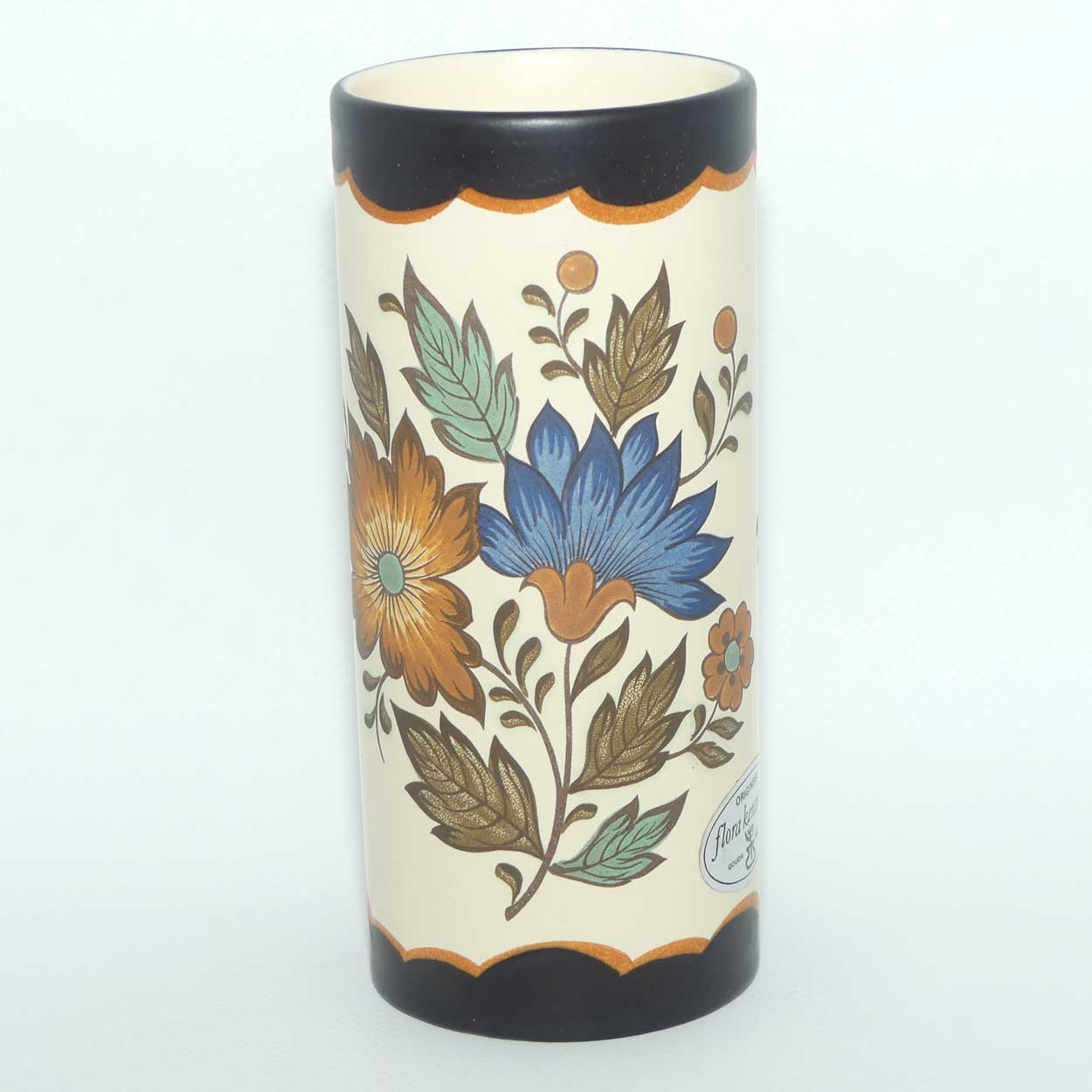
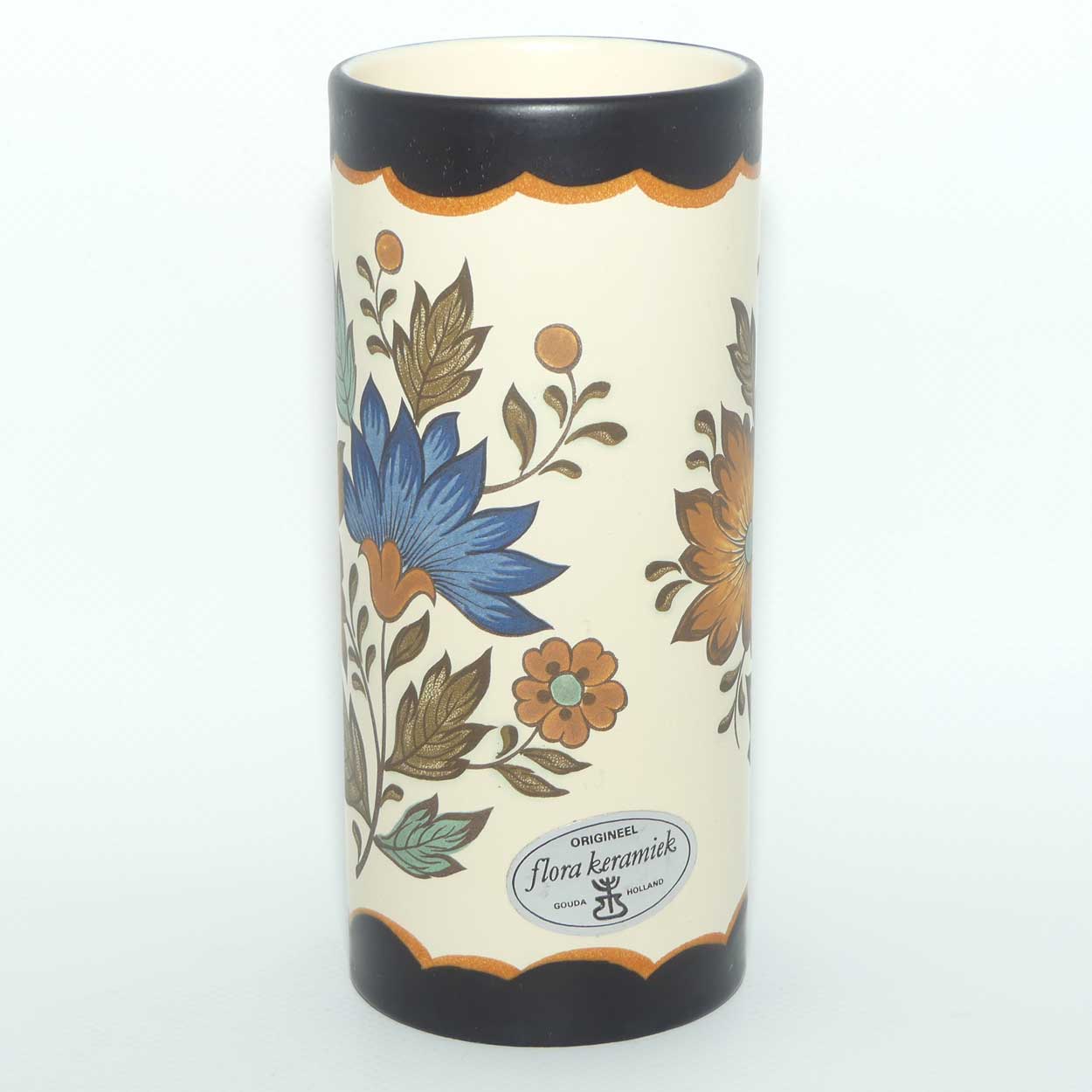
Gouda
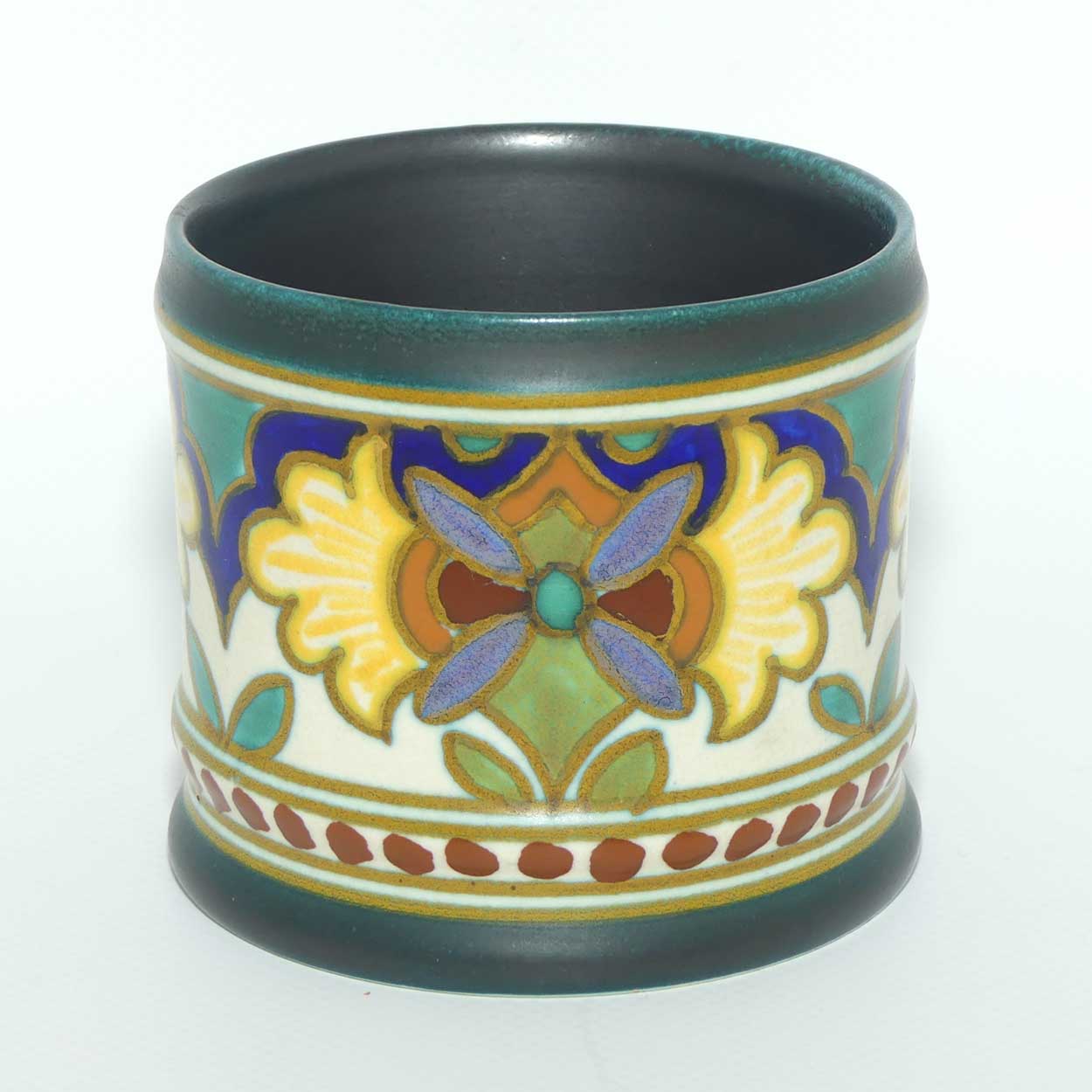
Gouda Pottery Holland Flora pattern cylindrical vase | original label intact
Sale price$ 75.00 AUD
In stock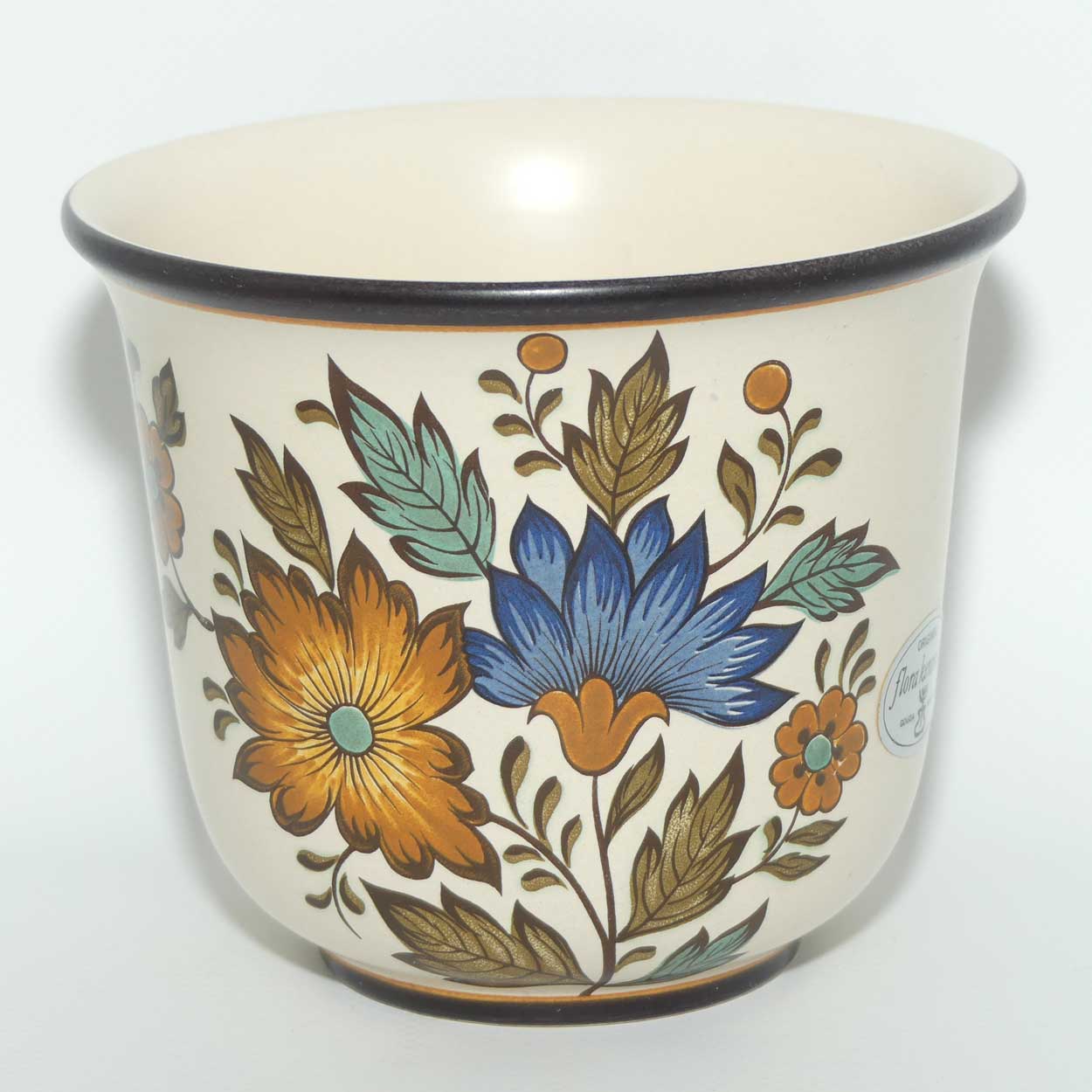
Gouda
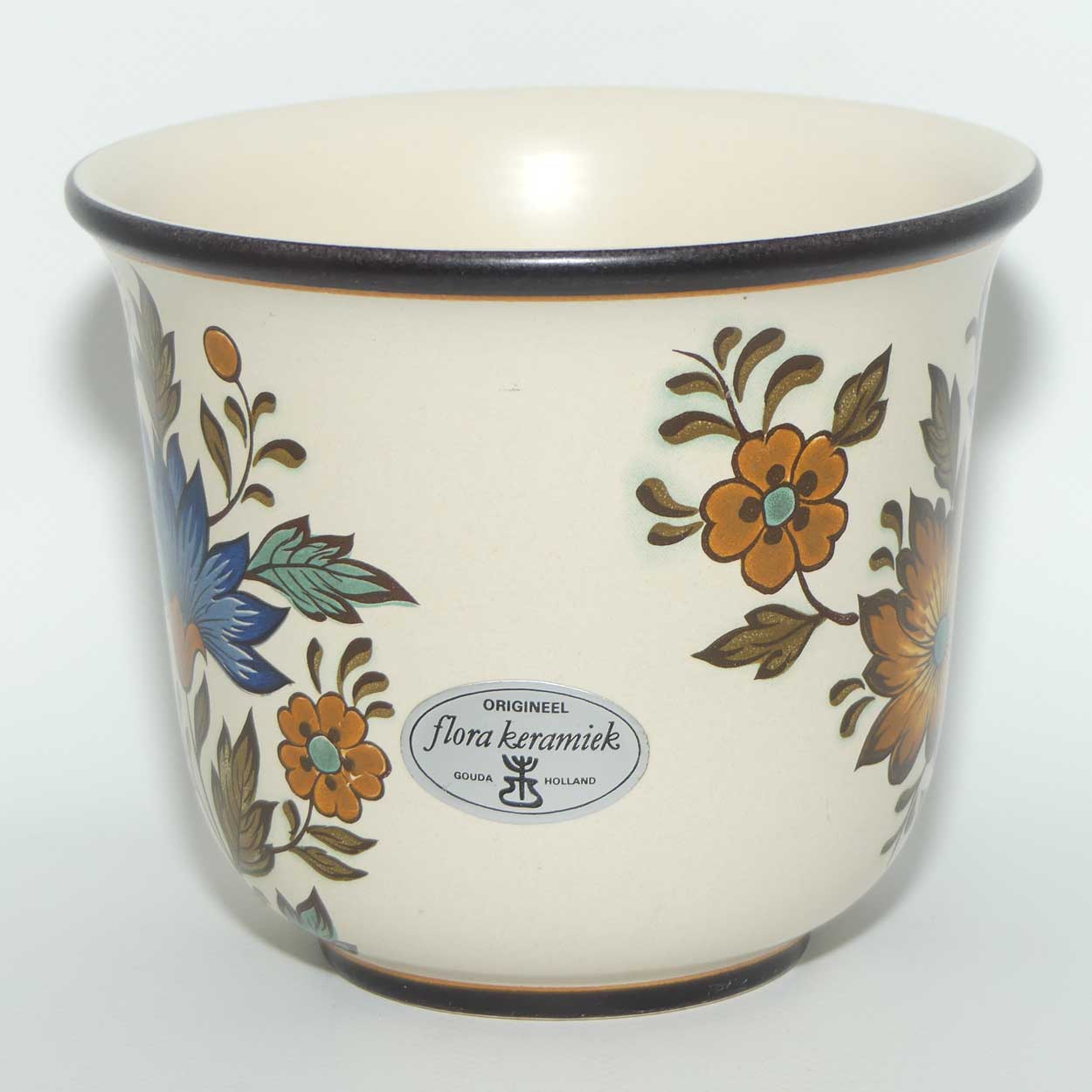
Gouda Pottery Holland Flora pattern small planter | original label intact
Sale price$ 90.00 AUD
In stock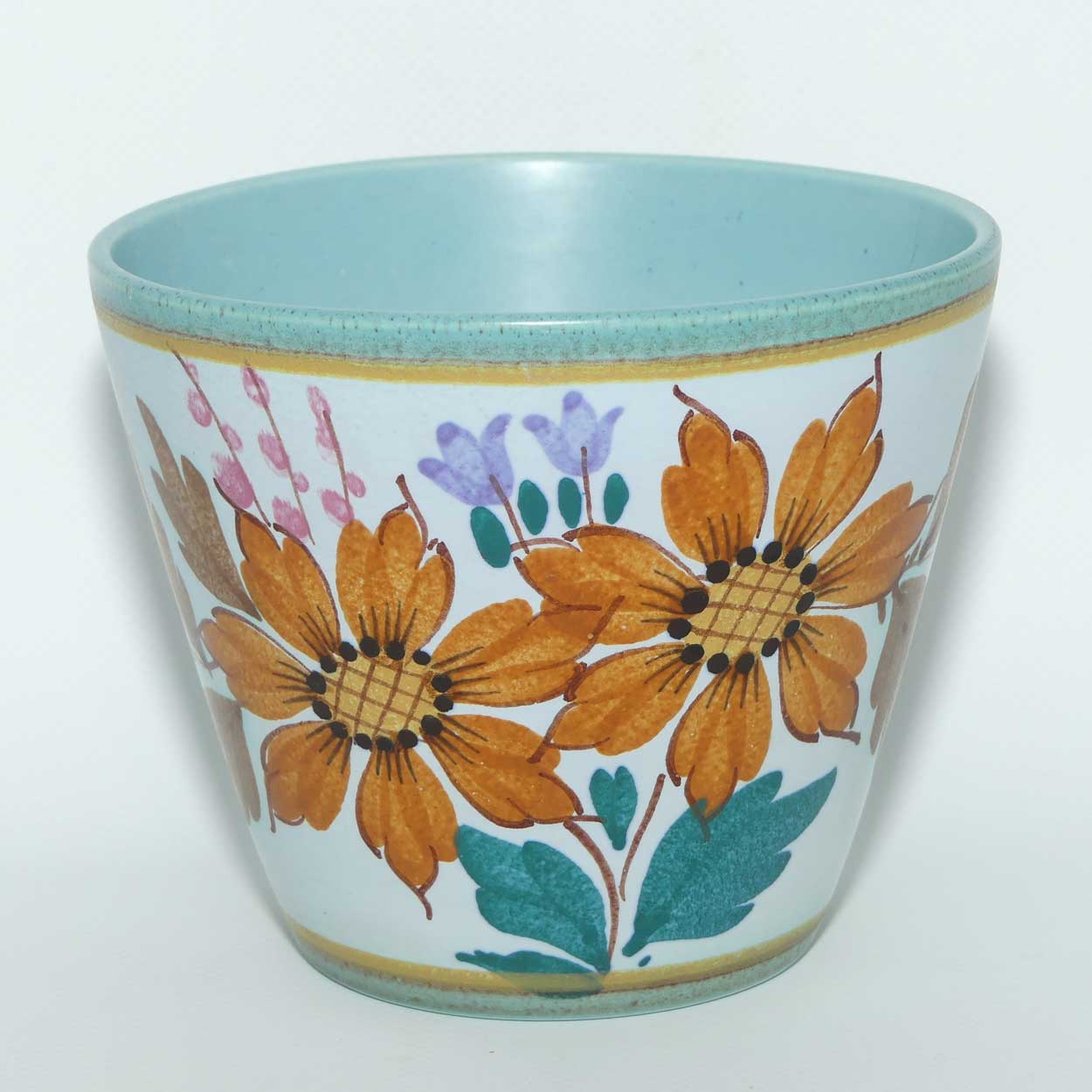
Gouda
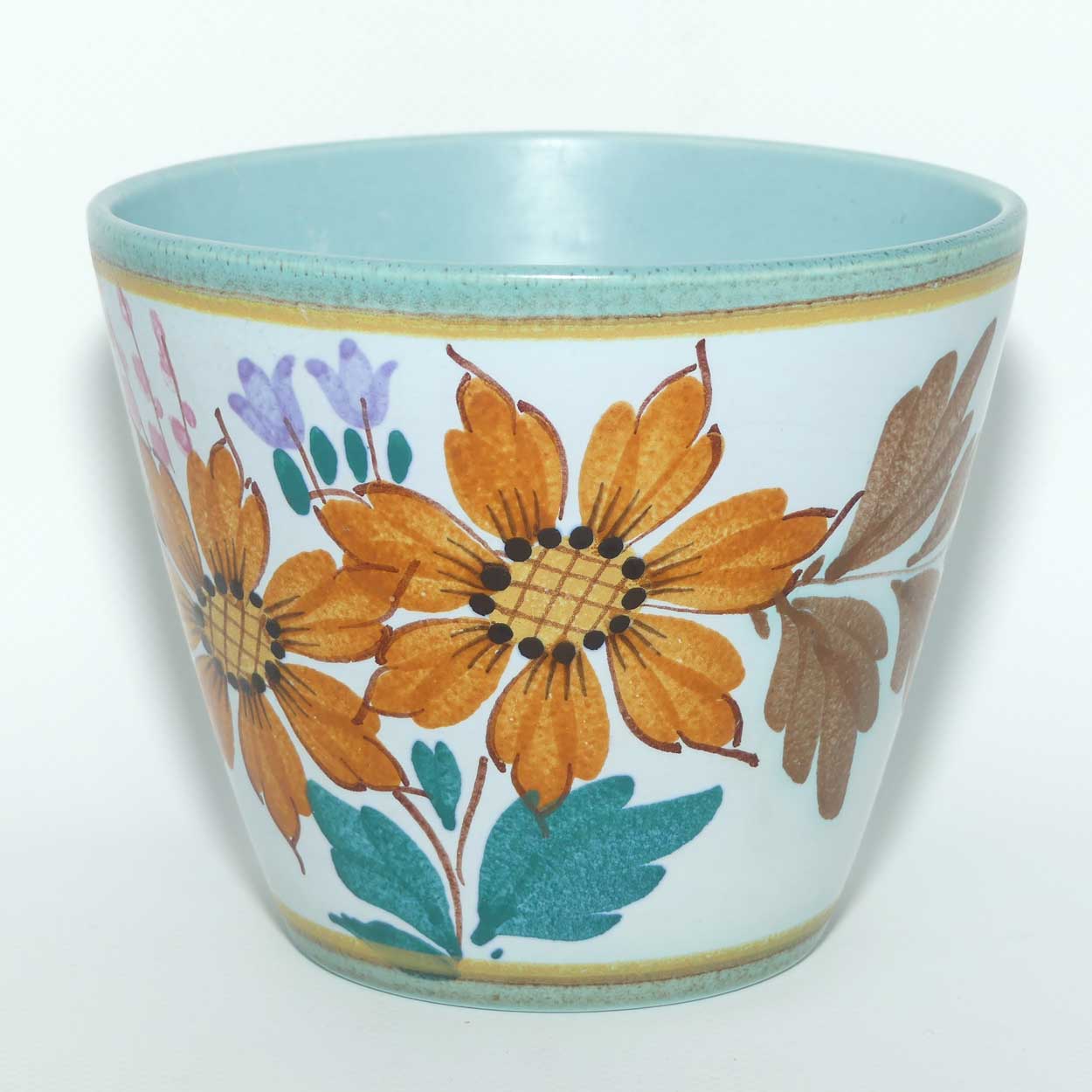
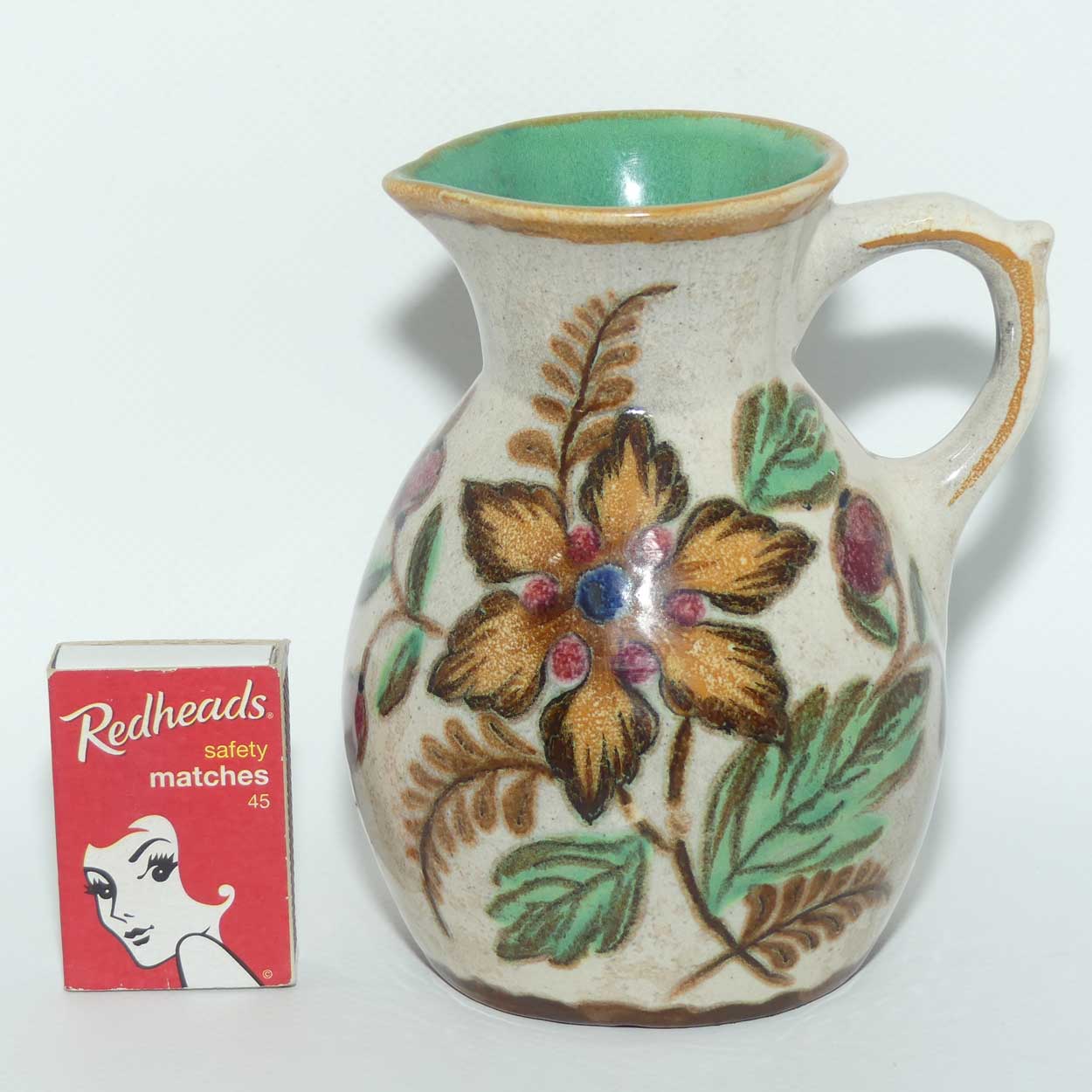
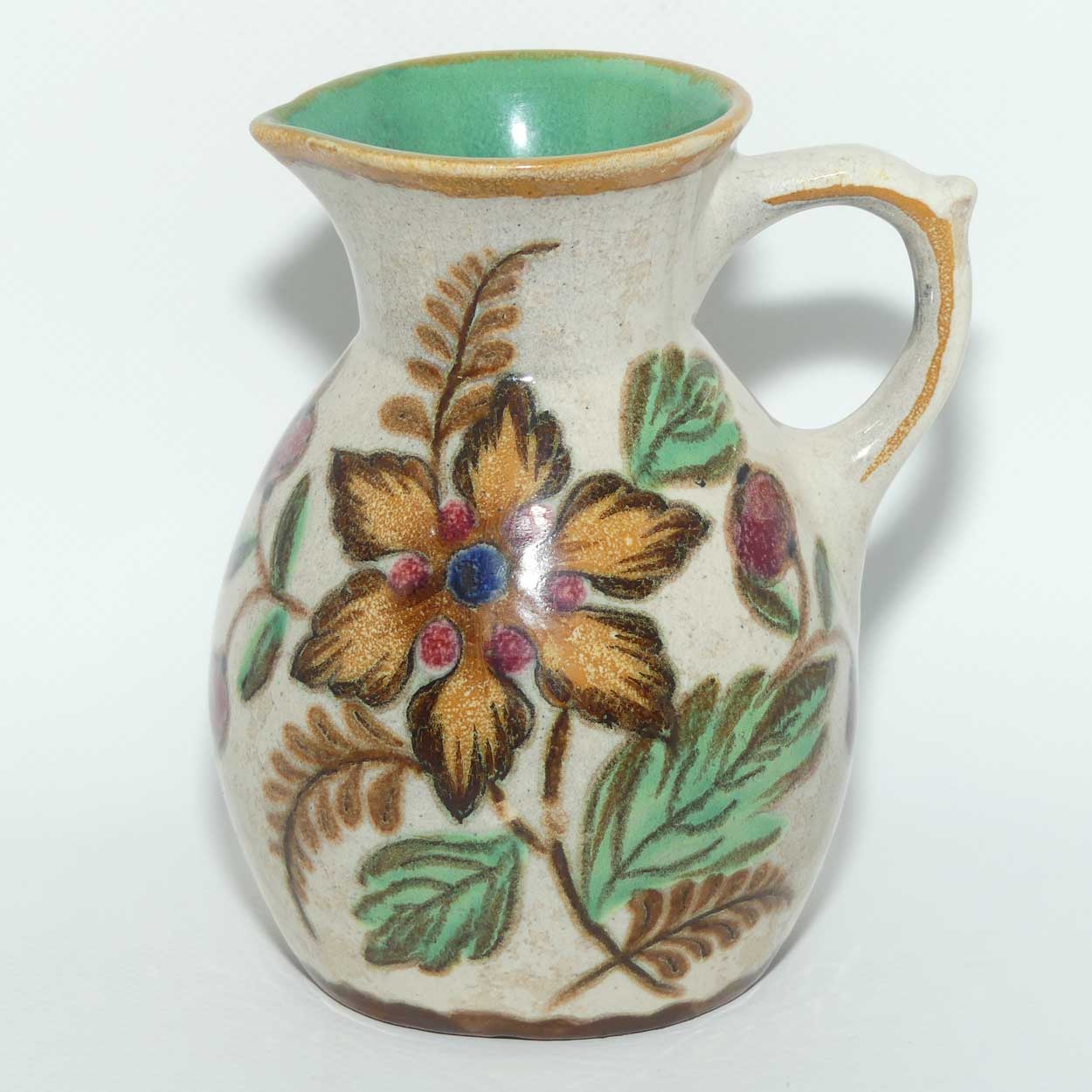
Gouda Pottery Holland Flora pattern small planter | Aqua interior
Sale price$ 75.00 AUD
In stock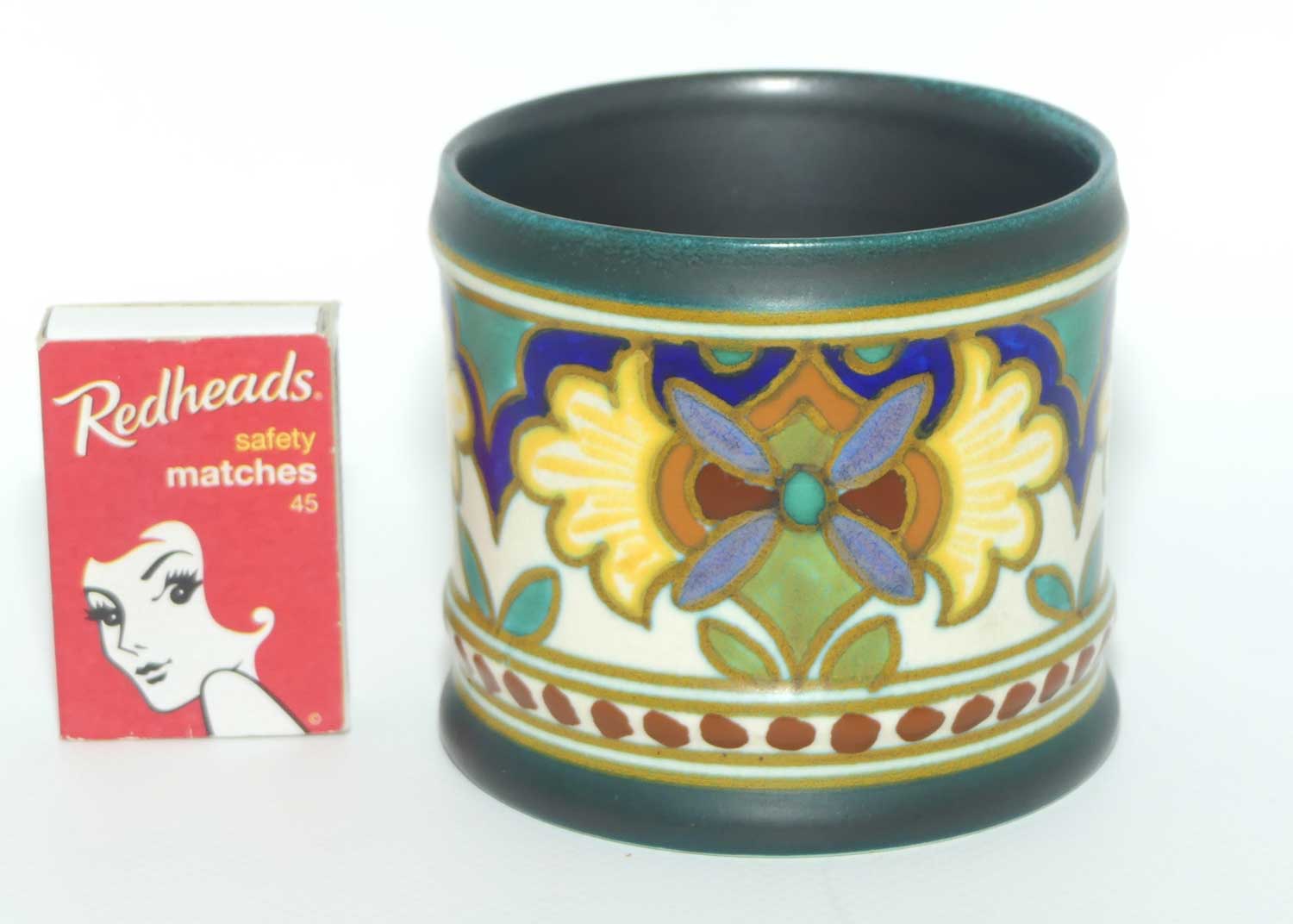
Gouda
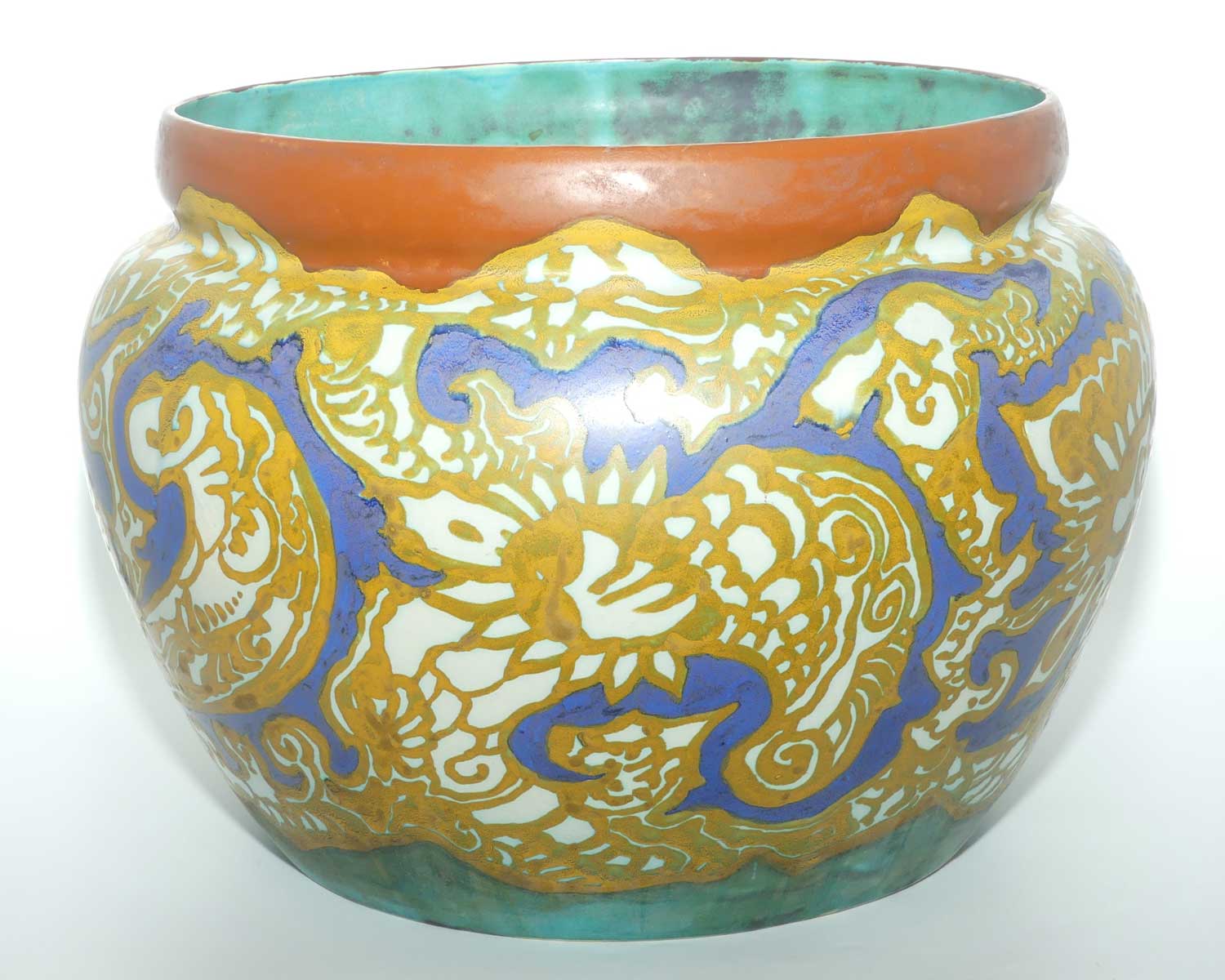
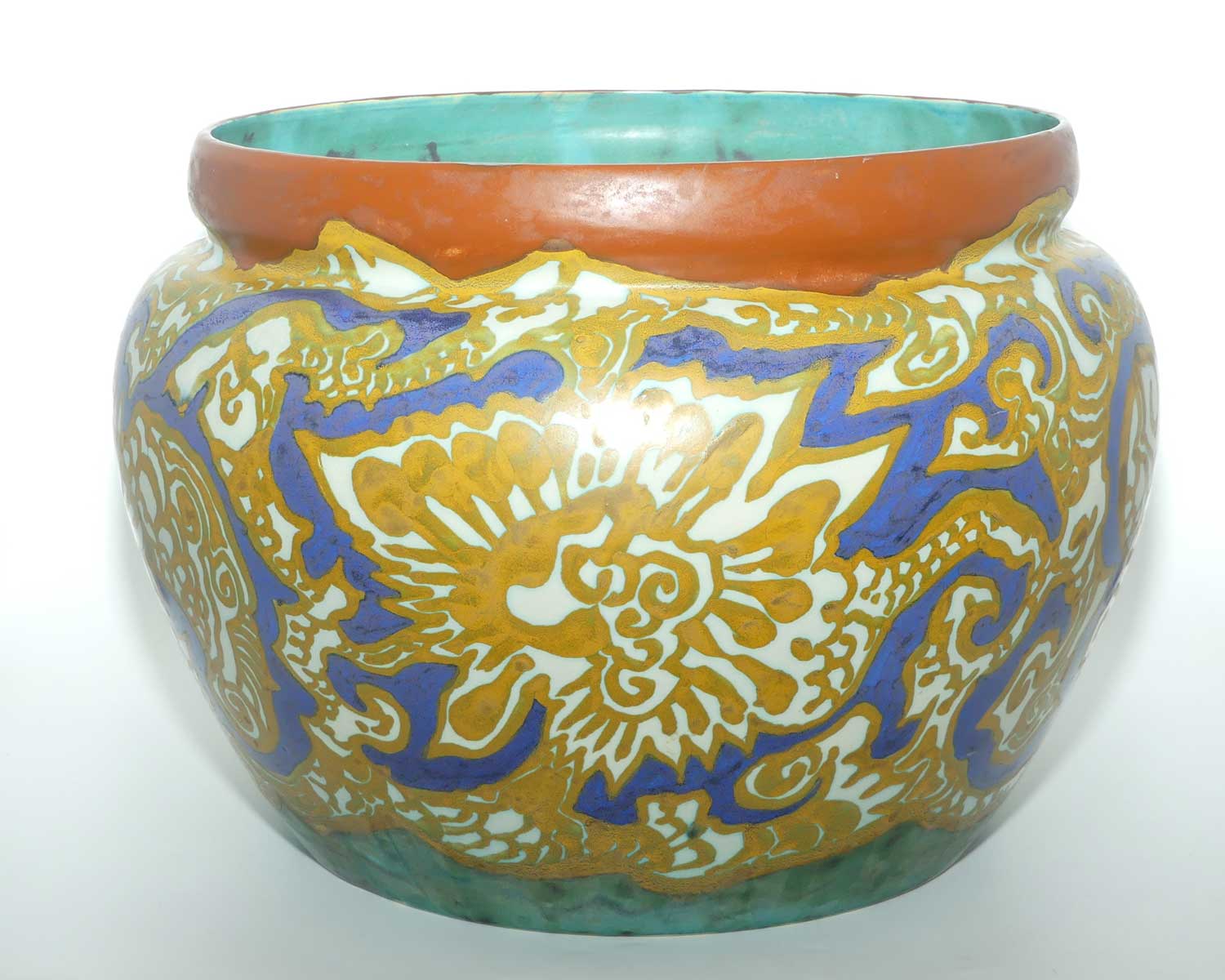
Gouda Zuid Holland very large Jugendstil jardiniere signed Henri Breetvelt
Sale price$ 3,500.00 AUD
In stock